


The Unexpected Cost of Binge-Watching
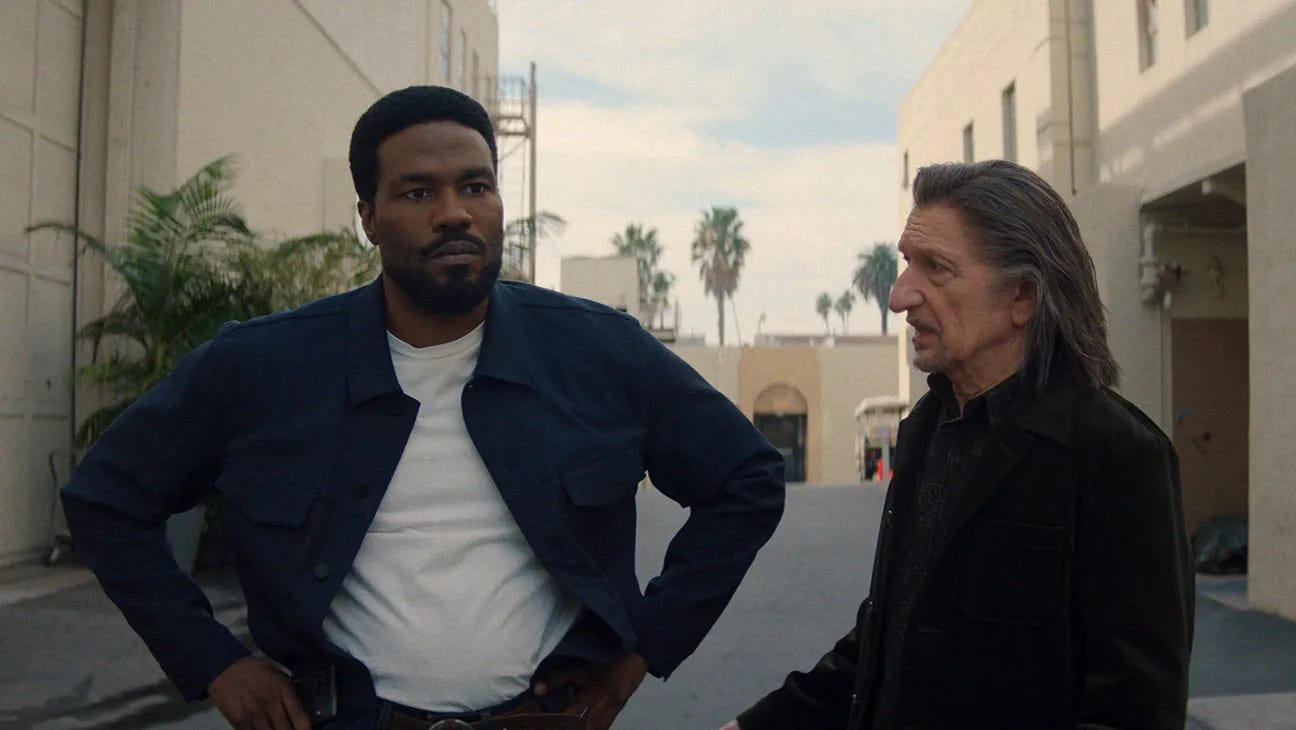
Another show that debuted at number 1 was cancelled after just one season over at Peacock.
The Miami-set crime drama, M.I.A., hit the streaming service in May at number one, with NBC airing a special broadcast of the pilot episode to reach an even broader audience.
But for reasons that have not yet been disclosed by Peacock, the series says goodbye after just one season.
This brings us back to a thought that’s been on our minds for a while:
Is the binge model killing TV shows?
To be fair, this piece isn’t an article that bashes the binge model, as it solved a very real consumer frustration.
The binge model allowed audiences to gain answers to their burning questions much sooner while eliminating the need to structure their lives around a weekly network schedule.
But this high level of convenience may have come at a great cost.
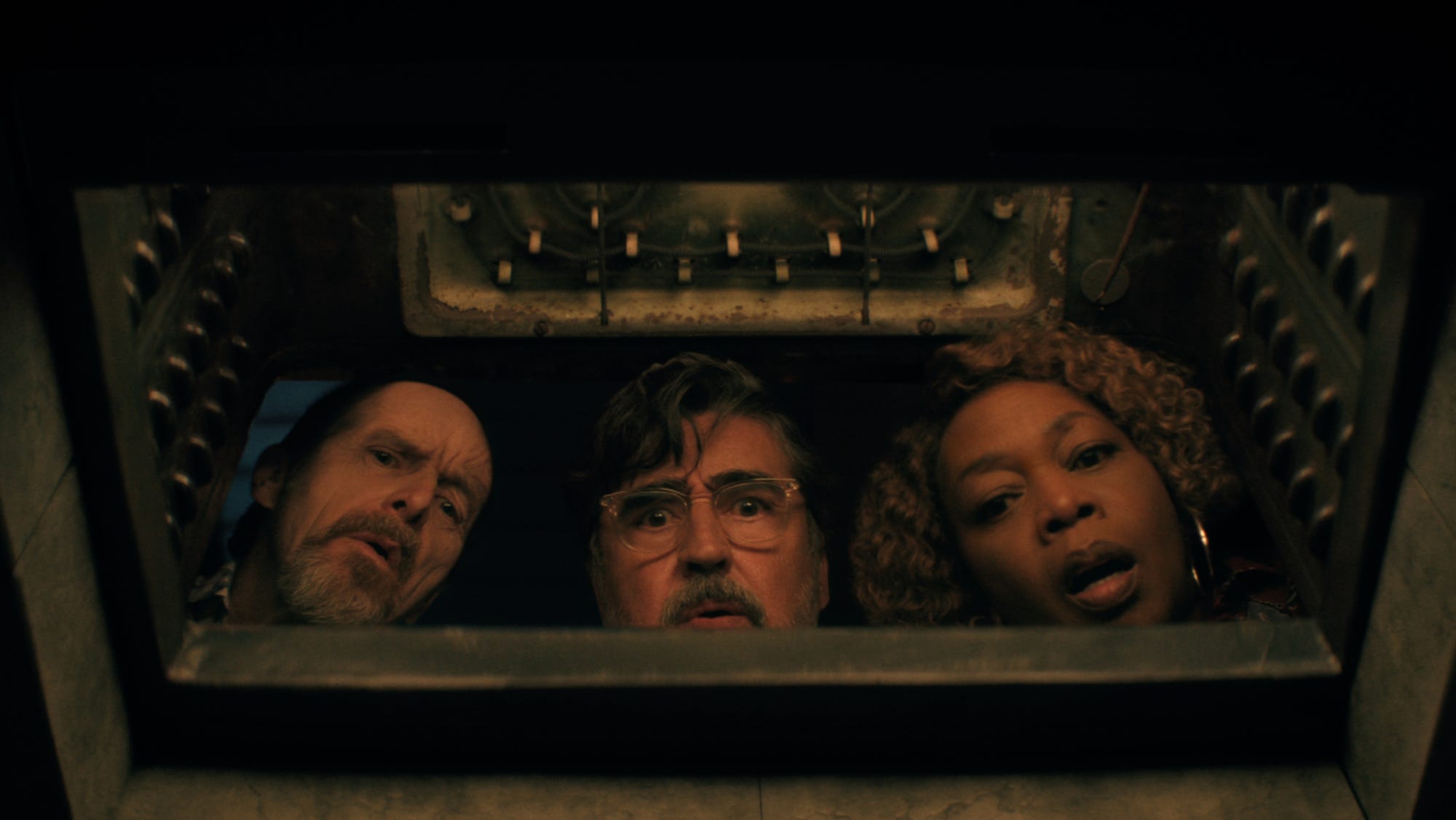
What seemed like a novel idea when Netflix introduced streaming in January 2007 now seems like the very model that threatens television’s ability to sustain itself.
Recent data has reported what audiences have already been screaming: waits longer than one and a half years between shows can contribute to drastic declines in viewership for a second season.
The binge model thus potentially compounds the issue by compressing the amount of time audiences have with the show in the first place.
Additionally, the model not only places pressure on a show to produce a financial return like that of a traditional series, but it also puts pressure on the audience to sustain the show’s popularity even after the final episode ends.
When a show is over, there’s only one feeling that remains:
Then the audience diverts its attention to the next thing, then the next, potentially diminishing the cultural momentum of a show that may not return for another year and a half—or at all.
How is this a fair model for both the production and the consumer?
Which brings our attention to the traditional weekly release TV model.
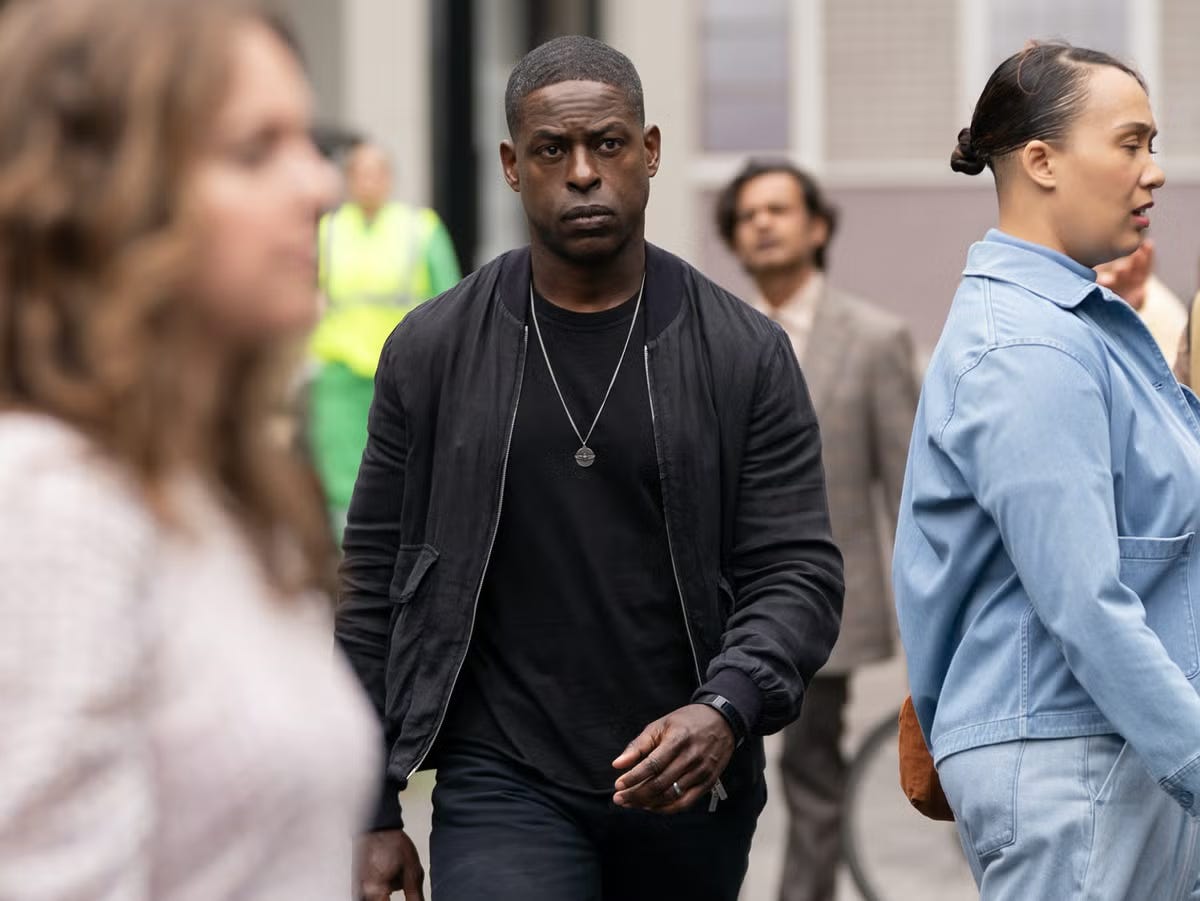
Will the New Wave of TV Survive Digital Evolution?
Weekly releases, while not providing instant answers and viewer gratification, allow audiences to be a marketing tool for programs.
Word of mouth.
Social media conversations.
Anticipation.
All human experiences that help increase viewership week-to-week, improving a production’s chances of prolonged success and staying power.
An additional advantage of the traditional model is advertising and its ability to generate revenue while audiences watch.
While commercials don’t remove the financial risk of renewing a series, they help provide an additional stream of revenue that helps offset the costs of producing a series.
Conversely, subscription-first streaming has historically had a different problem.
Expensive shows must justify their cost in part through the streaming platform’s ability to attract, engage, and retain subscribers—which can make creating subsequent seasons increasingly difficult to justify as production costs rise.
And although streaming platforms have recognized the value in advertising as another source of revenue, the shift creates tensions with consumers who consistently face subscription price hikes.
Consumers are now asked to either pay more for an ad-free experience or accept lower-priced plans for something streaming originally helped them escape.
This new model erodes some of the value proposition that originally distinguished streaming platforms from traditional television.
Thus, while advertising has now given streaming platforms another way to monetize viewership, it still doesn’t solve the problem of generating enough revenue and controlling content costs across all shows to produce new ones and renew existing ones.
What is the solution?
Do we go back to traditional cable and network TV? Can streaming platforms successfully integrate a hybrid method of weekly releases while still seeing an increase in audience acquisition and retention?
Some shows demonstrate how the hybrid model can succeed, such as Paradise, Reasonable Doubt, and The Gilded Age, to name a few.
But shows like Abbott Elementary also demonstrate the continued viability of the traditional model.
Where is the fine line where shows can survive a one- or two-season life cycle on streaming platforms while still remaining financially justifiable?
While streaming platforms grapple with the same question, audiences are now in a position to question whether it’s even worth it to continue paying for services that consistently cancel their favorite shows.
Unfortunately, as subscription prices continue to rise, advertisements return, and wait times between seasons grow longer, audiences may have a harder time deciding whether continuing to stream is even worth it.
What do you think? Is binge-watching hurting TV or making it better? Subscribe to So There’s That for more conversations surrounding the entertainment industry and the stories shaping how we consume them.
Shows That Didn’t Survive Season One
Kivonshe—founder of So There’s That—is a film & TV critic who explores compelling storytelling, fandom relationships, character psychology, and the impact of entertainment media through film reviews, episodic recaps, and in-depth theme analysis.
What others are saying about binge-watching…
1© Kivonshe | So There’s That
Original editorial commentary on film and television. All rights reserved. Reproduction or redistribution without attribution is not permitted.