



Prime Video goes back to the past with its newest series, Elle. But don’t worry, Elle doesn’t waste time trying to recreate Legally Blonde. Instead, across all eight episodes, it makes it a point to capture the bright energy, infectious optimism, and unwavering heart that made Elle Woods one of the most beloved characters in pop culture.
Created by Laura Kittrell, season one follows Elle Woods in high school “as we learn about the life experiences that shaped her into the iconic young woman we came to know and love in the first Legally Blonde film.”
The series stars Lexi Minetree, June Diane Raphael, Tom Everett Scott, Gabrielle Policano, Jacob Moskovitz, Chandler Kinney, Zac Looker, and the late James Van Der Beek.
Lexi Minetree Embodies the Heart and Soul of Elle Woods
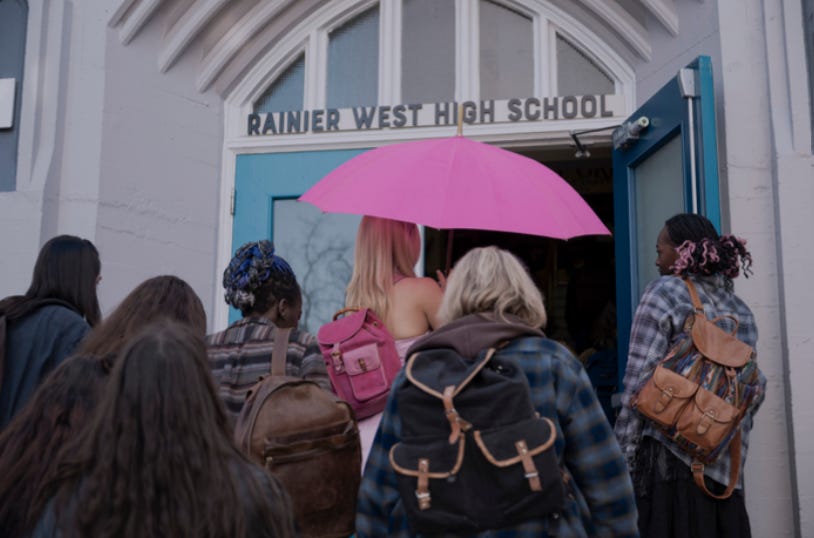
Set in 1995, the prequel follows a teen Elle Woods (Lexi Minetree) as she’s uprooted from Bel-Air and dropped into the gloomy, overcast-filled atmosphere of Seattle. Taken away from all her friends and all she knows—in a school that immediately judges her pink outfits and bubbly personality, Elle is forced to ask herself a question she’s never once considered:
Can someone remain true to themselves when the world fights for them to be someone else?
Lexi does an incredible job embodying the innocence and relentless, yet almost daft, positivity fans love about Elle. And across the series, audiences navigate high school life with her as her curiosity—which occasionally leans into harmless nosiness—becomes her greatest strength, despite others viewing it as an annoyance. Although her good intentions don’t always yield the results she imagines, Elle continually reminds viewers that childlike optimism and intelligence aren’t necessarily mutually exclusive.
This is where the series begins to expand the Elle Woods we know and love.
Elle’s candid disposition and bright pink wardrobe cause others to believe she lacks intelligence, even though she’s just as smart as her peers and equally prone to making the same mistakes.
But rather than set out to prove she’s smarter than people give her credit for, Elle proves she’s exactly who she’s meant to be.
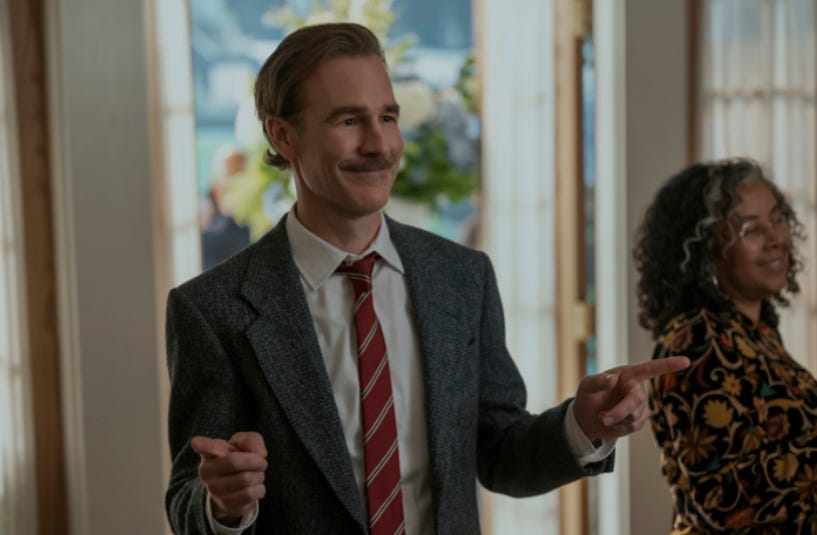
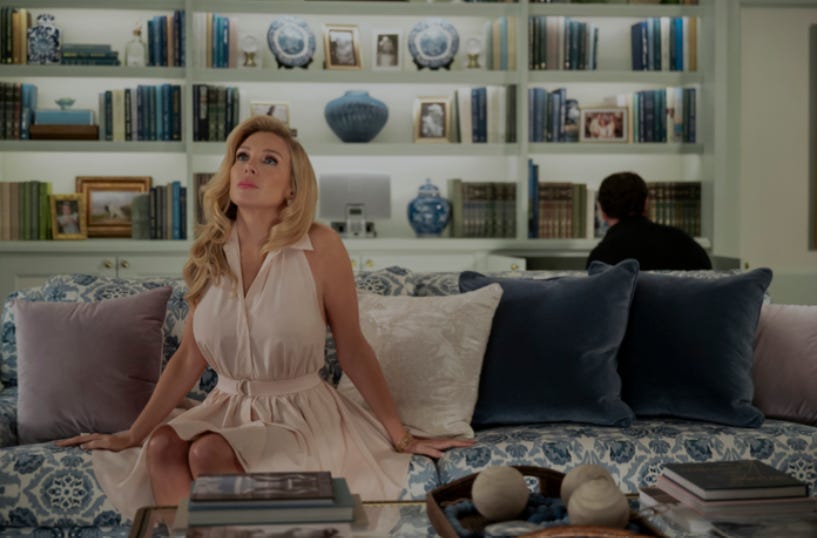
Growing Up Doesn’t Mean Losing Sight of Yourself
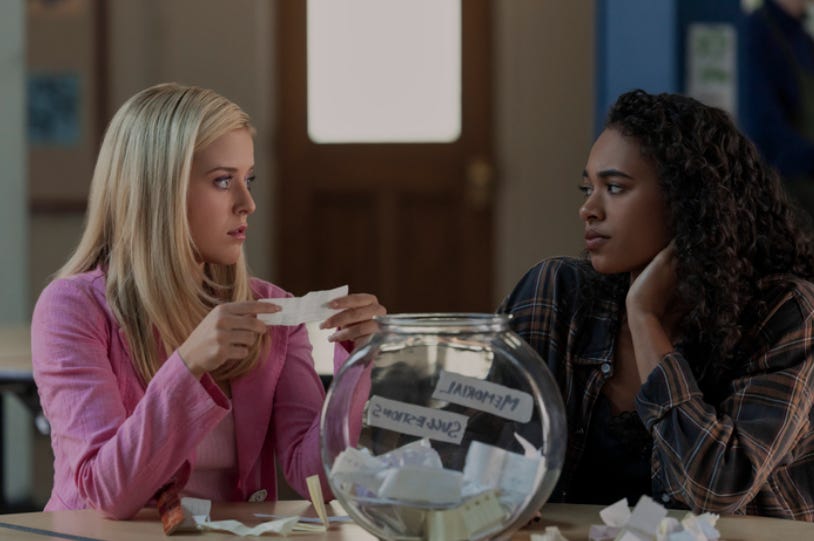
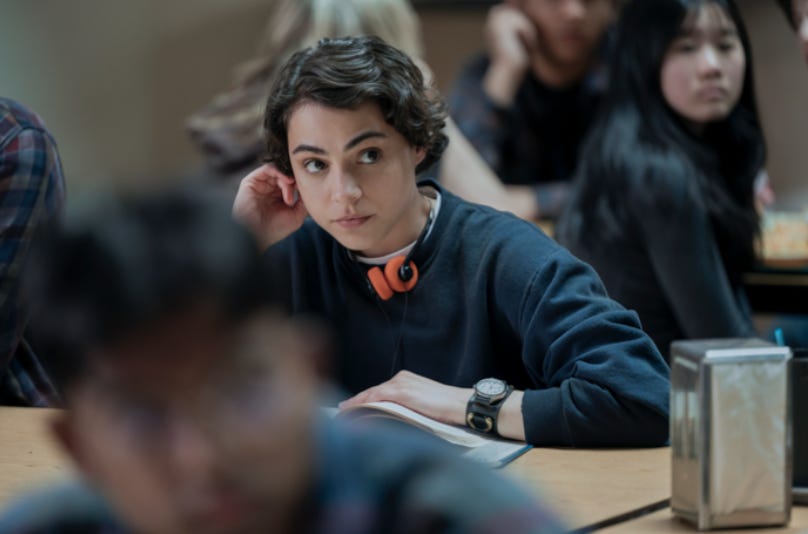
As each episode unfolds, the series quickly goes from introducing Elle in a new way to allowing the audience to discover her in a new way. Her friendships, the backstabbing nature of high school, getting involved with social injustices, and the growing pains of starting your life over.
But in true Elle fashion, every setback is an opportunity to learn and apply those lessons moving forward to make a positive impact across all areas of her life without sacrificing the parts of herself that remain uninfluenced by cynicism.
However, there is one element of Elle that misses the mark in a series that’s set in the mid-1990s:
The wardrobe.
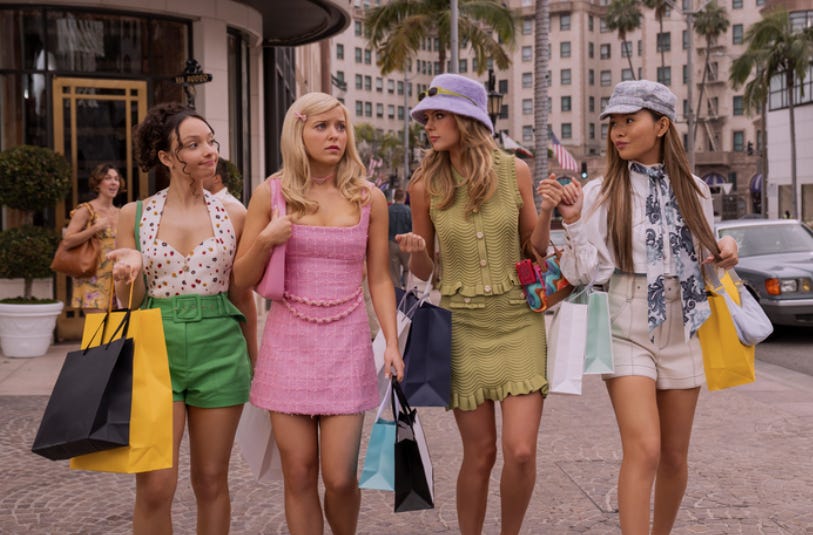
While the season takes place in 1995, each outfit felt more like a modern interpretation of 90s fashion rather than creating the feeling that audiences have somehow truly traveled back in time to one of the most fashionable decades of our time.
Most of the atmosphere—lighting, wardrobe, and especially hair choices—felt more like an early-2000s teen drama than the colorful, stylish, and trendsetting era of the 90s. But once you move beyond the “almost there” feeling for nostalgia, the series finds its real footing.
And at its core, Elle is about identity.
Bright, charming, and effortlessly optimistic, Elle proves there’s still plenty of story to tell long before Harvard Law begins. And that story explores the complicated relationship between who others expect you to be and who you’re discovering yourself to be—even when those two identities don’t always align.
Elle premieres all eight episodes Wednesday, July 1, only on Prime Video. Check out the trailer below.
More Young Adult Series to Explore
Kivonshe—founder of So There’s That—is a film & TV critic who explores compelling storytelling, fandom relationships, character psychology, and the impact of entertainment media through film reviews, episodic recaps, and in-depth theme analysis.