



Love Island USA Season 8 premiered Tuesday, June 2, introducing viewers to a new group of Islanders looking for connection, companionship, and perhaps something more.
This season’s cast includes Aniya Harvey, Beatriz Hatz, Bryce Dettloff, Gabriel Vasconcelos, KC Chandler, Kenzie Annis, Melanie Moreno, Sean Reifel, Sincere Rhea, Trinity Tatum, Vasana Montgomery, and Zach Georgiou, with Ariana Madix returning as host.
And while a reality television show involving people under 30 looking for love isn’t new, Love Island continues to occupy a unique space within the genre because it understands something fundamental about human behavior:
People are endlessly fascinated by watching other people try to figure out relationships.

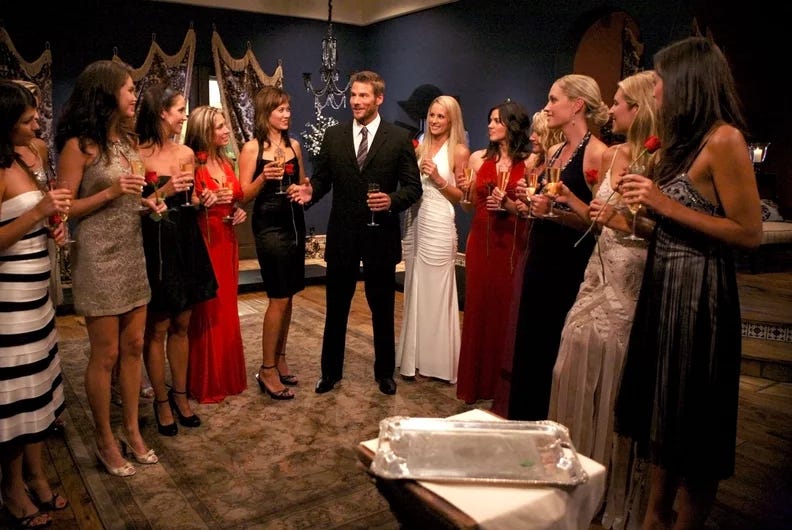
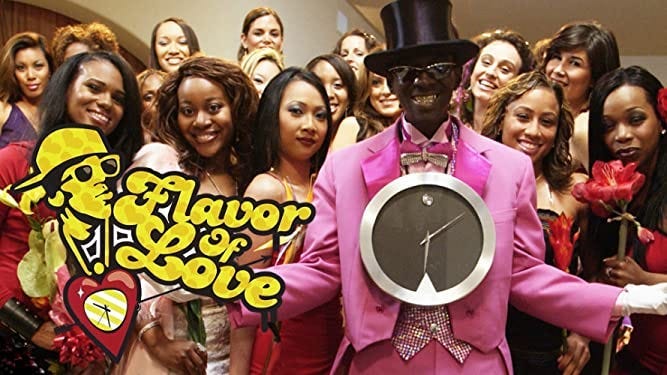

The Evolution of Dating as Entertainment
Beginning in the early 2000s, the birth of reality television helped fill the gap created by writers’ strikes, ushering in a wave of programming that forever changed how audiences interact with television.
The genre created a new celebrity, birthed careers, fanned the flames of controversy, and sparked cultural conversations that shape the way we consume entertainment today.
Now, decades later, Love Island USA remains one of the strongest examples of why the format continues to work.
Following the wild drama and success of Season 7—which introduced many viewers to Olandria Carthen—expectations are understandably high for what Season 8 Islanders have to offer when it comes to authenticity, integrity, and intent.
Because while viewers enjoy the romance and drama, what they’re really looking for is sincerity…ok, and drama!
But between the online commentary and the growing disinterest in the same rinse-and-repeat contestants looking for fifteen minutes of fame, viewers increasingly want to believe someone is there for the right reasons.
Even if they do know better.

Why the Format Still Works
In the premiere, the Islanders explore one another through casual conversation, first impressions, and intimate icebreakers before diving right into the reason we’re all here:
Finding love.
The men and women line up on one side, and the ladies choose who they want to couple up with based on one of three, or all, reasons: looks, chemistry, or true compatibility.
This dynamic shifts the power of choice from the men to the women, a move not often seen in previous dating shows. In fact, part of the lure of Love Island is that it places men in the very same emotional positions that women often face in the real world: fear of rejection, uncertainty, and anxious hope of being chosen.
But what this also does is level the playing field.
No amount of bravado, over-confidence, or suave facade can mask the fact that the male Islanders crave connection and companionship just as deeply as the women do.
Although the excitement of being chosen is electric and palpable, the feeling of an empty space on the other side of the door creates an immediate vacuum in the atmosphere.
And, unfortunately, this is where the game begins.

The Dating Fantasy We All Crave
Love Island USA is ultimately a high-pressure psychological experiment that turns modern dating into a game. Though, if we’re being honest, sometimes real life feels like the game too.
The pressure-cooker environment forces contestants through years’ worth of emotional situations in only six weeks.
Romance develops at an accelerated pace.
Conflict arrives quickly.
And decisions carry immediate, and sometimes harmful, consequences.
All of this unfolds as the idea of love and romance directly competes with the possibility of winning a cash prize at the end—and the audience decides who wins.
And though the real-time voting literally places the power of winning and losing in the palms of our hands, what keeps the audience coming back season after season are the very things many claim not to like.
Unattainable beauty standards, the unconscious tendency to model one’s own life after what’s seen on television, and the mistake of confusing instant chemistry with long-term compatibility.
We hate it and we hate to love it.
Yet audiences continue to watch and interact with the series because many of them recognize pieces of their own experiences reflected back at them.
Beneath the swimsuits, challenges, “bombshell” entries, and dramatic recouplings lie the lingering question audience members desperately want answered:
How do you know if someone is genuinely right for you?
Though viewers may not want the added pressure, pace, or spectacle that Love Island brings, the emotional reality of the situation makes the love something to root for.
That is why audiences continue to watch.
Not because the experiment has all the answers.
But because eight seasons later, people are still trying to answer the same question.
Stream Love Island USA now on Peacock. New episodes air every day, except Wednesday, at 9 p.m. ET.
Kivonshe—founder of So There’s That—is a film & TV critic who explores compelling storytelling, fandom relationships, character psychology, and the impact of entertainment media through film reviews, episodic recaps, and in-depth theme analysis.