



Paul Thomas Anderson enlisted some of the biggest movie stars in the world to tell a gripping story about revolution, equity, extremism, and social acceptance. Leonardo DiCaprio leads an ensemble cast that works together to free the less fortunate from government control, corruption, and injustice. One Battle After Another also stars Sean Penn, Regina Hall, Benicio del Toro, Teyana Taylor, and newcomer Chase Infiniti. While on the surface this film aims to spark difficult conversations about extremism and government-sanctioned terrorism, it also peels back the layers on love and how far you will go to protect it.


When Love Becomes Justification for Unchecked Violence
Pat (DiCaprio) and Perfidia (Taylor) lead an American revolutionary group known as “The French 75.” Their love for one another is as explosive and toxic as it is righteous and just—resulting in the birth of their daughter Willa (Infiniti) and going underground to protect her.
What starts out as a film rooted in a group of self-proclaimed revolutionaries who simply want to save the world, one chaotic disruption at a time, quickly turns into a story about true sacrifice—sacrifice to the cause, sacrifice to your team, and sacrifice for your family.
Throughout its nearly three-hour runtime, One Battle After Another carefully dismantles the mental constructs of the behaviors we attribute to protagonists and antagonists. Instead, it invites you into a tale where both good and evil reside—taking up the same space at the same time.
The question the film then asks:
Does “the cause,” on either side, justify acts of violence, or are they an excuse to live out our darkest needs?
The Revolution Becomes Willa’s Inheritance
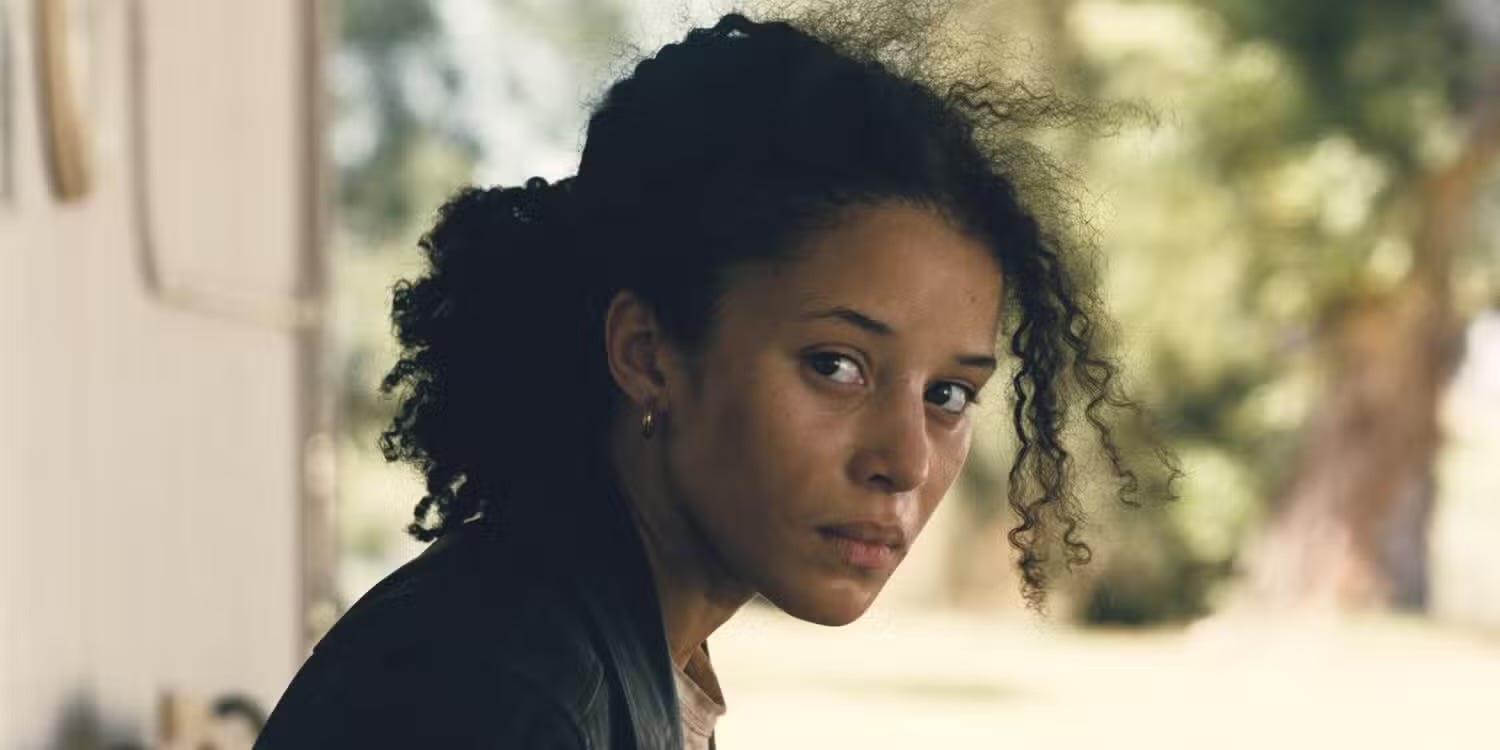
If Pat and Perfidia represent chaos, then Willa represents its inheritance—created in love and chaos and lived a life of veiled normality while surrounded by the very structure in which she was conceived.
Chase Infiniti’s ability to hold Willa’s circumstances close to the vest while delivering a micro-dosing performance of teen angst, anger, and rebellion shows just how formidable she is as a performer.
And as you watch Willa take on the sins of her parents—carrying the weight of the revolution in which she was born—her role pivots into something deeper, becoming the symbol of hope and peace for both sides.
In the end, One Battle After Another isn't interested in whether revolutions succeed or fail. It's interested in the stories people tell themselves to justify the people they become along the way.
Check out the trailer below and head to your local theater now.
Kivonshe—founder of So There’s That—is a film & TV critic who explores compelling storytelling, fandom relationships, character psychology, and the impact of entertainment media through film reviews, episodic recaps, and in-depth theme analysis.