


NOTE: This article contains spoilers. Read at your own will.
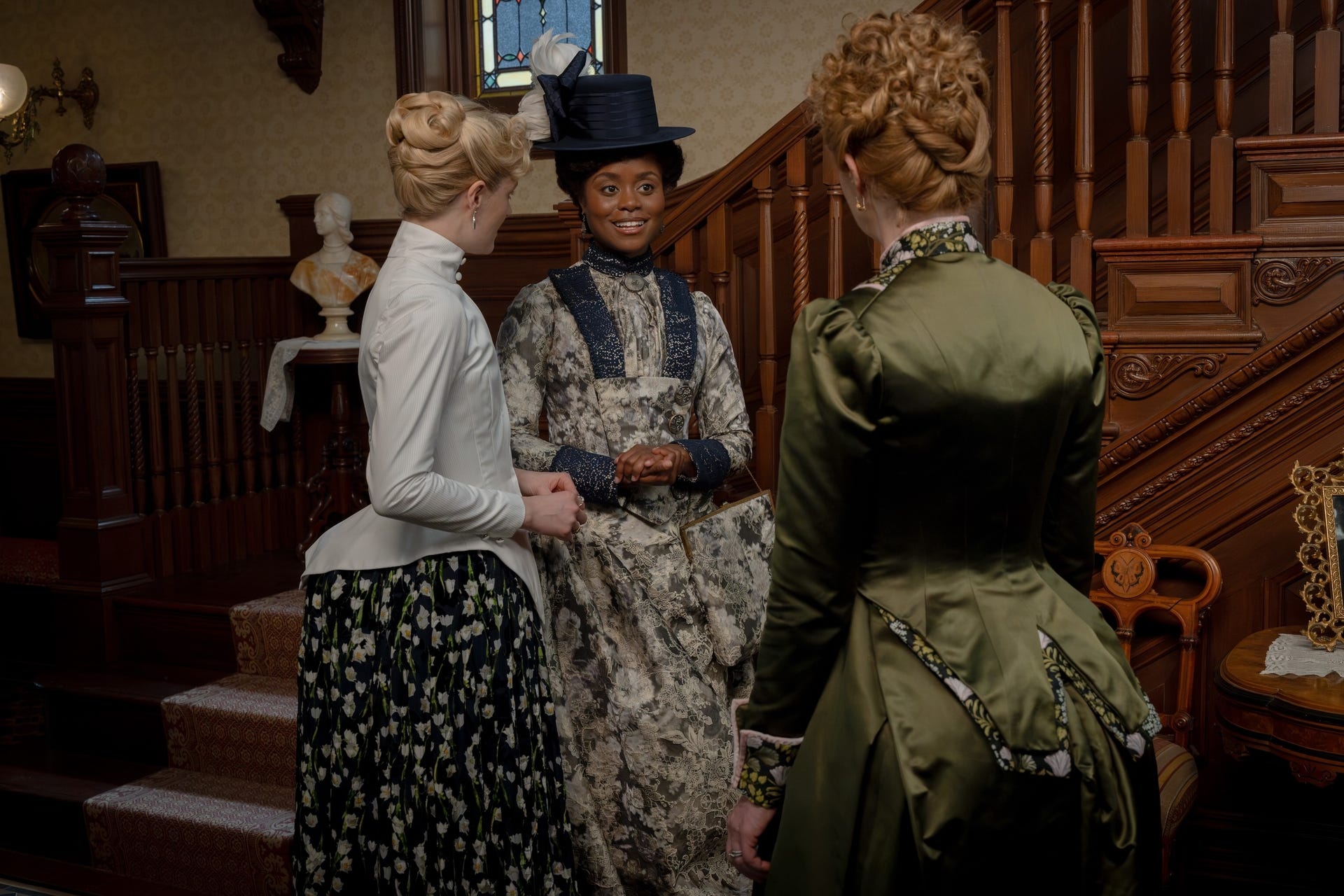
For all the beautiful gowns, extravagant parties, and carefully arranged marriages in The Gilded Age, there’s something particularly cruel about the expectations placed upon women.
Especially when it comes to motherhood.
Because in a society where a woman’s value is often measured by the children she bears, the question becomes less about what she wants and more about what everyone else expects her to provide.
And in “Ring the Bells,” Gladys, Sara, and Peggy find themselves confronting three very different versions of that reality.
One has just become a mother.
Another views motherhood through the obligations of lineage.
And the third is preparing for a marriage that may demand more from her than she’s ready to give.
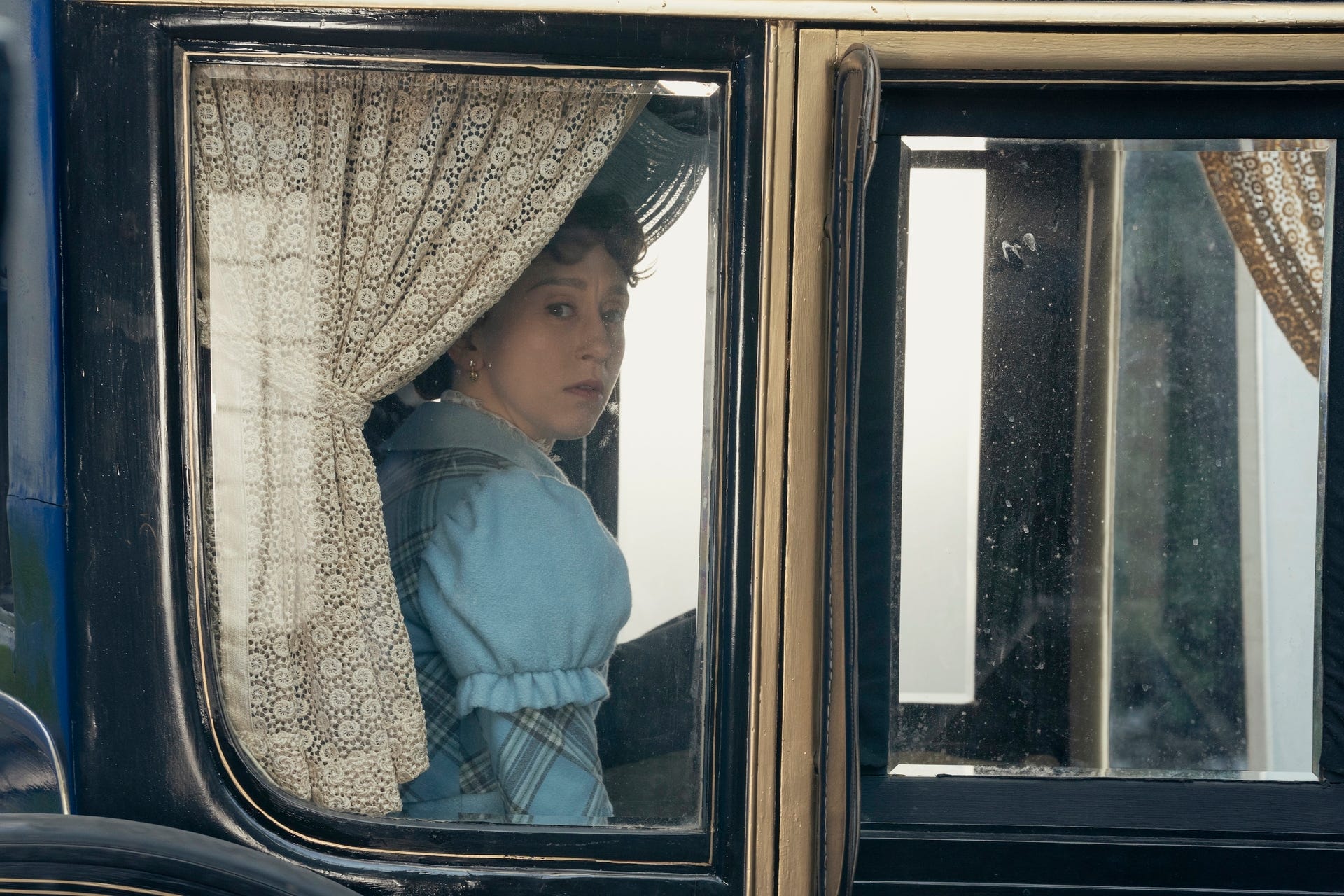
Gladys: When Motherhood Comes at a Cost
Gladys Russell has spent much of her life fighting for the freedom to make her own choices.
And now, having entered a marriage that offers the possibility of genuine affection, she’s beginning a new chapter as a mother.
But a moment that should be one of the happiest of Gladys’ life almost becomes her last, as a breech birth forces Hector to consider a horrifying outcome.
Save the mother or save the child.
Sara voices her unsolicited decision to choose the heir, but Hector chooses his wife.
And Bertha—no longer in the position to make choices for her daughter—is reminded of society’s unfortunate expectations of women.
As Gladys recovers from a near-death experience, the consequences of what it took to save her and the baby remain.
Her postpartum hemorrhaging results in the removal of her uterus, a devastating reality she has yet to discover.
The birth of her first child has also become the loss of her ability to carry another.
And while Gladys celebrates the arrival of her son, the people who love her must confront a future she doesn’t yet know has changed.
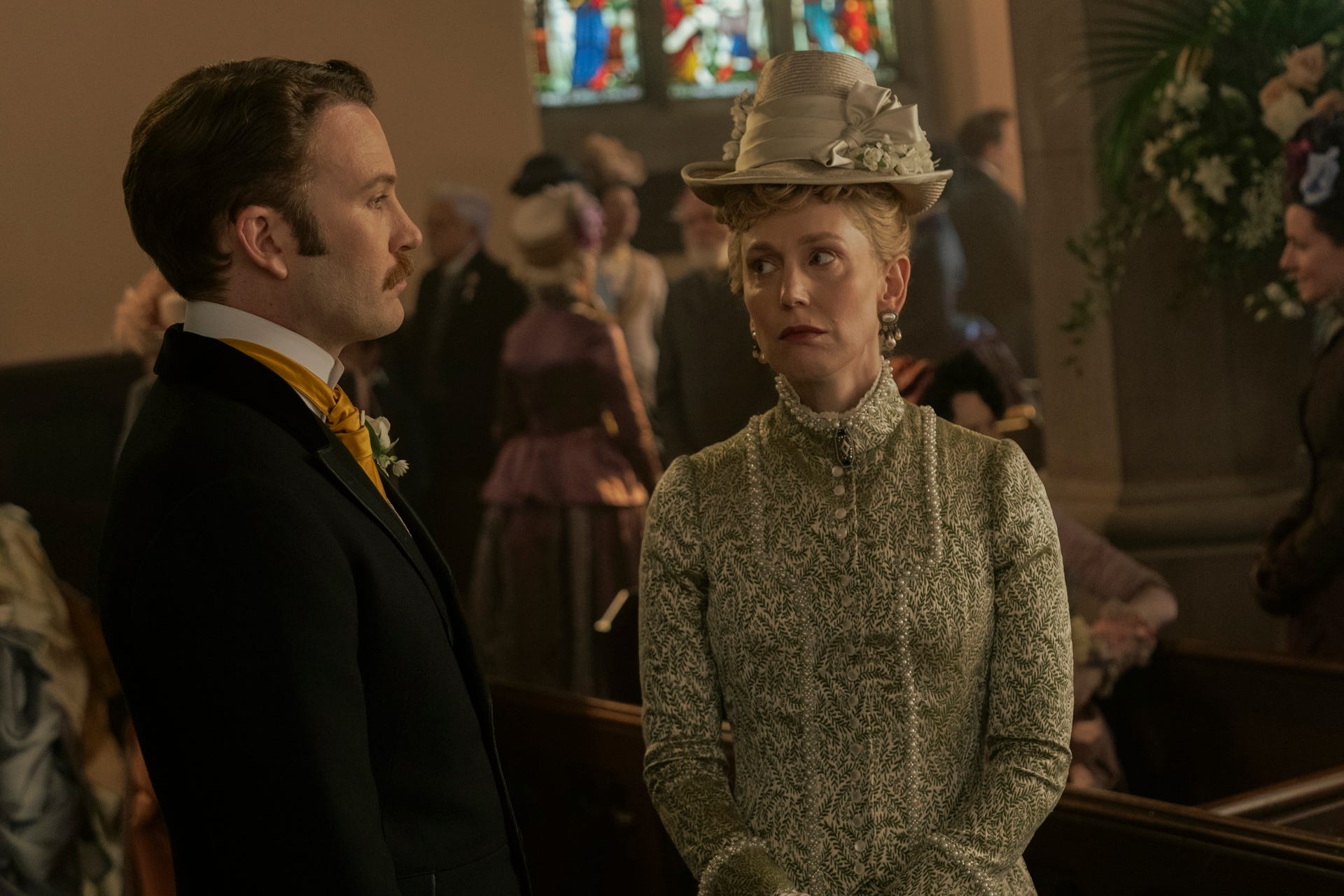
Sara: When Duty Outweighs Compassion
Sara’s presence offers an illuminating perspective on a different type of woman in society, shaped by a different set of circumstances.
Her response to Gladys’ childbirth, while disturbing, offers insight into how she views obligation and women’s service toward it.
No matter the cost, the family line must continue.
And the woman’s role within this societal structure is to fulfill the obligation, even if it costs her life.
Bertha’s confrontation with Sara about her stance positions the women—Sara, Gladys, and Bertha—in a way that reveals Sara’s potential inner turmoil.
Sara may be tired of being dutiful, but she doesn’t know any other way to be.
And Bertha reminds her of her lack of experience in a way that cuts to the core:
“And what you will NEVER understand is what it is to be a mother and to see your child’s life hanging by a thread.”
It’s a devastating blow.
Not because Sara’s decision is difficult to understand, but because that very understanding doesn’t make her decision any less cruel.
Yet, Gladys’ birth, Hector’s status, and Sara’s position give us something to consider about Sara herself.
Even as she watches her little brother with his newborn son, she appears unsettled by the tenderness between father and son.
A parent-child bond that she may not have experienced simply because she was not born a boy.
This moment sheds light on her rigidity, her understanding of parenting, and how she possibly feels about familial obligation within the environment in which she was raised.
Is she resentful?
Does she mourn what could have been in the face of the fierce protection that Bertha provides her daughter an ocean away from her own home?
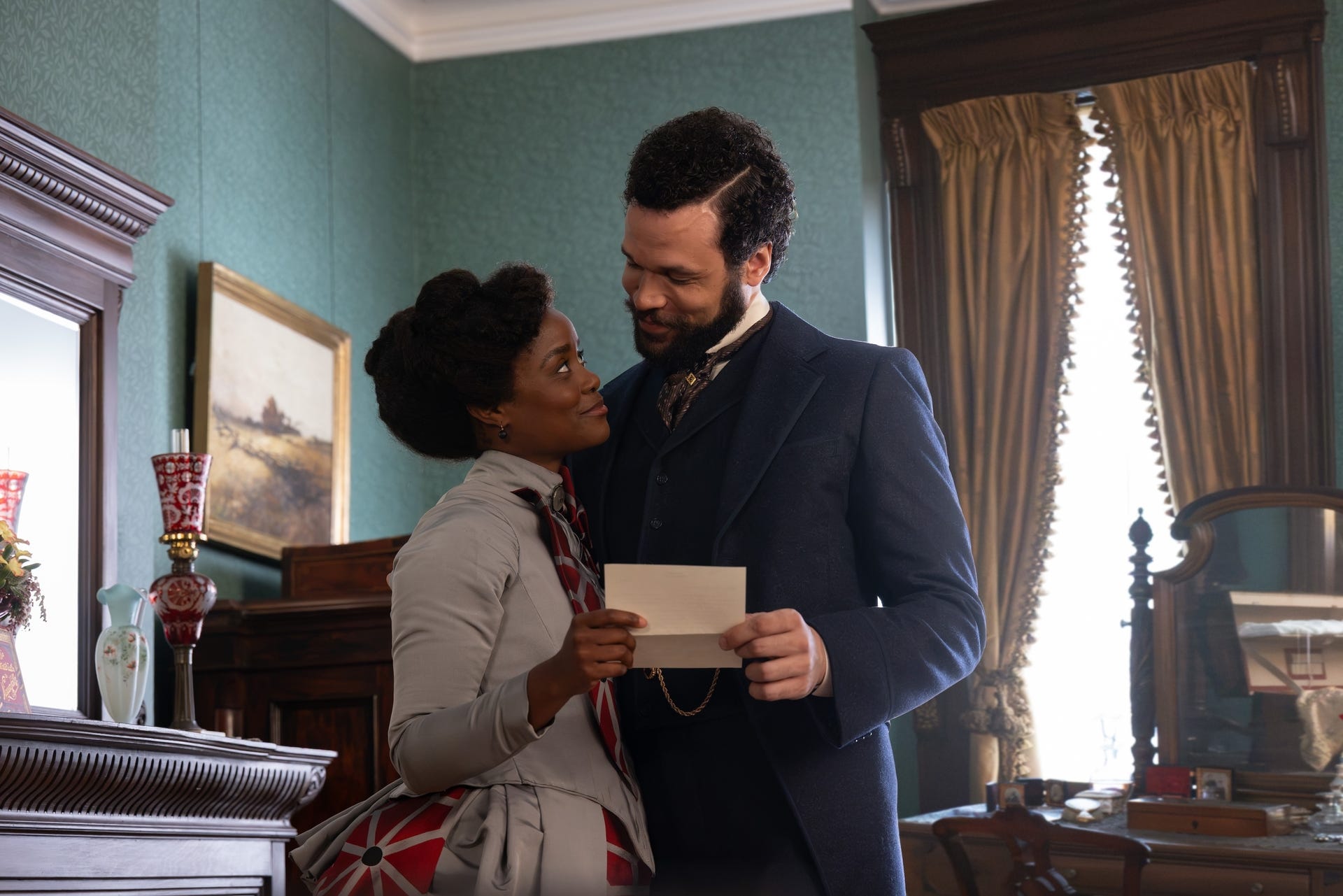
Peggy: When the Future Doesn’t Look Like What You Expect
Back in New York, Peggy is preparing for a different kind of future, one that brings forward a woman who defies the societal and racial constraints of her time.
Her book is published, she’s planning a wedding, and she’s continuing to establish her independence alongside her identities as a career woman and future wife.
But in her excitement, there is another one that comes from William that seems to catch her off guard:
Babies.
When William speaks about the possibility of expanding their family, Peggy’s reaction raises a question the women in society are afraid to ask themselves:
Do I want children?
The look on her face, followed by an uncomfortable laugh and a quick change of subject, suggests that unspoken question may already be weighing on her.
Unlike Gladys, whose experience with motherhood will take on a different form this season, Peggy carries a painful history that makes starting a family with William a bit more complicated.
She’s already a mother, in a way.
And although her father secretly arranged for her son’s adoption after lying about his death, she’s learned to live without him.
So the question now becomes whether she wants to take on the identity of a mother again, after only just beginning to heal from the events surrounding her firstborn.
Will Peggy be able to fully step into a life with William without being expected to surrender herself in the process?
The “Great” Expectations
“Ring the Bells” connects Gladys, Sara, and Peggy through the identity of motherhood but in completely different ways—inviting the audience to discover agency and autonomy through women of a certain time when society tells them they have no voice at all.
For Gladys, she will undoubtedly face the challenges that come with no longer having the option to bear children.
For Sara, The Gilded Age (so far) seems to be interested in what motherhood means through the obligation of sustaining family and legacy.
And for Peggy, the challenge here may be one of the hardest of them all, as she may be forced to decide on motherhood alongside her career and with the grief that lingers from her past.
Three women, each with three different relationships with motherhood and womanhood.
And that’s what makes Episode 1 such a devastating start to the season.
The ringing of the bells is often connected to the arrival of something new.
Something promising.
But for Gladys, Sara, and Peggy, the bells signal demanding sacrifices—whether they choose to make them or not.
Want more analysis for your favorite shows? Subscribe to get them directly in your inbox. Have a suggestion? Leave a comment.
The Gilded Age Continues
Kivonshe—founder of So There’s That—is a film & TV critic who explores compelling storytelling, fandom relationships, character psychology, and the impact of entertainment media through film reviews, episodic recaps, and in-depth theme analysis.
© Kivonshe | So There’s That
Original editorial commentary, criticism, and analysis. Unauthorized reproduction, republication, redistribution, or adaptation of this content, in whole or in part, is prohibited without prior express written permission from the copyright holder. Attribution alone does not constitute permission.