


Editor’s Note: This review is based on the first two episodes provided for review.

Ambition Has a Price
Season 2 of USA Network’s hit series, The Rainmaker, finds Rudy Baylor as one of the most sought-after young lawyers following his $80 million win against Great Benefit Hospital Systems in Season 1.
But winning a high-profile case on your first try is very different from knowing what it takes to become a great lawyer.
And with that level of success come expectations that may prove more difficult to navigate than the law itself.
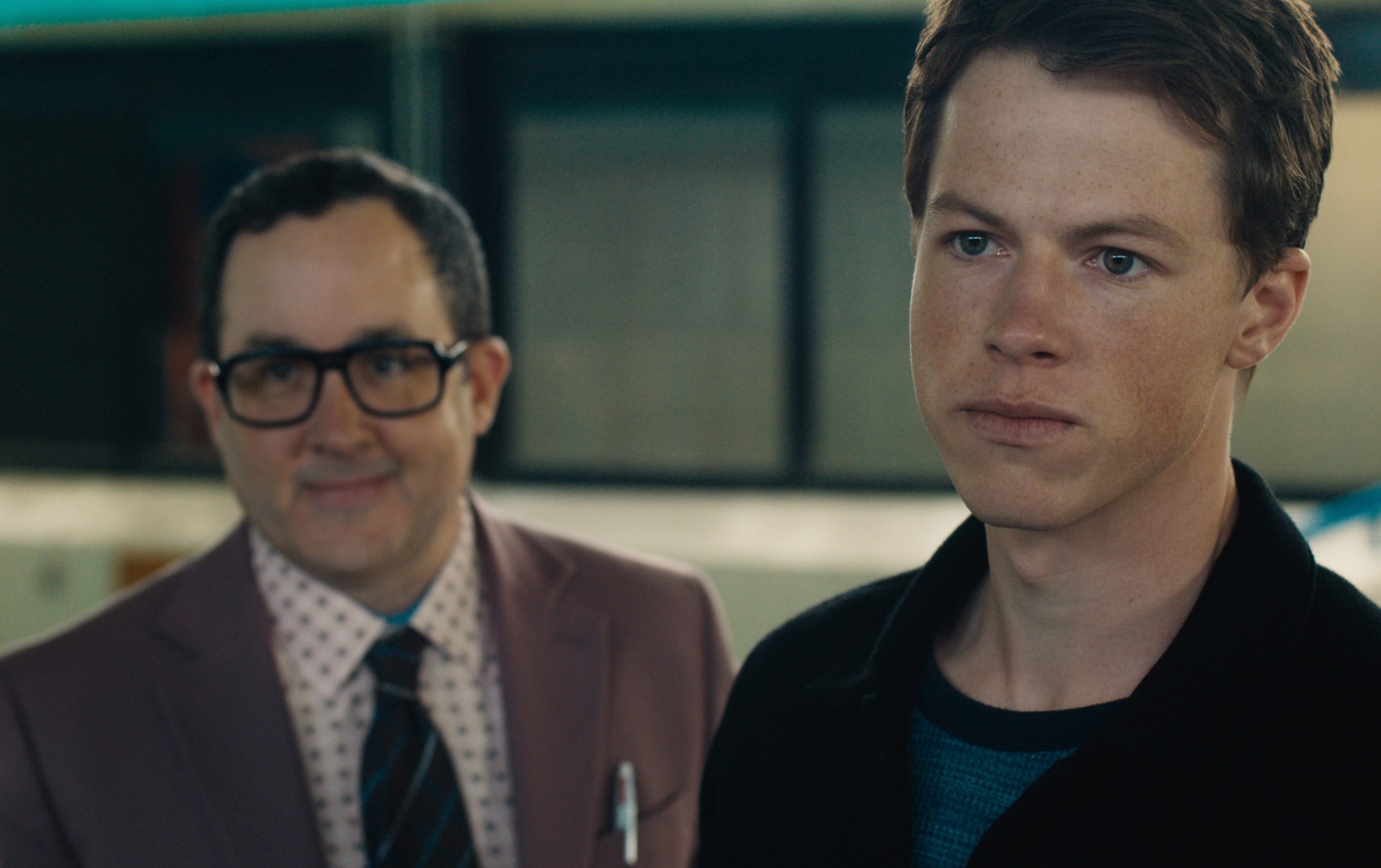
Starring Milo Callaghan as Rudy Baylor, Lana Parrilla as Bruiser Stone, and P.J. Byrne as Deck Shifflet, Season 2 continues to follow Rudy on his journey toward becoming a great lawyer, or what he believes a great lawyer should be.
In the first two episodes of The Rainmaker Season 2—Episode 1 “Dear Uncle Rudy,” premiering Friday, October 16, and Episode 2 “Cards Up,” premiering October 23—Rudy faces the challenge of proving to Bruiser that his ambition is matched by his ability.
But with every compelling legal procedural drama, there’s a formidable opponent, and, in Season 2, Merle Dandridge suits up.
Dandridge joins Season 2 as Amanda Vonn, a cutthroat powerhouse attorney who appears to go to extraordinary lengths to protect her reputation and to win.
Amanda doesn’t just own the room.
She is the room.
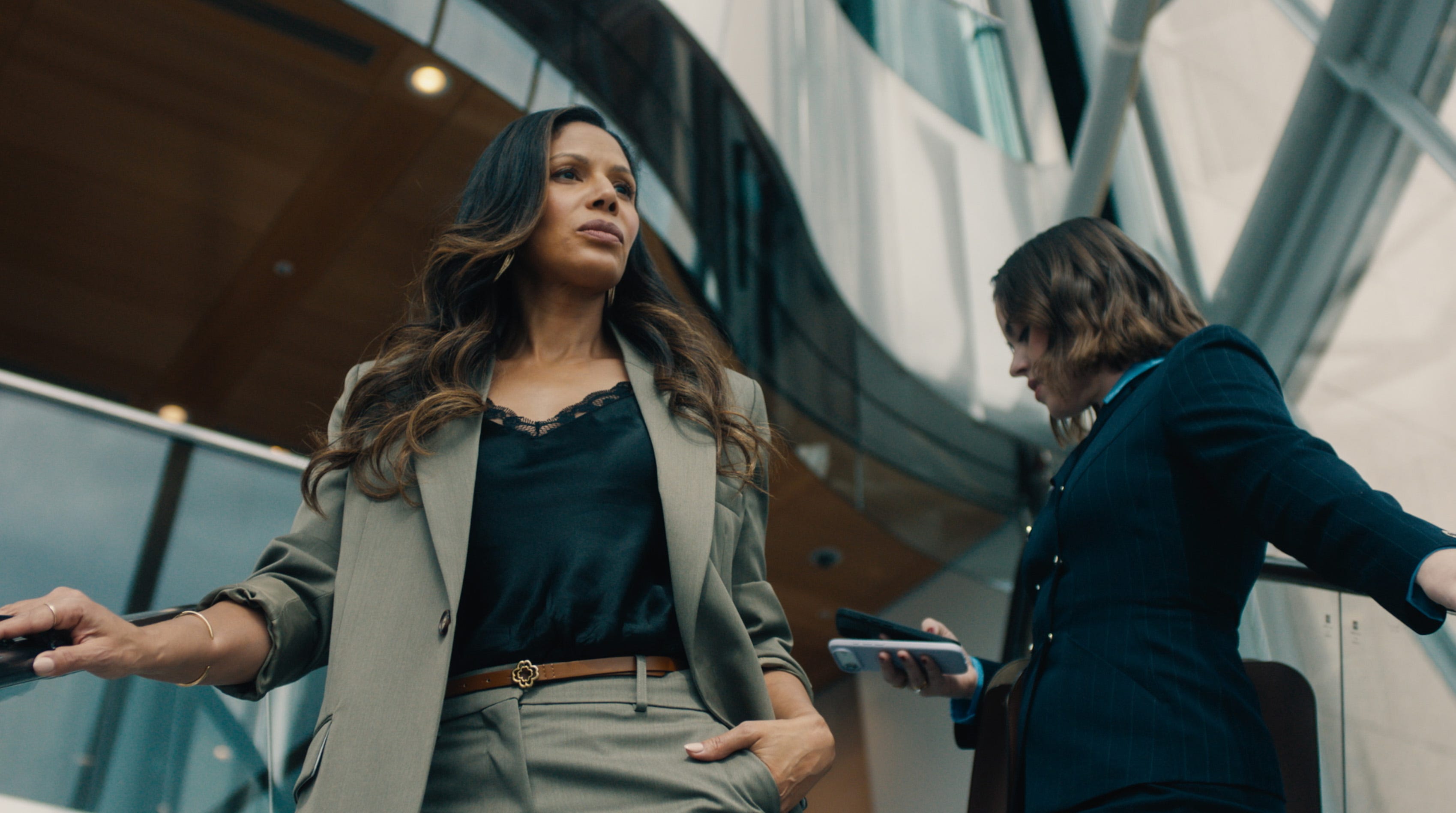

Amanda is someone Sarah Plankmore (Madison Iseman) looks to for a second chance after the fallout at her previous firm—Brad Noonan was imprisoned and Leo Drummond and the CEO of Great Benefit, Wilfred R. Keeley, were indicted.
Sarah also destroyed her relationship with Rudy in the process.
At the end of it all, only Sarah remains—with just one case under her belt, an embarrassing loss, and a reputation torn to pieces.
But starting over doesn’t necessarily mean making new choices, nor does it mean that Amanda is the answer to Sarah’s professional problems.
For Sarah, it becomes a question of whether she’s learned from the pattern of decisions that now shape her professional and personal reputation or if her ambition continues to lead her toward the very people who could threaten her future as a lawyer.
A pattern that suggests a character trait she has yet to recognize within herself—one that led her to use personal information about Rudy to advance her case.
For both Rudy and Sarah, Season 2 presents two distinct challenges born from the same case:
Can Rudy live up to the expectations created by his victory, and can Sarah recognize the choices that contributed to her downfall?
What It Means to Win
Season 2 begins with J. Lyman Stone and Associates taking up a case where the lives of hundreds of children hang in the balance.
A win in this case could be even more costly than a loss.
With so many lives at stake, the question isn’t whether Rudy and his team win or lose. It’s whether they’re prepared for the fallout that comes from taking on the case in the first place.
And caught in the crossfire yet again is Sarah, who finds herself back as opposing counsel with a case whose legal implications run far deeper than they initially appear.
As Sarah gets pulled back into the courtroom, the question becomes whether the road to rehabilitation is all that different from her past—potentially finding herself surrounded by the very ruthlessness that contributed to her downfall.
And on the edge of Rudy and Sarah’s rivalry is a blast from the past in Bruiser’s life: her ex-husband.
Tom Cassady (Austin Nichols) upends Bruiser’s life by reaching out for legal help to save his own life and that of the star pitcher of the minor league baseball team he coaches.
Tom’s return complicates Bruiser’s personal and professional life—bringing up old wounds that could test her judgment and principles.
And in the midst of all the legal drama is the heartbeat of the series:
Rudy Baylor.


Is flying too high too fast a bad thing?
Depending on who you ask, the “yes” can mean different things.
Yes, because of arrogance.
Yes, because of inexperience.
Yes, because of the danger that awaits on the other side.
And what makes the danger worth it is how Rudy, Bruiser, and Deck—an unlikely combination of personalities—come together in their cases.
They bring their individual wit, intelligence, and cunning methods to the firm in a blend of comedy that gives The Rainmaker a refreshing identity that makes people tune in week after week.
It’s within this contrast between their personalities that the humor finds its home.
Even when the stakes are high, their differences remind us that being good at what you do doesn’t mean everyone agrees on how the job should get done.
As they continue to learn about one another—what makes the others tick, what they care about, as well as the skeletons in their closets—they realize they share the same passion for winning.
Not at all costs.
But with a willingness to fight for what’s right, fair, and just for their clients.
And if the first two episodes are any indication, Rudy and his team have a few battles ahead of them.
With conspiracies, hidden agendas, and powerful enemies emerging, they will have to fight with everything they have to succeed—not just for their clients, but for themselves.
Winning may have made Rudy Baylor a lawyer worth remembering, but what comes next will determine the kind of lawyer he chooses to become.
Want more analysis for your favorite shows? Subscribe to get them directly in your inbox. Have a suggestion? Leave a comment.
Rudy Baylor’s Law Journey
Kivonshe—founder of So There’s That—is a film & TV critic who explores compelling storytelling, fandom relationships, character psychology, and the impact of entertainment media through film reviews, episodic recaps, and in-depth theme analysis.
© Kivonshe | So There’s That
Original editorial commentary, criticism, and analysis. Unauthorized reproduction, republication, redistribution, or adaptation of this content, in whole or in part, is prohibited without prior express written permission from the copyright holder. Attribution alone does not constitute permission.