


What Happens When Everyone Has Access to You
“They’re all gonna laugh at you!”
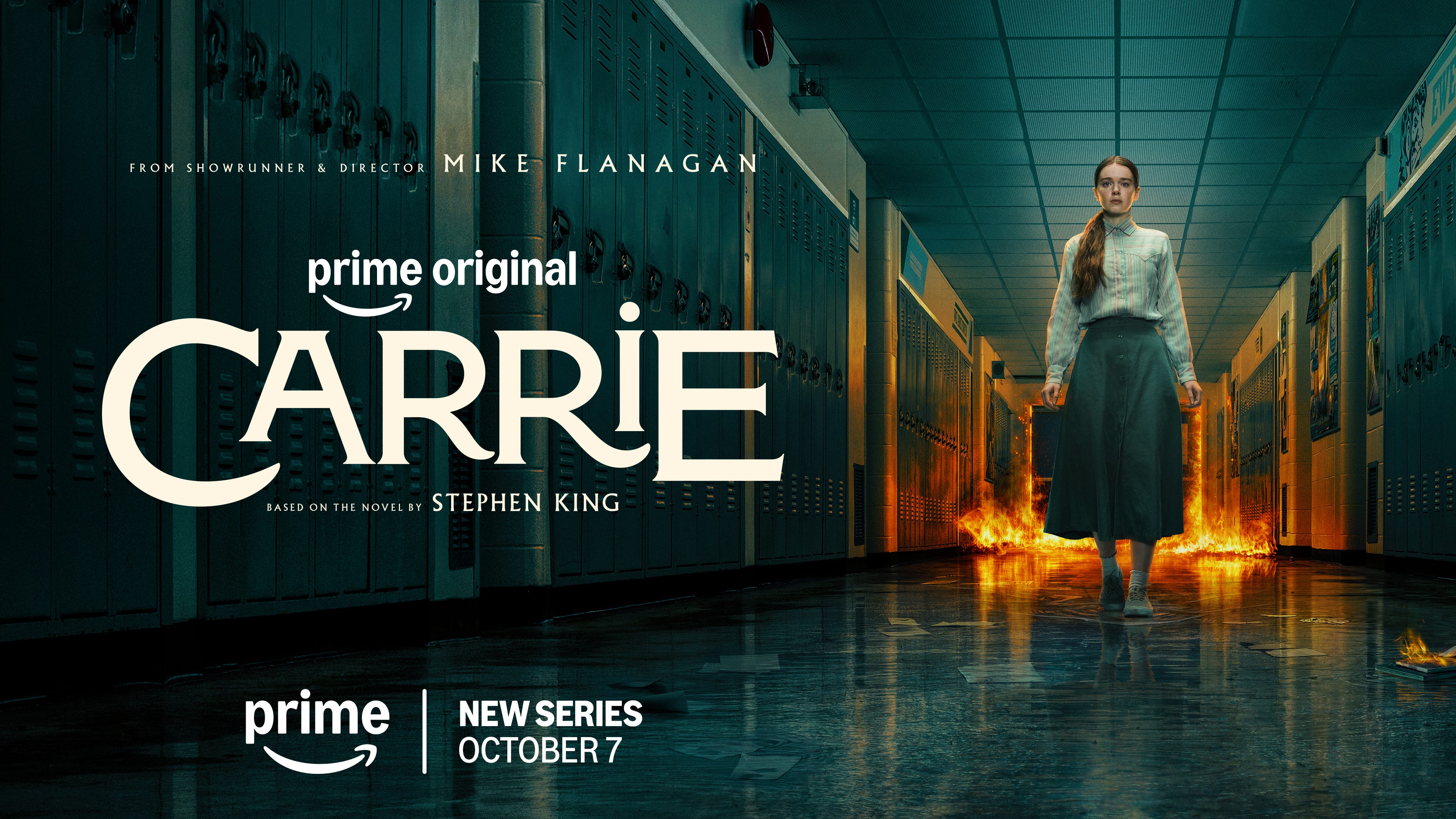
The iconic Stephen King story of Carrie White makes its way to Prime Video in a new adaptation, Carrie, on Wednesday, October 7.
This time, her story doesn’t just exist as small-town lore. It’s online.
Starring Summer H. Howell as Carrie White and Samantha Sloyan as her fiercely protective mother, Margaret, Carrie emerges from the confines of her sheltered life and into a world she’s been shielded from her entire life.
One with cell phones, social media, and teenagers who misuse them.
After the sudden death of her father, Carrie is thrust into a world for which she is completely unprepared—navigating bullying and scandal that rips through the community like wildfire.
All while experiencing an awakening of powers alongside her growing rage.
Unlike its film predecessor, Carrie slows us down, taking us inside the world of a teenager and how she processes information, people, beauty, and the cruelty around her.
Through this slower pace, the series allows room for a natural buildup—from the innocent and sheltered life to the bloody icon that represents a powerful image of female rage.
The additional element of modernizing the reach of bullying—from the 1976 version to including social media—takes Carrie’s rage from her school to the world.
Everyone can see the posts.
Everyone can see the likes.
And Carrie’s rage no longer exists within her small bubble; it extends across physical and digital time and space.
This changes the scale of what Carrie must survive before we ever meet the version of her audiences already know.
There Are No Rules to Rage
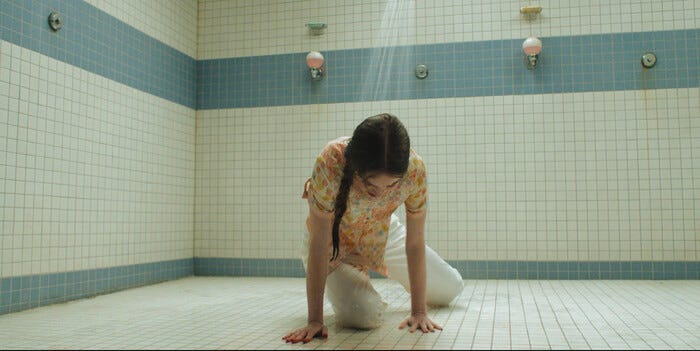
The opening episodes establish the iconic and recognizable history that Sissy Spacek brought to Carrie White in the 70s.
But soon after, the series settles into its new identity.
This Carrie isn’t just thrown into her new surroundings like a fish out of water.
She’s gaining an understanding of the world around her through a firehose—an understanding that fuels her curiosity and grants her agency.
It also shows the audience Carrie’s increased autonomy over her emotions rather than the unchecked outrage that could make people perceive her as unhinged.
And as the series takes care to weave in the history of telekinesis and witchcraft and how women were historically treated when seen as “other,” it gives Carrie context for understanding what she can do and how she can do it.
She’s in control now.
And for adults watching the series, it pulls you back into the world of high school cruelty—one you’ve maybe compartmentalized to the point of no longer existing within your own memories.
It shows you how time and technology make the space for bullying that much more dangerous.
It’s no longer in a silo, confined to your school and local town.
It’s worldwide.
And the internet is forever.


But the series isn’t just interested in what modern bullying does to Carrie. It takes time to examine those who are responsible for it.
On the other side, Carrie expands and deepens the antagonist, Chris Hargensen (Alison Thornton).
The series doesn’t excuse her increased malicious behavior, but it does peel back the veil on the circumstances and structures that influence her cruelty.
Through Chris, Carrie investigates the conditions that produce her behavior—how the way she’s being raised impacts her self-perception and how she retaliates against the world around her.
Cruelty isn’t made by accident.
Rage isn’t present at birth.
Life is the author of our actions, and Carrie’s life is, well, something of a horror story.
It All Begins Inside the Home
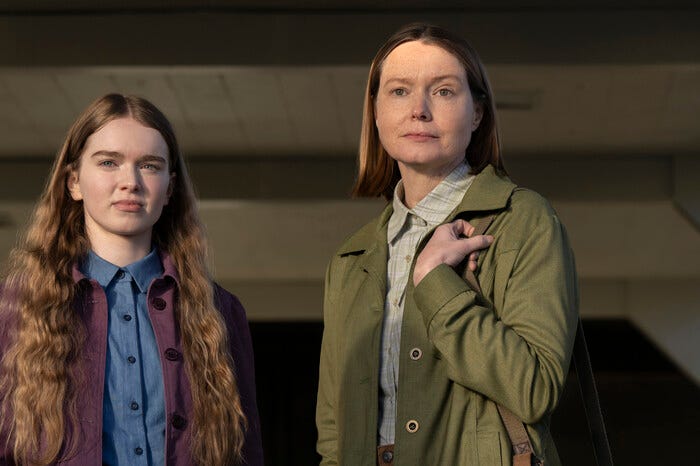
If the outside world gives us a glimpse of where Carrie is headed, the world inside her home shows us where it all began.
Her mother.
In the 1976 adaptation, Margaret was depicted as cold, callous, and rigid in her treatment of Carrie.
But in this series, we’re shown a new version—not necessarily soft but that of a genuinely concerned and grieving mother.
A mother who lost the center of her household while trying to raise a teenager who is as displaced in the world as she.
And even within her rules, she still extends herself to Carrie—letting her know that above all she’s still her mother, she’s here for her, and she loves her.
And as Carrie’s moods change, Margaret must watch her go down a path that she does not understand.
A path where she carries the burden of grief for her daughter and for herself.
And there’s no rule book for navigating grief.
There’s no rule book for joining a world in which you don’t recognize yourself.
Pressurized between a mother who’s desperately trying not to lose her daughter and high school bullying that threatens the threads of her resolve, Carrie learns she must make her own rules.
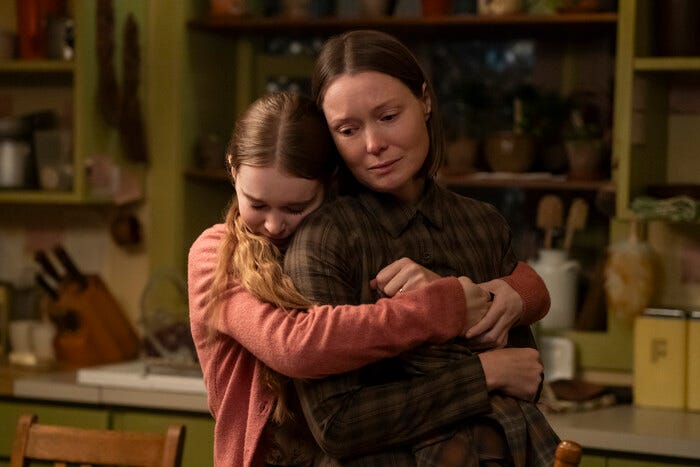
Howell and Sloyan are phenomenal in not only inhabiting the world of the story but also breathing new life into a fragile relationship as old as time:
The mother-daughter relationship.
And what’s even more beautiful about their performances is how when they share space, it feels as if you’re in their bubble—a show within a larger show that makes you invested in the dynamic that built the pyre for Carrie’s rage.
And more than just the set design—which physically takes you between the modern world in school and Carrie’s outdated surroundings inside her home—both actors still preserve that chemistry when they share space everywhere else.
They aren’t just othered; they also feel othered.
And in their nuanced performances, you connect with both characters.
You feel bad for them both.
You feel rage for them both.
And for Carrie, the rage has only just begun.
Want more analysis for your favorite shows? Subscribe to get them directly in your inbox. Have a suggestion? Leave a comment.
The Scorned Teen…
Kivonshe—founder of So There’s That—is a film & TV critic who explores compelling storytelling, fandom relationships, character psychology, and the impact of entertainment media through film reviews, episodic recaps, and in-depth theme analysis.