

Friday, December 5, Netflix and Warner Bros. Discovery announced Netflix’s acquisition of the film studio following the separation of Discovery Global (the streaming and studios company that Netflix purchased). Since the announcement, many questions, concerns, and outright rage have sparked online amongst celebrities and average consumers alike. This deal has created fear that the theatrical experience as we know it is meeting its demise—opposition from SAG-AFTRA, WGA, and DGA swift and clear, with the WGA reporting they are not willing to entertain the conversation and that any deal “must be blocked.” After days of research, here’s what we know:
Pros of the Acquisition from a Marketing and Business Perspective
Massive content and IP portfolio for broader consumer reach on a globally accessible platform (HBO and HBO Max catalog, DCU, Harry Potter, Game of Thrones, etc)
Netflix acquires studio capabilities and broader production power as a studio (“Netflix Originals” potentially coming back as a true production studio vs primarily licensing and platform distribution through vertical integration)
Increase in subscriber growth and retention (reduction of subscriber churn rate due to exclusive offerings with newly acquired content not on any other platform)
Cons and Industry Concerns
Monopolization and regulatory risks (fear of creative control, lack of diversity, freedom of expression, and loss of job opportunities for creators and smaller productions—see Jane Fonda article for The Ankler for detailed risks from an industry legend)
High risk of alienating primary stakeholders (unions, theater-owners express fear of suppressed wages, lack of voice at the table during decision making, and a ruin of the theatrical experience)
Netflix is taking a large risk for a company that has openly rejected mergers and acquisitions in the past but, both co-CEOs voiced their excitement about the deal—Ted Sarandos stating “together, we can give audiences more of what they love and help define the next century of storytelling” and Greg Peters stating “with our global reach and proven business model, we can introduce a broader audience to the worlds they create—giving our members more options, attracting more fans to our best-in-class streaming service, strengthening the entire entertainment industry and creating more value for shareholders” (Netflix).
Is the Theatrical Experience Over?
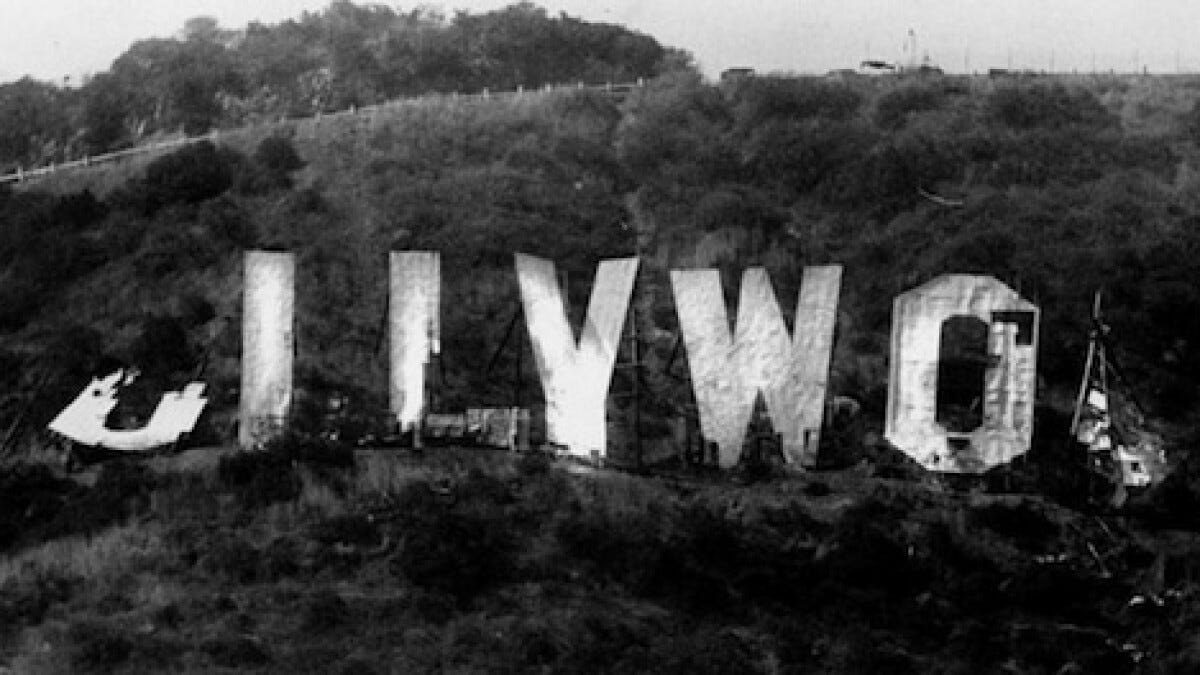
Out of all of the heightened emotions over the acquisition, from one end of the spectrum to the other, perhaps the most prevalent ones are the fear and uncertainty in the way movies will be consumed and experienced in the future. Ted Sarandos has been very open about how he feels consumers do not attend theaters as much as they used to, vehemently expressing that theatrical film release models are “outdated.” On average, theatrical releases go on a 60-90 day run before finding a home on a streaming platform. However, on Friday, Sarandos went on record to state “…over time, the windows will evolve to be much more consumer-friendly, to be able to meet the audience where they are quicker.” In short, this acquisition could be the catalyst to increasing the decline in large theatrical releases, thus changing the film industry for good.
From the inside looking out, Netflix acquiring the century-old studio could be a substantially positive move with IP and major franchises reaching a larger audience than traditional linear release in theater and TV networks. However, this sword has two edges—the very platform that promises global reach will have more isolation as people will watch major films on their phones, tablets, and TVs, causing a horrific decline in the communal experiences cinema was built upon.
Overall, this deal has high potential and high value with even higher risks. And, in an unprecedented move, the President of the United States says he will be “personally involved” and that the deal “could be a problem” due to Netflix’s market share. While there is concern about Netflix dominating the entertainment industry as the sole production and distribution entity, some critics fear the normal regulatory process for checks and balances is in threat of political influence and favoritism. The President’s involvement not only makes the spotlight brighter and hotter, but, his presence may be the ultimate deciding factor on if the deal is approved or not—a dangerous precedent of political involvement in industry mergers to come.

Many prominent voices of the industry have spoken out against the deal. One such was acclaimed director James Cameron—who believes Netflix films should not be eligible to be nominated for Oscars—reported that the deal “would be a disaster.” The largest arguments boil down to economic value of theater, the theatrical experience as a whole, and the potential loss of jobs and creative freedom of speech.
Here are some quick facts about Warner Bros. Discovery and the very history that is in threat of being consumed by the streaming conglomerate:
Part of the Big Five- 1 of 5 vertically integrated studios that controlled every aspect of filmmaking
In 1927, Warner Bros. Discovery made the first “talkie” film, The Jazz Singer, taking a gamble on sound technology that reshaped film history
Brand identity rooted in gritty films, musicals, social commentary, and becoming the studio willing to produce risk-taking movies
Pioneers in acquiring studio chains to cement what we know now of Hollywood—studios owned production and control of release and theatrical experience worldwide
One could say Netflix is becoming the 21st century version of the Big Five, taking a page out of Warner Bros. Discovery history books, reshaping what they did in Hollywood’s Golden Age to fit the narrative for today’s movie consumer. Whatever side of the argument you sit, this is history in the making, marking another major cinematic standard for the next century.
Sources: AP News, Business Insider, The Guardian, TIME, The Washington Post
© Kivonshe | So There’s That Podcast
Original editorial commentary on film and television. All rights reserved. Reproduction or redistribution without attribution is not permitted.