Netflix’s ‘Fool Night’ Review: Beauty in a World Without Light
In their first-ever collaboration, SUNRISE and SHAFT bring to life a visually compelling dystopian anime series that explores survival, choice, and what it means to be human

Editor’s Note: This review is based on the first three episodes provided by Netflix for review. All 12 episodes premiere Thursday, November 26, 2026.
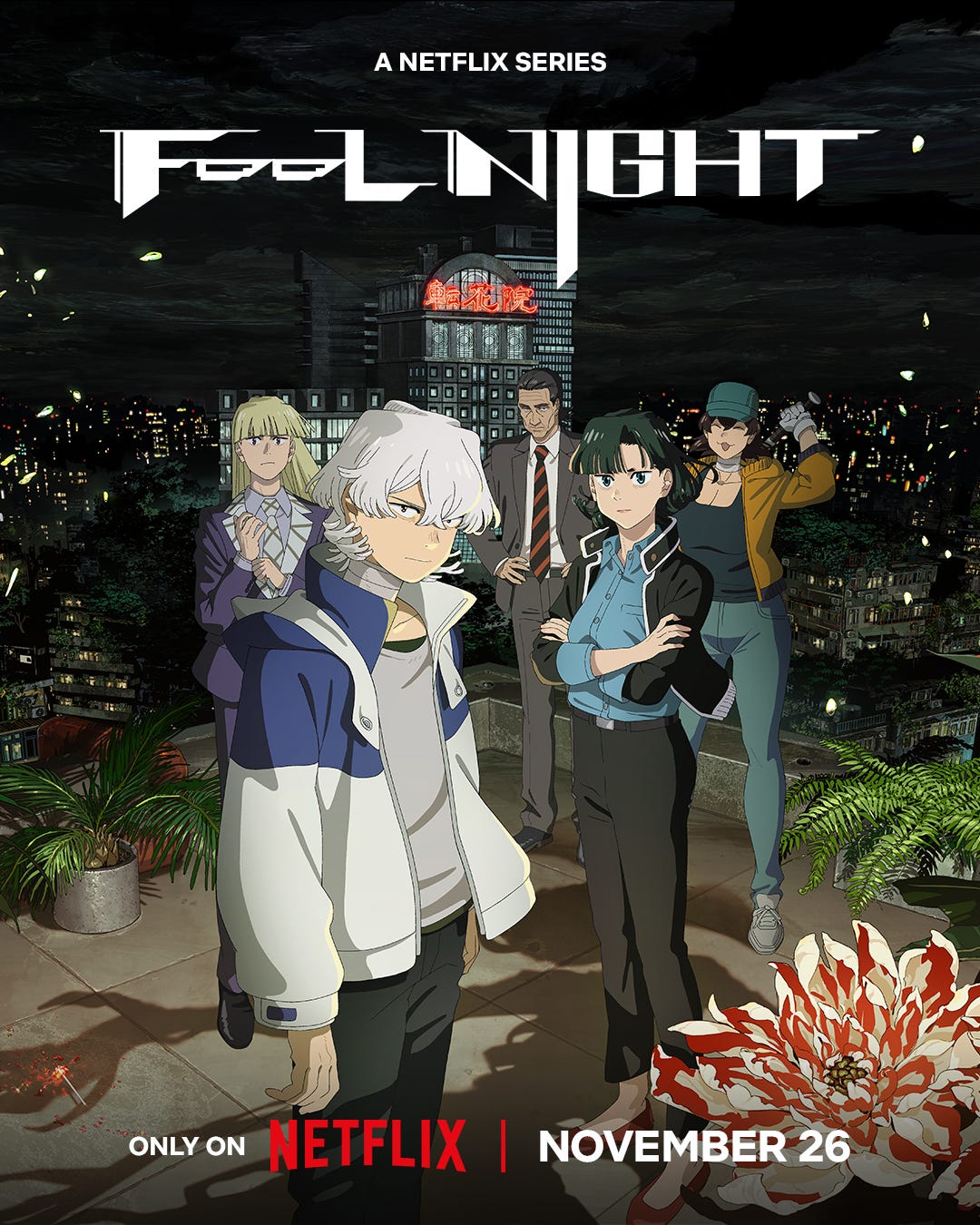
There’s nothing more exciting than when an animated series captivates you the moment you press play.
That’s exactly what happens when you experience Netflix’s new animated series, Fool Night.
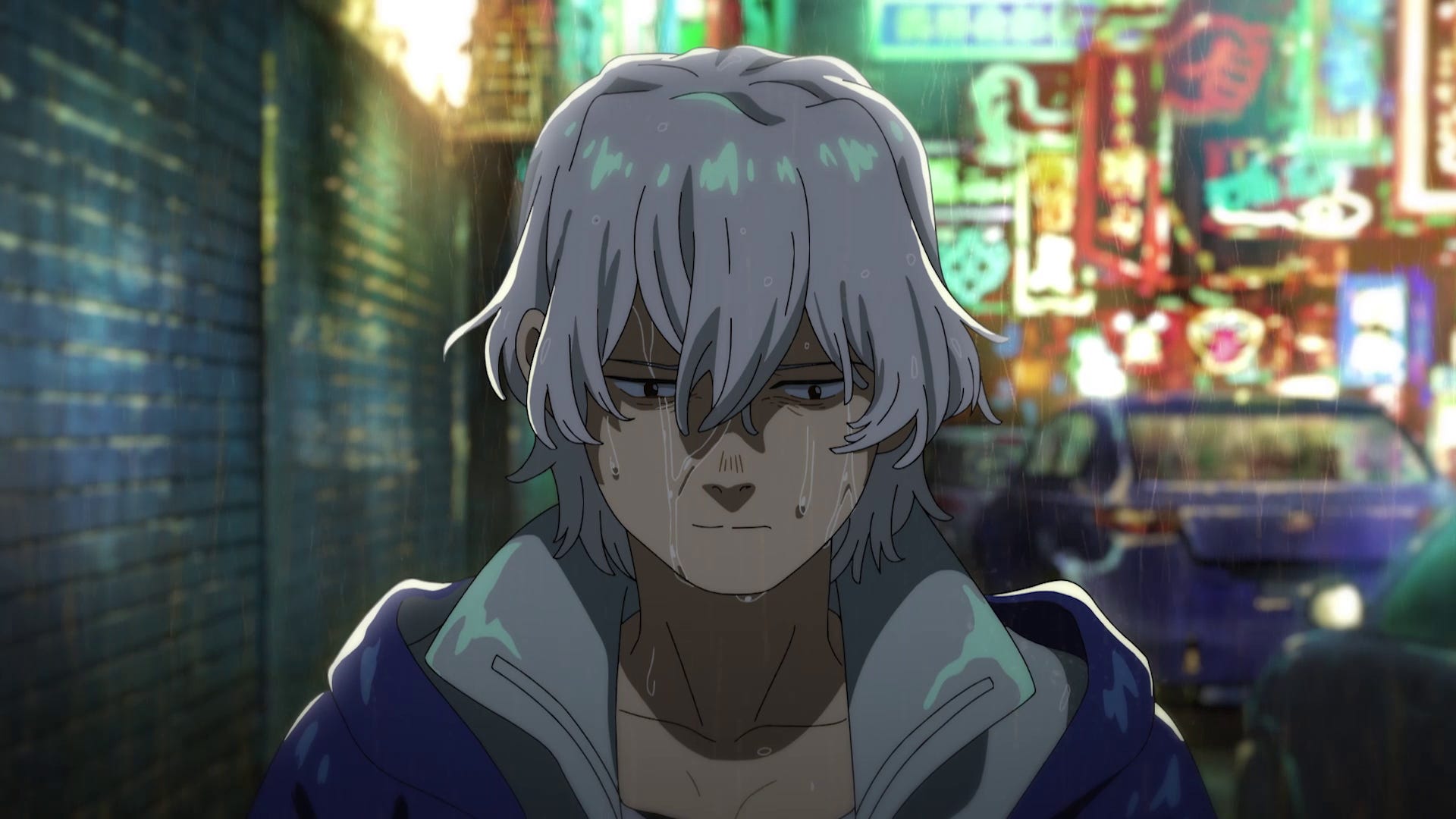
Immediately, Fool Night’s animation style brings you into a dystopian world full of both darkness and wonder. The motion of the characters against the seemingly two-dimensional backdrop makes you feel like you’re immersed in a video game.
I’m not sure if that was the point, but either way, I’d play it.
The artwork, depicting a world that has long since seen bright days, looks like paintings—brushstrokes within some elements and a more digitized appearance in others, creating beautiful contrast and depth within the animation.
And there’s quite the creative team behind it.
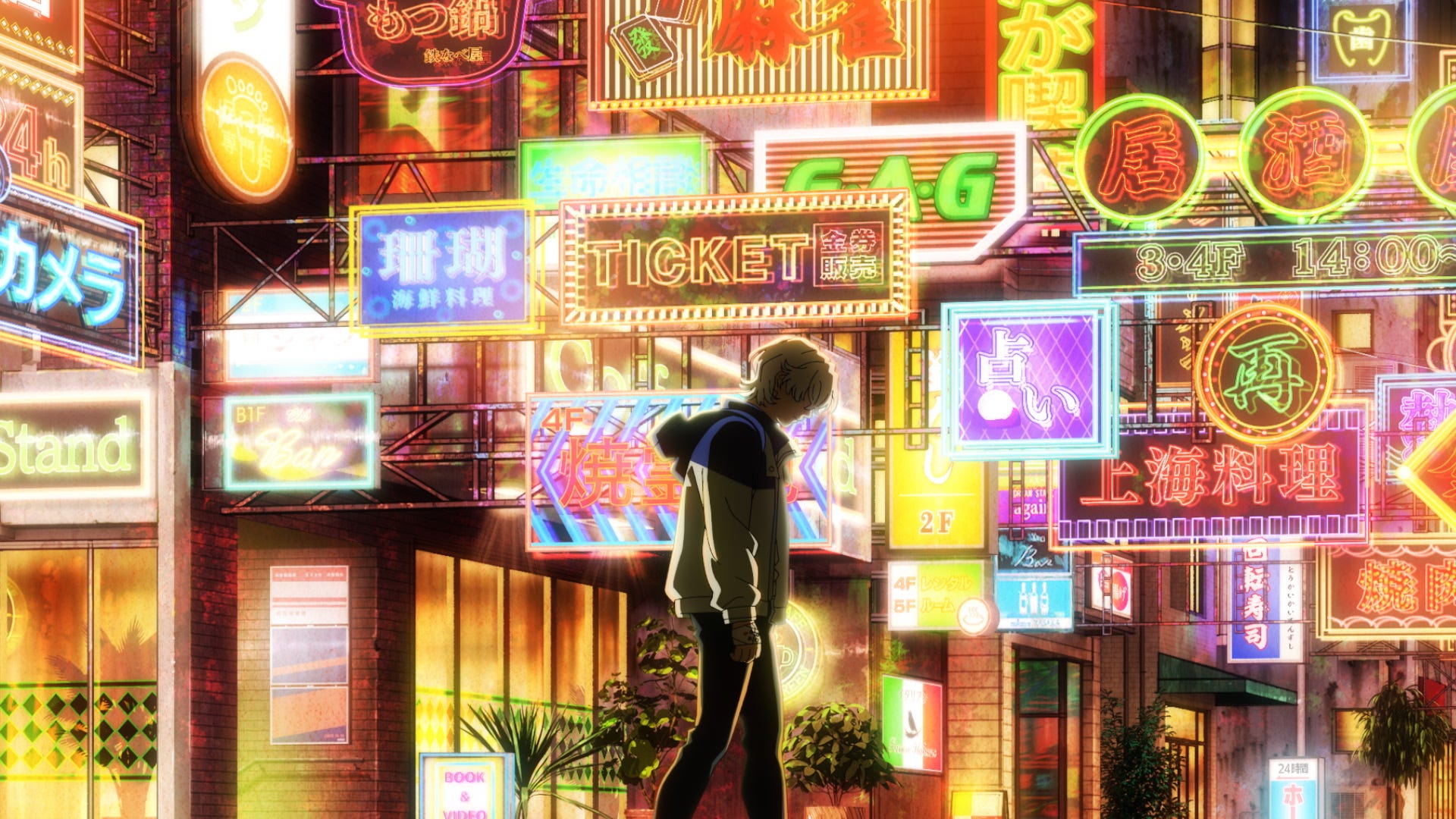
Based on the critically acclaimed manga by Kasumi Yasuda, Fool Night marks the first-ever collaboration between two of Japan’s leading anime studios: SUNRISE, known for Cowboy Bebop and the Gundam franchise, and SHAFT, known for its distinctive visual style in Puella Magi Madoka Magica and the Monogatari series.
Yasuda’s manga, currently serialized in Shogakukan’s Big Comic Superior, earned recognition in Kono Manga ga Sugoi! 2023 and won Best Suspense Manga at the 2023 Japan Expo Awards.
With director Atsushi Yukawa (Suzume) and series composition writer Jin Tanaka (Oshi no Ko) at the helm of the adaptation, Fool Night takes us into a dystopian universe where the absence of light has forced humanity to find an unconventional way to survive.
And the premise is pretty dark underneath the heroism of choice.
Sound and Light Tell a Compelling Story
In a distant future where thick clouds cover the sky and most of the world’s vegetation has withered away, humanity faces a severe oxygen shortage.
Through a procedure called transfloration, those nearing death can have a seed implanted inside them, eventually transforming into plants that supply oxygen to the remaining population.
It seems noble, but is there truly no alternative?
Fool Night doesn’t just focus on exploring an alternative solution to saving humanity—although we really need the answer to that question, and fast.
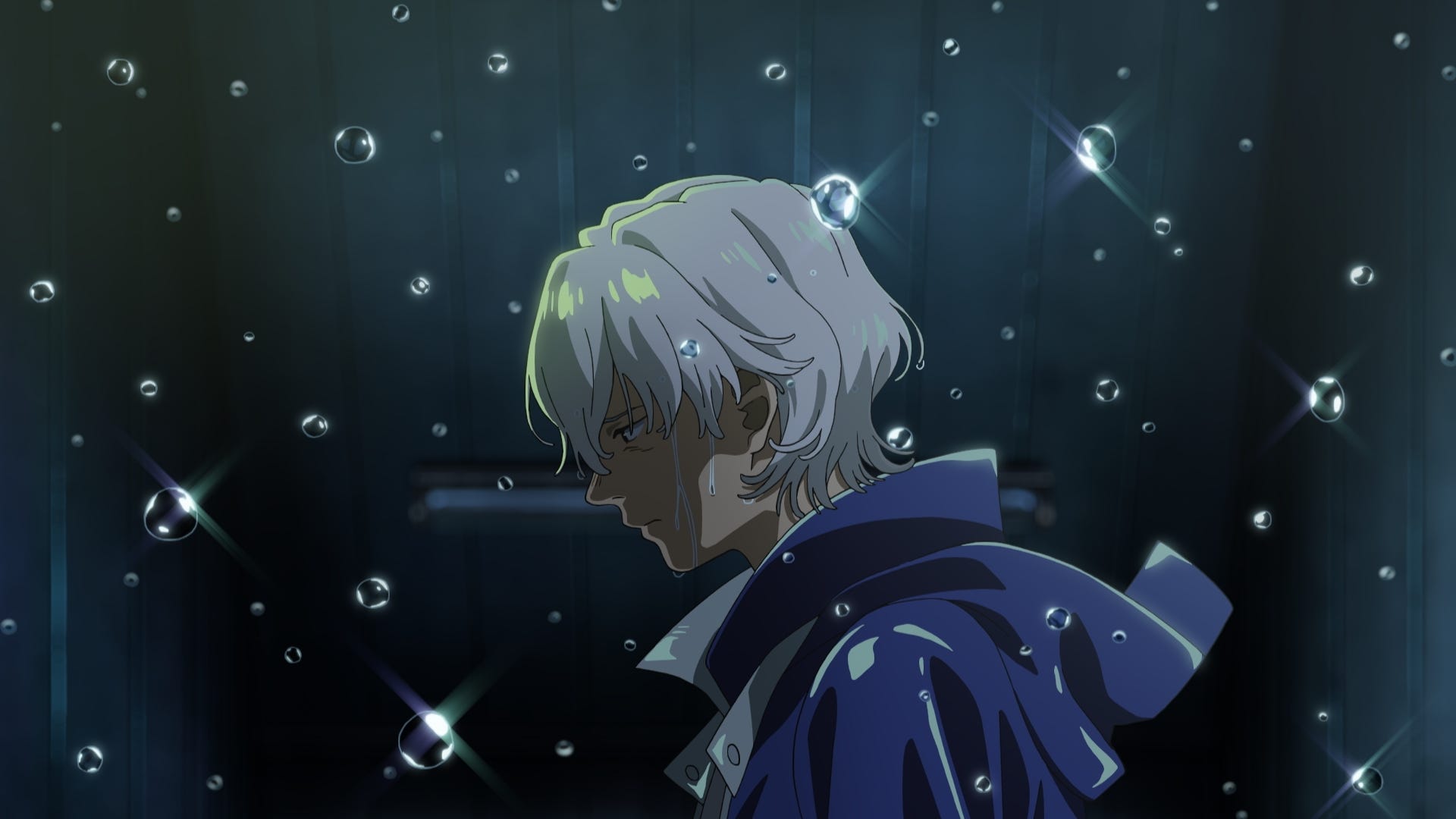
But for a series shrouded in darkness, its use of light is just as important to the narrative as the dialogue—and it’s extraordinary.
The different shades, intensities, and colors make Fool Night feel as though you can reach out and pluck it right from your television. They create depth, guide your emotions, and provide an immersive experience in which you feel as though you’re cloaked in that same darkness.
The work of visual development artist Ryo Kikuchi, background director Maki Takano, color designer Hitoshi Hibino, and the compositing team of Mana Ishikawa, Chiaki Tokuda, and Takayuki Aizu is particularly worth acknowledging when appreciating the series’ visual identity.
The result is a painterly quality to the environments that contrasts beautifully with the movement of the characters.
But what makes the animation so compelling is how the imagery becomes part of the storytelling itself.
The play on spores, fragments of light, and memory creates a visual narrative that is just as heartbreaking as it is stunning—communicating the depth of human emotion without needing words to explain it.
The light isn’t simply illuminating the world around these characters; it’s illuminating what remains of the people who still inhabit it.
And then there’s the music.
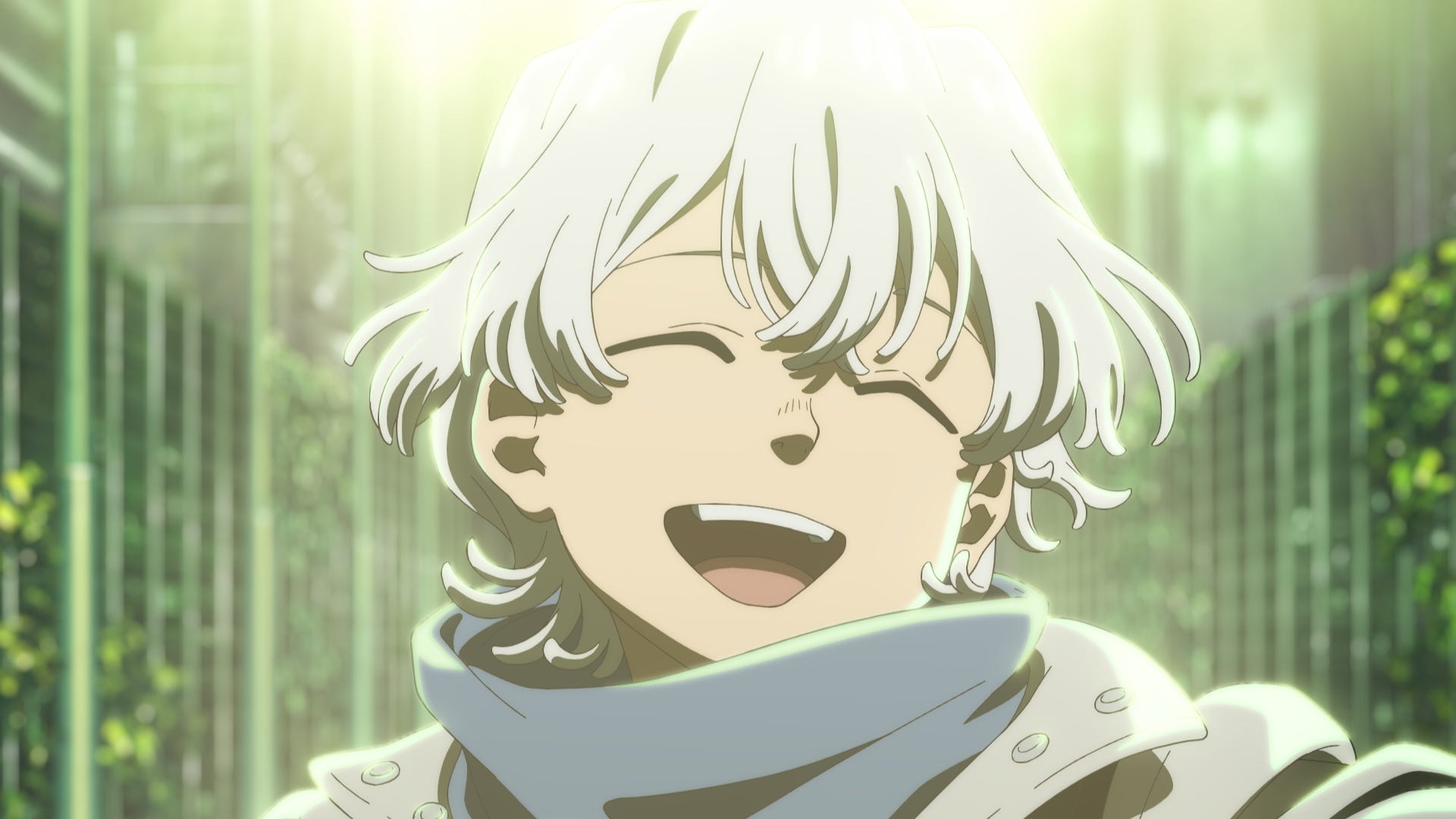
With Tatsuya Kato (Dr. STONE) credited for the series’ music and Yota Tsuruoka (A Silent Voice) serving as sound director, the audiovisual experience is just as important to establishing the identity of Fool Night as the imagery.
The opening theme is distorted and clunky, almost clownlike, set against a visual display of the dying world we’re about to enter.
It’s weird.
It’s cool.
Don’t skip it.
In addition to the theme music, the score throughout the first three episodes makes you feel determined, inspired to push through and overcome whatever circumstance you may encounter.
It’s empowering.
But it also alerts you to the dangers that lie ahead.
As the stakes intensify, so does the music, creating a sense of panic and urgency that is heart-pounding and frantic.
While humanity has found a solution that allows people to produce the oxygen necessary to keep others alive, the music guides you through the episodes and toward an uncomfortable question:
What are the side effects of their sacrifice?
The Darkness That Shapes Us
Young Toshiro Kamiya and Yomiko Horai were thick as thieves until Yomiko had to move, taking their lives in two completely different directions.
Years later, Yomiko works at Transflora Medical in a career in which she thrives, but there’s a coldness to the way she views the process.
Meanwhile, Toshiro’s life was anything but flowery.
Poor and with an ailing mother, Toshiro has endured years of struggle and abuse—trying to make it in a dark and cloudy world.
One successful despite the darkness.
One broken because of it.
Desperate to change his financial circumstances, Toshiro makes the decision to undergo transfloration. But in doing so, he discovers that he can communicate with Spiriflora—the former humans who have been transformed into plants.
Not just words, but feelings, emotions, and projections of the human psyche.
His newfound ability presents an opportunity for employment at Transflora Medical and, with it, a sense of financial relief that he’s never known.
For the moment, at least.
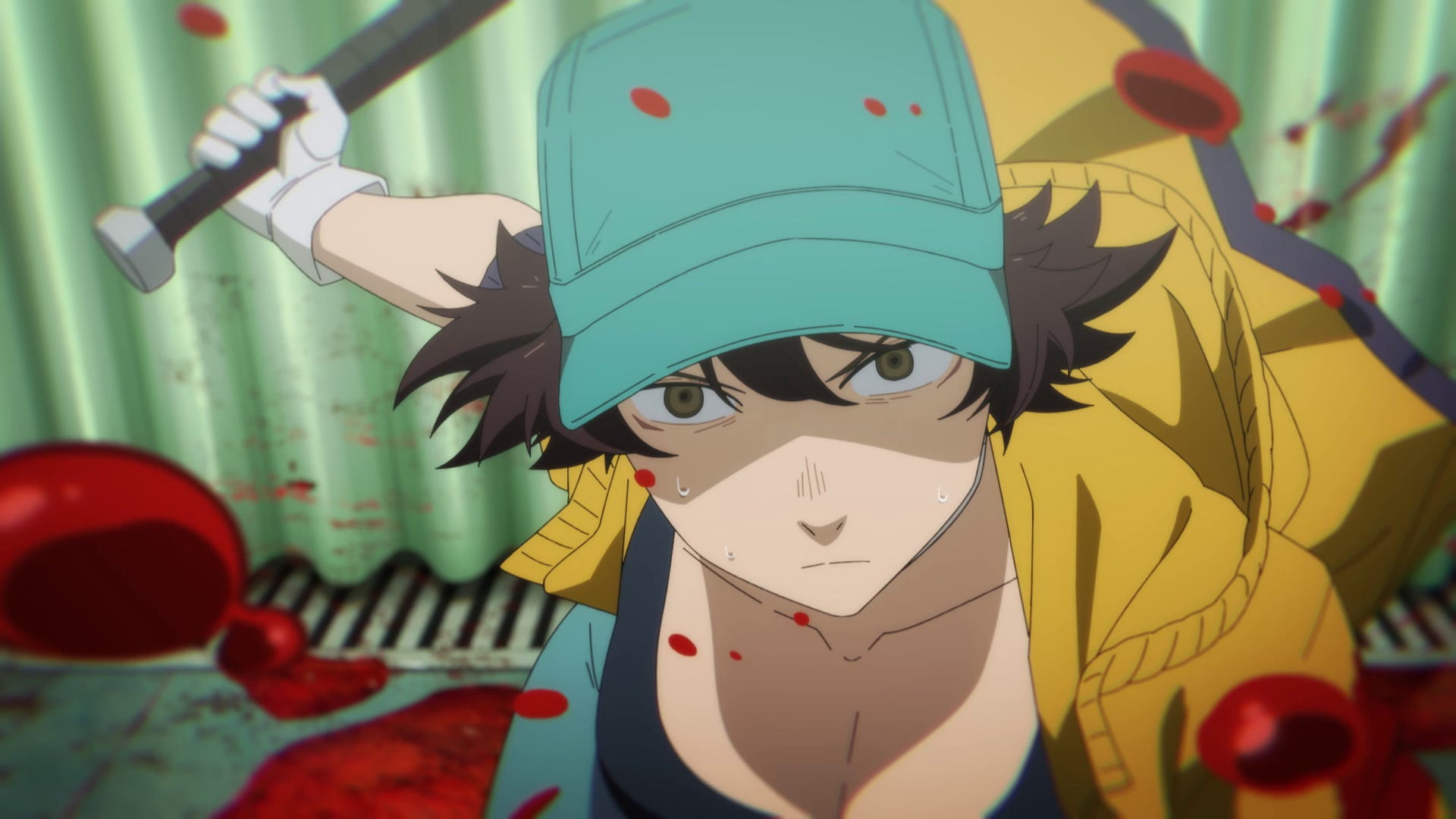
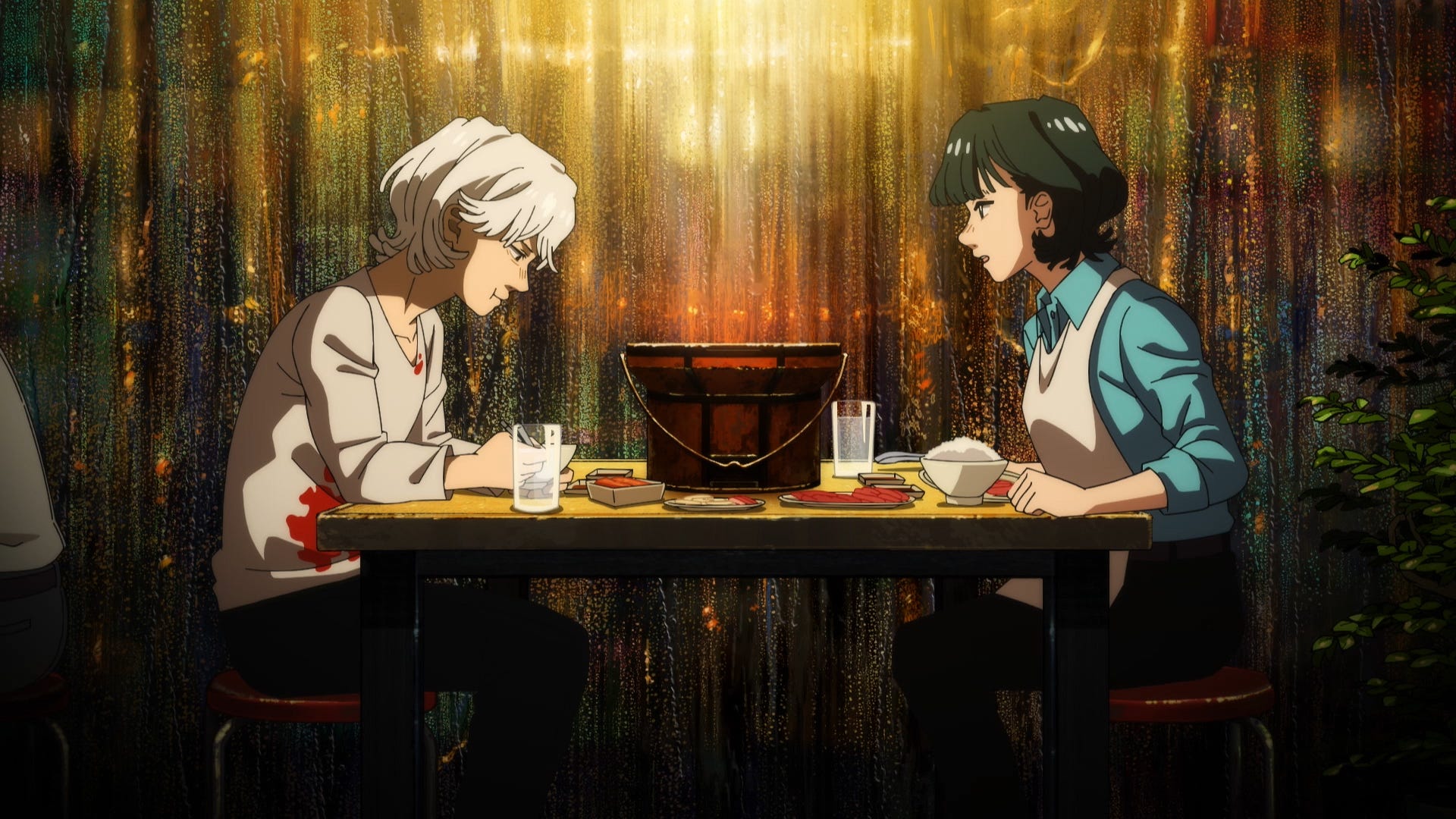
One of the things I appreciate about the first three episodes of Fool Night is the way the series gradually uncovers the layers of Toshiro and Yomiko’s relationship.
When they reunite, they fall into the familiar heartbeat of their old friendship as though no time has passed at all. But the children they once were have grown into adults whose experiences have shaped how they view the world and the people within it.
While Toshiro’s struggles are immediately apparent, Yomiko’s are less visible.
Money didn’t mean her life was easier.
Professional success doesn’t necessarily mean that someone has escaped the emotional weight of their upbringing, just as financial hardship doesn’t diminish someone’s capacity for empathy and human connection.
And that’s what makes their dynamic so interesting.
Despite their obvious differences, Toshiro and Yomiko still carry echoes of the children they once were, the happiness they felt with one another, and their ability to complement each other.
As Toshiro begins to understand what this world—human and Spiriflora—means for him, Yomiko is also presented with an opportunity to see the work she does through a different lens.
Victims of Circumstance or Design?
What makes transfloration such an interesting concept is that its purpose doesn’t necessarily dictate the intentions of the people who use it.
While some may undergo the procedure for noble reasons, others may be driven by circumstances that leave them feeling as though they have no other choice.
And then there are those who may find ways to use the process to their own benefit.
When a solution to humanity’s survival becomes something that can be used to someone else’s advantage, it becomes increasingly difficult to distinguish a victim of circumstance from a victim of someone else’s design.
These varying motivations, moral or immoral, drive people to make decisions they may not have otherwise considered—hence Toshiro’s predicament.
But what does it cost him physically and emotionally to translate the language of the formerly living?
The ability to communicate with Spiriflora also calls into question what it means to be human. If the emotions, memories, and feelings that shaped someone’s life remain after their transformation, how much of their humanity have they truly lost?
It’s here that the animation becomes particularly effective.
Through its use of light, movement, and imagery, Fool Night gives visual form to the intangible elements of the human psyche. The beauty of these moments stands in stark contrast to the circumstances that made them possible.
And while transfloration was developed to preserve humanity, it doesn’t necessarily preserve the humanity of those who use it.
As Toshiro becomes involved in a murder investigation, he begins to discover just how valuable his abilities may be to the people around him.
Abilities that come with a responsibility he may not even want.
He certainly didn’t ask for them.
But will this make him a worthy ally or a dangerous foe to someone who sees his abilities as a threat?
Either way, Toshiro only has a finite amount of time to figure out what it means to do what’s right: for humanity, for his friend, and for himself.


SUNRISE and SHAFT’s first collaboration makes quite the visual impression. But beneath the beautiful imagery, unconventional premise, and distorted musical identity is a story that encourages you to question the circumstances under which people make their choices.
The first three episodes of Fool Night establish a world that is as visually compelling as it is morally complicated, with characters whose experiences make the darkness surrounding them feel all the more human.
For a society that has dedicated itself to finding a way to keep humanity alive, there’s still the question of what it means to actually live.
And I’m curious to see what the remaining nine episodes have to say about that.
All 12 episodes of Fool Night premiere worldwide on Netflix on November 26, 2026.
Want more analysis for your favorite shows? Subscribe to get them directly in your inbox. Have a suggestion? Leave a comment.
Dystopian Animated Series
Kivonshe—founder of So There’s That—is a film & TV critic who explores compelling storytelling, fandom relationships, character psychology, and the impact of entertainment media through film reviews, episodic recaps, and in-depth theme analysis.1
© Kivonshe | So There’s That
Original editorial commentary, criticism, and analysis. Unauthorized reproduction, republication, redistribution, or adaptation of this content, in whole or in part, is prohibited without prior express written permission from the copyright holder. Attribution alone does not constitute permission.
Discussion about this post