

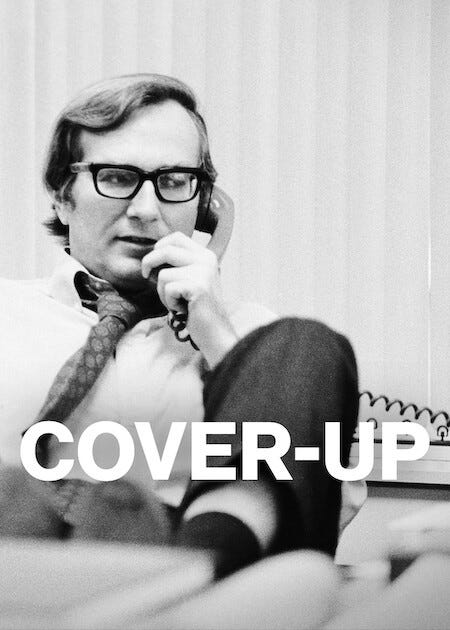
Netflix’s Cover-Up doesn’t open with spectacle. It doesn’t lead with chaos but with unease. It is a story that is 20 years in the making, but with information and unearthed truths that will last a lifetime.
Pulitzer Prize winning investigative journalist, institutional thorn, and historical disruptor Seymour Hersh sits before the camera—visibly uncomfortable yet with resounding resolve. Defensive and slightly irritated, he says quite bluntly, “This was all supposed to be after death.” That line alone sets the tone for a documentary less focused on celebrating legacy, rather it is a reckoning with the cost to get here.
Directed by Academy-Award winner Laura Poitras and Emmy-Award winner Mark Obenhaus, Cover-Up delicately traces Hersh’s career as a political thriller derived from real documents, real victims, and tragically real consequences. The film moves through some of the most damning revelations in modern U.S. history—the My Lai Massacre, CIA domestic spying and MKUltra, Watergate, Abu Ghraib—not as isolated events, but as part of a recurring cycle of violence, denial, and impunity.
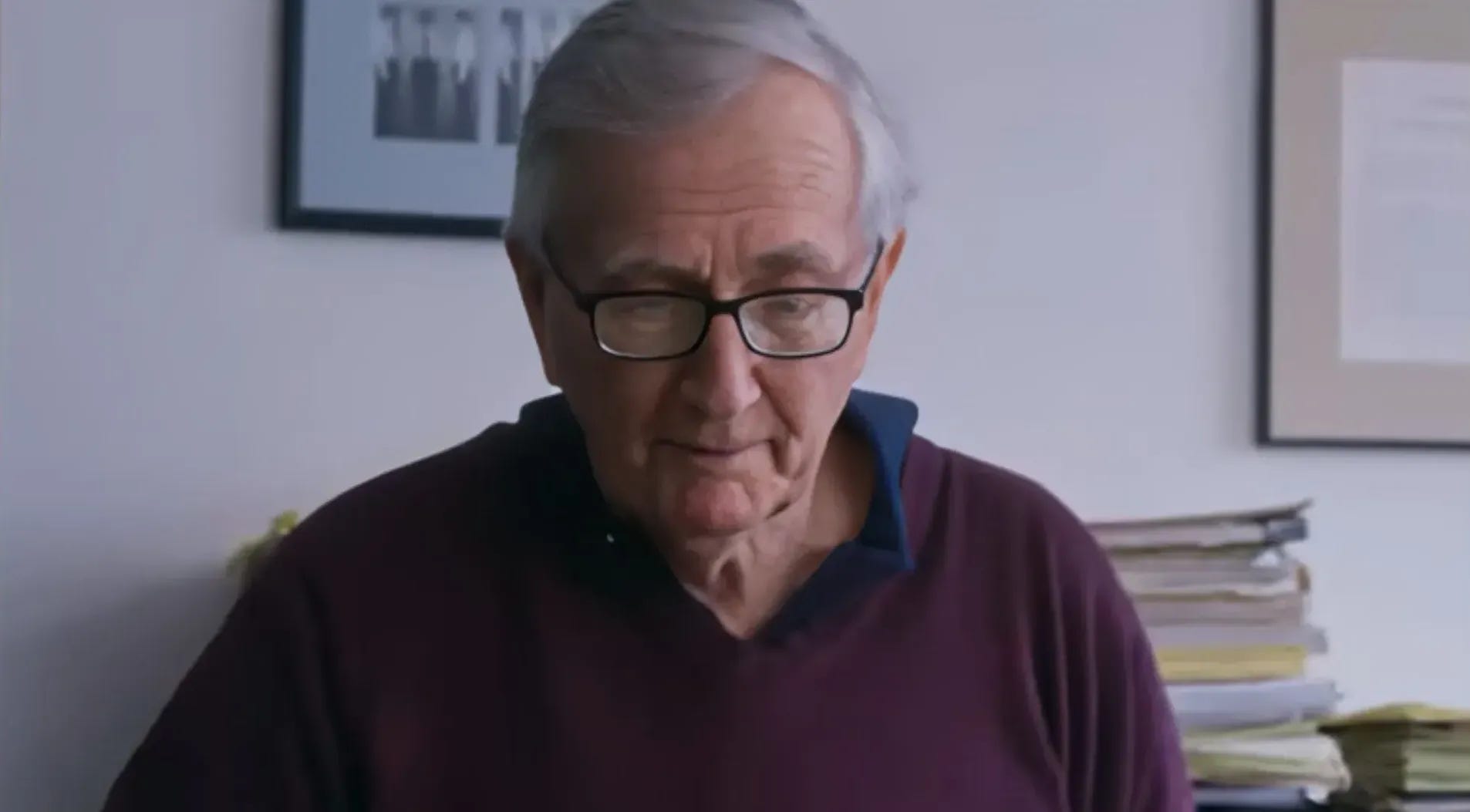
“Each day was another thirty years of life on my shoulders. It just got worse and worse and worse.”
What distinguishes Cover-Up from many documentaries is that it refuses to mythologize its subject, Hersh, and it refuses to distance the public via historical categorization from the horrific events caused, and hidden, by the government. Hersh, while at times struggling to relive the past, is certain to not paint himself as a hero, but as a mere witness who chooses not to turn a blind eye. Poitras, who first asked him to participate in 2005, captures a man who understands the cost of knowing too much for far too long. This makes the documentary that much more cathartic and chilling—not because it feels complete or comfortable, but because time has made the burden much heavier.
One such burden of knowledge is the chilling recount of the My Lai Massacre. An Army photographer documented My Lai using black and white film for official records, while secretly keeping color photographs that would later surface after Hersh published his story about it. Once the color photos were made public, the contrast between the two documentations becomes a thesis—black and white as distance, color as confrontation. Once the truth of destruction emerged, denial collapsed.
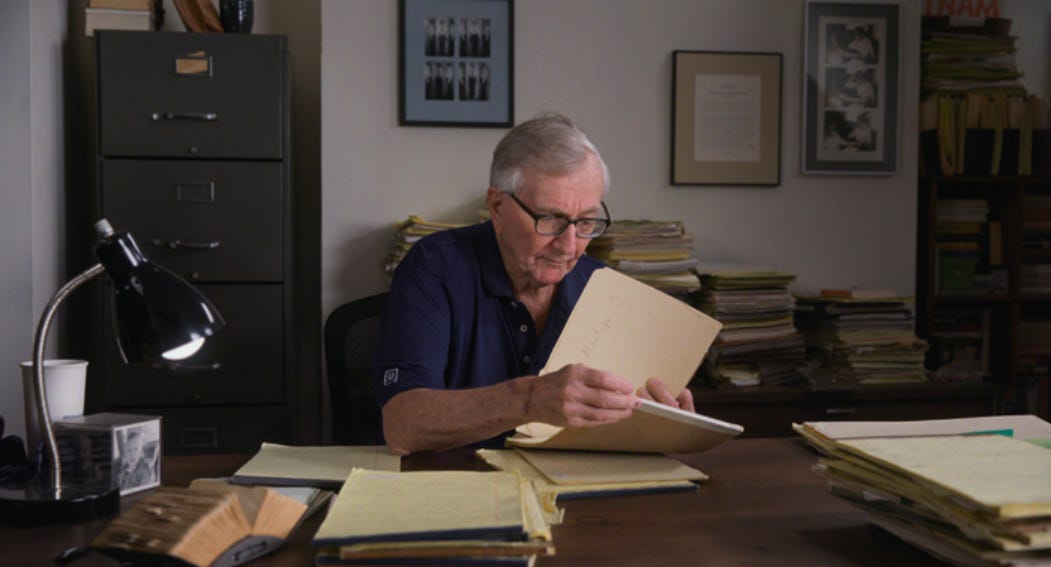
“We’re a culture of enormous violence.”
Cover-Up moves with the tension of a spy thriller—archival audio files, classified documents, redacted names, and rare footage stitched together with urgency and latent fear rather than nostalgia and proud reflection. It is both morally clear-eyed and politically unforgiving. This is not a documentary about the past. It is an indictment of the present. Cover-Up asks what happens when power is protected more fiercely than the people. It spotlights what it costs to tell the truth in a country that shows it punishes those who do.
Hersh never claims victory for his work. He is still largely regarded as a pain and a thorn in the political system. However, despite his reputation with the government, Cover-Up offers no resolution. What it offers instead is something rarer: memory and history—past and present—without rose-tinted lenses.
Cover-Up premieres Friday, December 26, only on Netflix. Check out the trailer below.