

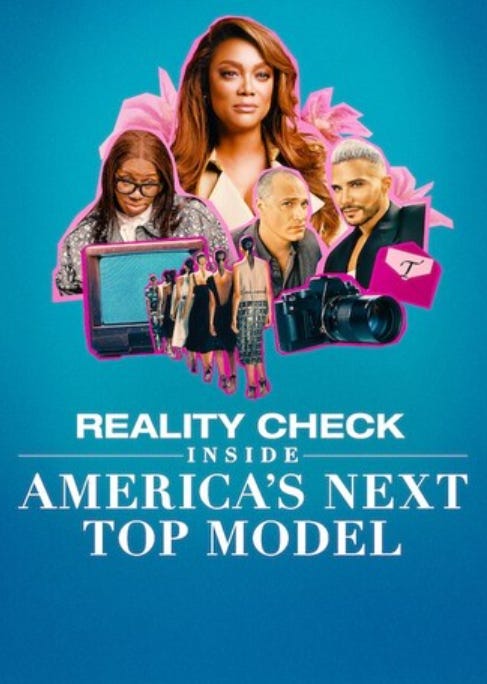
On February 16, Netflix dropped Reality Check: Inside America’s Next Top Model, the three-part documentary from directors Daniel Sivan and Mor Loushy, and if the title didn’t warn you, the content absolutely will. This documentary provides an inside look into arguably the greatest modeling competition show of all time, chronicling the rise, reign, and reckoning of America’s Next Top Model—the chaos both in front and behind the camera.
Netflix describes the documentary as “a look at how a glamourous launchpad became a pop-culture juggernaut fueled by explosive drama, public meltdowns, and controversies that still go viral today.” And after watching all three parts, I walked away with two competing timelines in my head: the teenager who watched the show religiously when it aired, and the adult who now understands the importance of consequence, responsibility, and accountability.
The Show That Raised a Generation
When ANTM first aired, the modeling and fashion industry already had a disgusting and sordid history of racism, misogyny, body dysmorphia, and abuse. Tyra Banks set out to change that. She wanted to create a space where people who felt “othered” could finally be seen and succeed.
The idea quickly bloomed and the powers that be transformed good intent into a bad reality.
What began as entrepreneurial ambition quickly turned into a reality check for the supermodel herself. Banks wasn’t just building a show—she became a pawn in the machine that is network television. From networks slamming the door in her face because they believed models were unintelligent and unlikable, to nearly coming to blows with Viacom president Mel Karmazin, the documentary makes one thing painfully clear: the show was set up for moral scrutiny from the very beginning.
UPN said yes but Viacom had a harsh condition.
Translation:
We want drama, not empowerment.
And drama is definitely what was served.
At the height of the series, teens and young adults were scandalized and sensationalized by the chaos. We went to school the next day with our own “watercooler” meetups—not just about the photoshoot fails and successes, but about the mess surrounding each of the contestants. But what we didn’t know then was that the message of empowerment was just a veil.


No One Can Outrun the Impact
The documentary features production alums like Ken Mok, Miss J Alexander, Jay Manuel, and Nigel Barker reflecting on their actions with regret, remorse, and uncomfortable humor—repeatedly reminding viewers that it was the “sign of the times” in hopes that the audience will reflect upon their own past behavior and offer sympathy and grace in the present.
But for the models, this isn’t a nostalgic trip down memory lane.
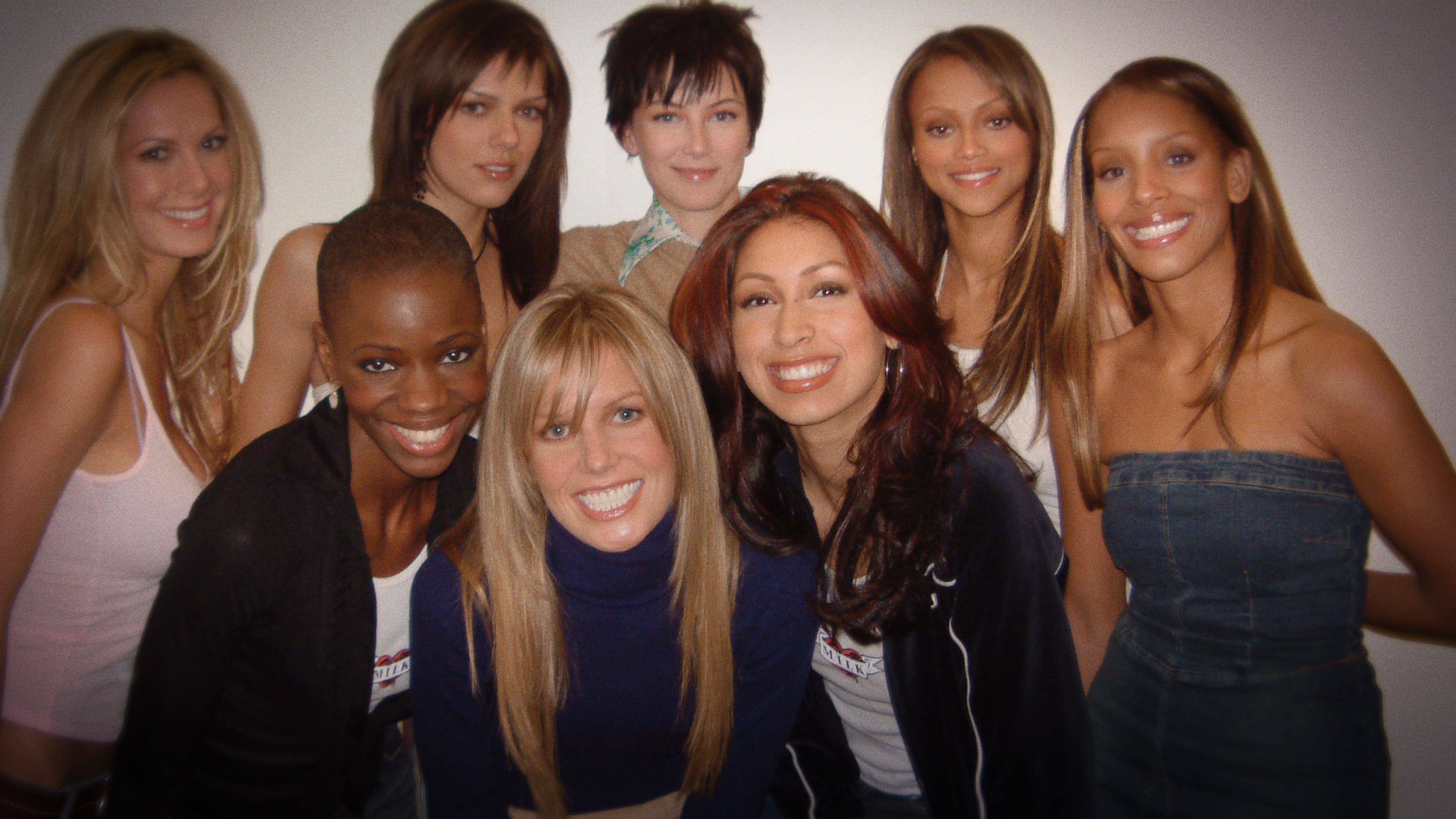
Contestants including Ebony Haith, Shandi Sullivan, Dani Evans, Giselle Samson, and Keenyah Hill speak openly about looking to Tyra as a mentor—only to watch their “shero” become the orchestrator of their worst experiences.
And yes, Tyra appears in the documentary. Her presence, however, sparked much debate online. While she acknowledges the wins and cultural shifts she helped usher in, many viewers couldn’t help but notice the deflection and limited accountability for the show’s darkest moments.






Tyra Banks: A Visionary, Victim, or Both?
The documentary stops short of blaming Tyra Banks for all of the unsavory moments. She built the show to platform outsiders, but the engine of ANTM accelerated faster than anyone expected, including Banks herself. As a brand-new executive producer navigating television for the first time, she was caught between modeling agencies dictating the models’ career paths (criticizing their weight, teeth, bone structure) and network executives demanding more spectacle.
However, even with the purest of intentions when filming Season 1, Banks still became the monstrous product of her own empire. For that, she bears the blame and ire of the models whose lives she negatively impacted. Tyra failed to uproot the nastier parts of the very industry in which she was embedded since she was a teenager. Her lack of self-assessment and internal restructuring was always going to lead her down this road.
In trying to change the industry, she became the worst parts of it.
Does America Want Another Top Model?
The timing of this documentary is as poetic as it is questionable, as Tyra announced that America’s Next Top Model will return for Cycle 25. She promises growth, reflection, and change. But her participation in the documentary leaves one massive thought lingering in the air:
Did Tyra do the work to actually enforce these changes? If not, a revival risks becoming nothing more than an uglier clone of its original self.
Thus, the million dollar question: can this format survive in 2026?
If you haven’t watched Reality Check: Inside America’s Next Top Model, head to Netflix. If you have, where do you land? Can a show like ANTM actually be both positive and successful today? Or will the industry’s craving (and let’s face it, the fans too) for drama keep recycling the same trauma?
Checkout the trailer for Reality Check: Inside America’s Next Top Model below and stream now on Netflix.