‘The Gilded Age’ Season 4 Episode 3 Is a Story of History and Black Love
Peggy and William finally walk down the aisle, celebrating their marriage and historical tradition as a reminder of the love and sacrifice that made their wedding possible

NOTE: This article contains spoilers. Read at your own will.
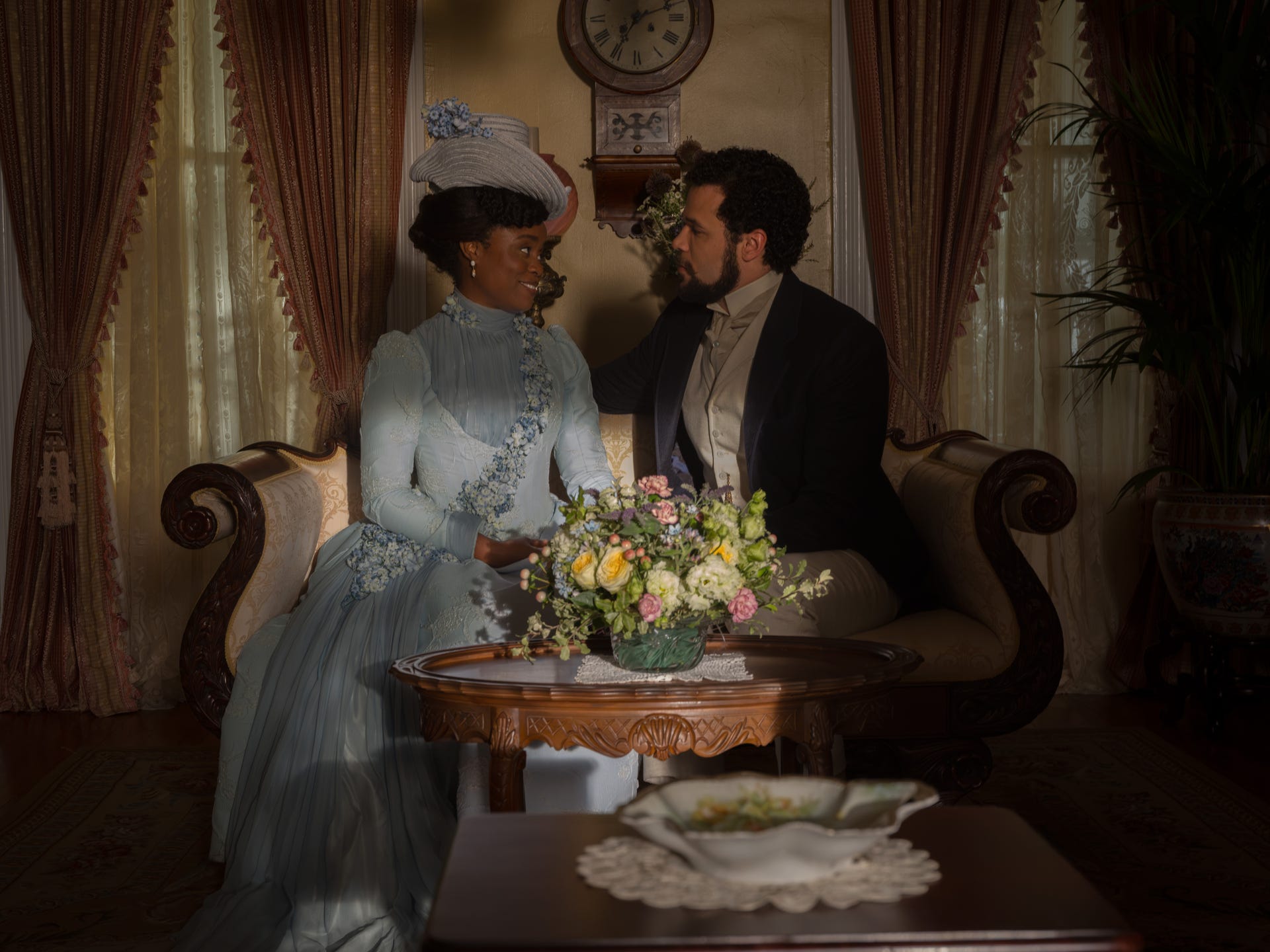
“Meet me at the altar in your white dress!”
After meeting Peggy in Season 1 of The Gilded Age, we have followed this fierce and confident young woman as she navigated complicated family history, a career, and a love life.
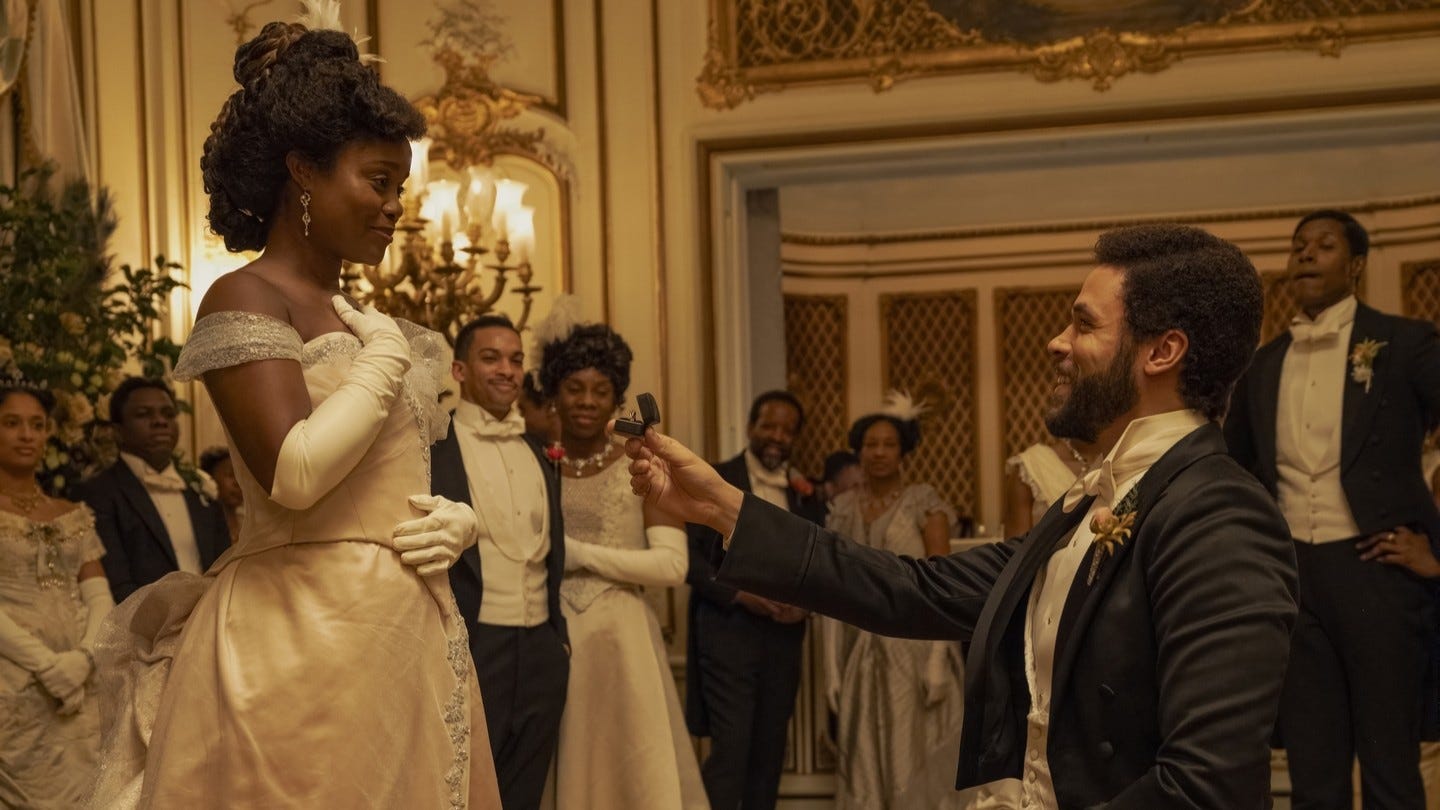
Now, in “Ain’t That Good News,” we finally see her walk down the aisle to a man who loves her fully, respects her deeply, and is willing to stand by her side no matter the opposition.
This is a love worth celebrating over and over again.
Peggy and William’s wedding isn’t just a beautiful moment for two characters whose love story has captured our hearts.
It’s a celebration of Black love.
Black history.
And the generations of people whose commitment to one another existed long before the law recognized their right to marry.
He Who Finds a Wife
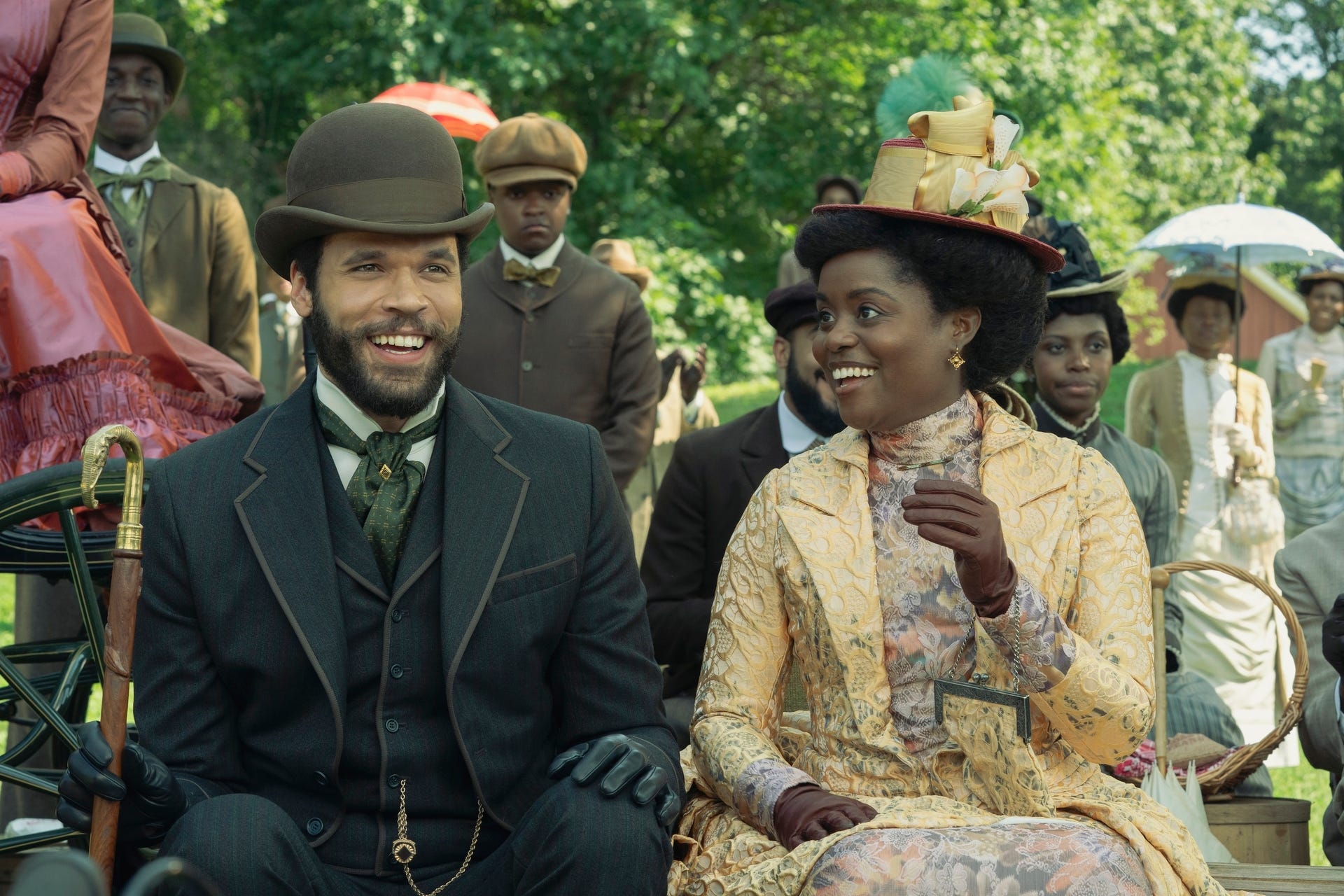
“Ain’t That Good News” opens with a stroll, hand in hand, as William and Peggy count down the final hours before they are to be wed.
But before the day ends, William has a surprise for her.
A new home.
Their new home.
Already, William is shaping up to be the man Peggy believes he is, and the house is more than a place to start their new lives together.
William makes the purchase with a thoughtfulness that centers Peggy’s comfort, safety, and familiarity. It’s far enough away from his parents for her to have peace away from Elizabeth, and also right around the corner from her cousin Athena’s house, which gives her a piece of home in case she ever feels lonely.
The gesture shows William in a way the script hasn’t yet fully revealed—he understands her enough to not box her in but to help them build something new.
And in a society where the woman is expected to just conform, and for Peggy, whose past bears scars of heartbreak, loss, and a fight for autonomy, the house represents far more than even she can imagine.
William isn’t asking Peggy to sacrifice her ambitions or identity to become Mrs. Dr. William Kirkland.
She’s being welcomed into a partnership.
One in which her voice matters.
Her happiness matters.
And her family matters.
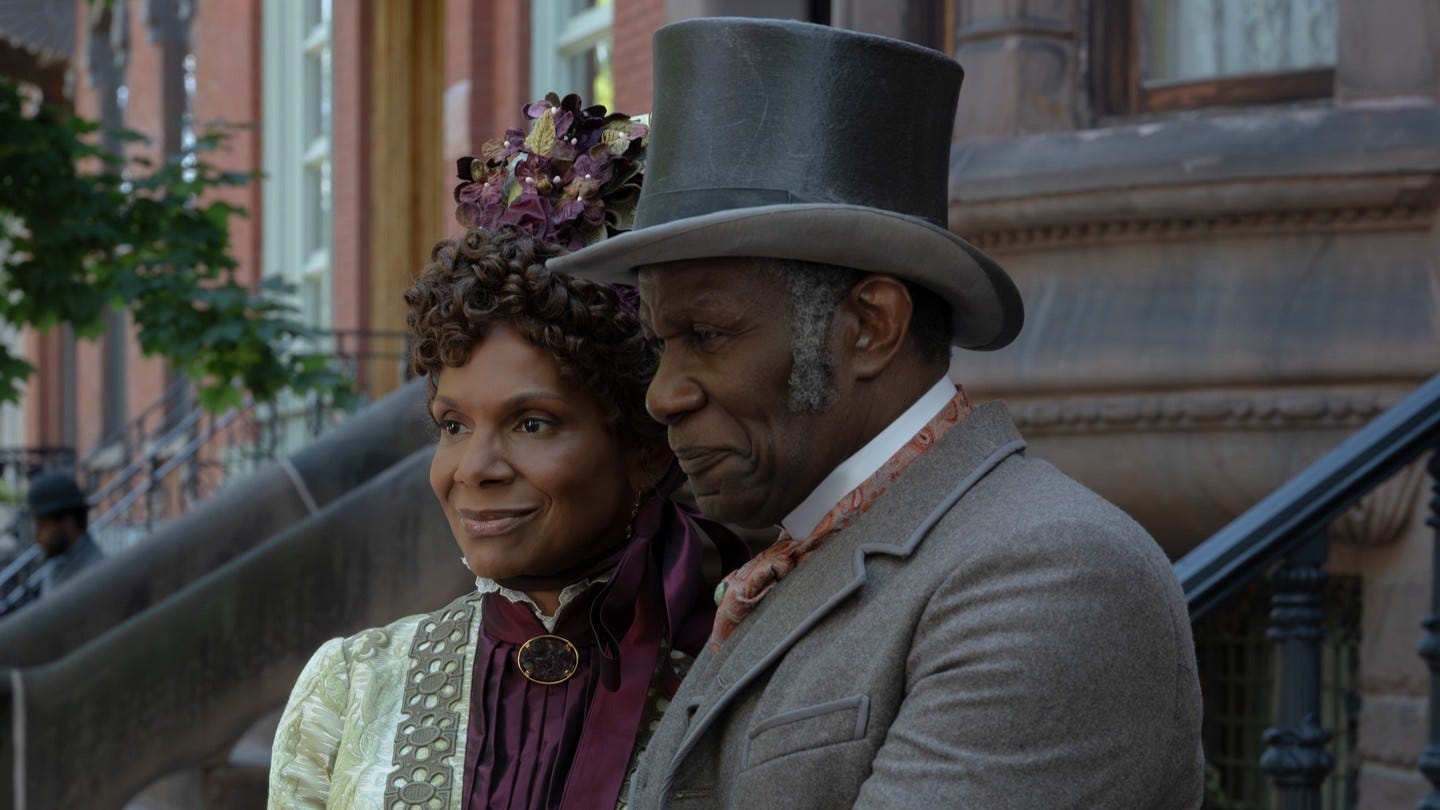
But as the Scotts and Kirklands gather to celebrate the upcoming nuptials, a wedding gift from Peggy’s father introduces a conflict that reaches far beyond the two families: the jumping of the broom.
An heirloom.
A symbol of history and the time when Black American unions weren’t protected by law.
For Arthur, it’s a reminder of all he and his people have overcome.
For Elizabeth, it’s a reminder of a past she would rather leave behind.
But for Peggy, it’s a reminder of the sacrifices made for her generation to experience a freedom her ancestors fought for.
Our Future is Written in the Past
To grasp the magnitude of Arthur’s gift, we must first take a brief stroll down the history of Black marriages in America.
During slavery, two enslaved individuals had no legal claim to marriage or legal protections against those who claimed ownership over their lives and their children’s lives.
Against all efforts made to divide them, Black people still found a way to recognize their unions, one of which was the jumping of the broom.
Over time, the practice became a part of Black American history and marriage traditions, and it is still practiced today.
For generations, jumping the broom became a way to acknowledge love, commitment, and resilience in the face of a society that refused to recognize Black people as human, let alone legalize their formal unions.
That’s what makes Arthur’s gift so powerful.
The broom isn’t just a reminder of what he and Dorothy endured; it’s a reminder of what they built in spite of their endurance.
A family.
A daughter.
Someone to carry forth the legacy and the history of her people, with the freedoms she has today.
And when Elizabeth challenges those customs and the history of her people, the jumping of the broom in spite of her protestations becomes a part of what makes Peggy’s near-fairytale story so extraordinary.
Peggy doesn’t have to choose between honoring the past and embracing the future.
She can have both.
Black Audiences Deserve Their Happily Ever After Too
There is something extremely powerful about watching Peggy’s story unfold in a series that was never afraid to highlight the racial and social divisions of its period and is doing so without the degradation that often appears in work that claims to portray “historical accuracy.”
Black love in historical storytelling has often been examined through suffering, a suffering that is an undeniable part of American history.
But that’s just one part of the Black story in America.
The other part is rooted in unfiltered and unadulterated joy.
Romance.
Celebration.
Black families built homes and futures together that inspired modern terms like “Black Girl Magic” and “Black Boy Joy”—cultivating an energy that has everyone wanting an invitation to the cookout.
Black American history involves people who love one another so fiercely in the face of a world that attempts to break their will to do so.
And Peggy and William’s wedding allows us to witness that joy without separating it from the history that surrounds it.
That type of storytelling is profound.
For Black couples who continue the tradition of jumping the broom, the ceremony serves as a connection to the generations who came before them.
For others, the choice to incorporate spirituals, family heirlooms, or cultural customs into a wedding serves as an opportunity to define what their ancestry means within their relationship to their Black identities.
There’s no single way to honor that history.
And our portrayal of honoring that history shouldn’t have to be experienced through pain.
Because after everything Peggy has endured, her happiness doesn’t come at the expense of her identity; it expands it, giving her a happily ever after that Black audiences deserve to witness.
She gets the wedding.
The family.
The man who loves her.
And a future that belongs to her.
WE WON, CHILE!
And this time, Peggy starts her new journey as “Mrs. Dr. William Kirkland” with pure joy.
Want more analysis for your favorite shows? Subscribe to get them directly in your inbox. Have a suggestion? Leave a comment.
The Gilded Age Continues
Kivonshe—founder of So There’s That—is a film & TV critic who explores compelling storytelling, fandom relationships, character psychology, and the impact of entertainment media through film reviews, episodic recaps, and in-depth theme analysis.
© Kivonshe | So There’s That
Original editorial commentary, criticism, and analysis. Unauthorized reproduction, republication, redistribution, or adaptation of this content, in whole or in part, is prohibited without prior express written permission from the copyright holder. Attribution alone does not constitute permission.
Discussion about this post