

NOTE: This article contains spoilers. Read at your own will.
Ambition Is a Dangerous Game
“Please help me, Mr. Baylor.”
USA Network’s hit series The Rainmaker returns and takes us into a juvenile detention center at the start of Episode 1, “Dear Uncle Rudy,” with Victor Suffredes—a young boy seeking someone courageous enough to help him with his case.
The introduction of young Victor, played by Asher DeLand, establishes the moral stakes of the premiere. But The Rainmaker doesn’t linger in the deep end.
Not yet.
Instead, it takes us duck hunting.
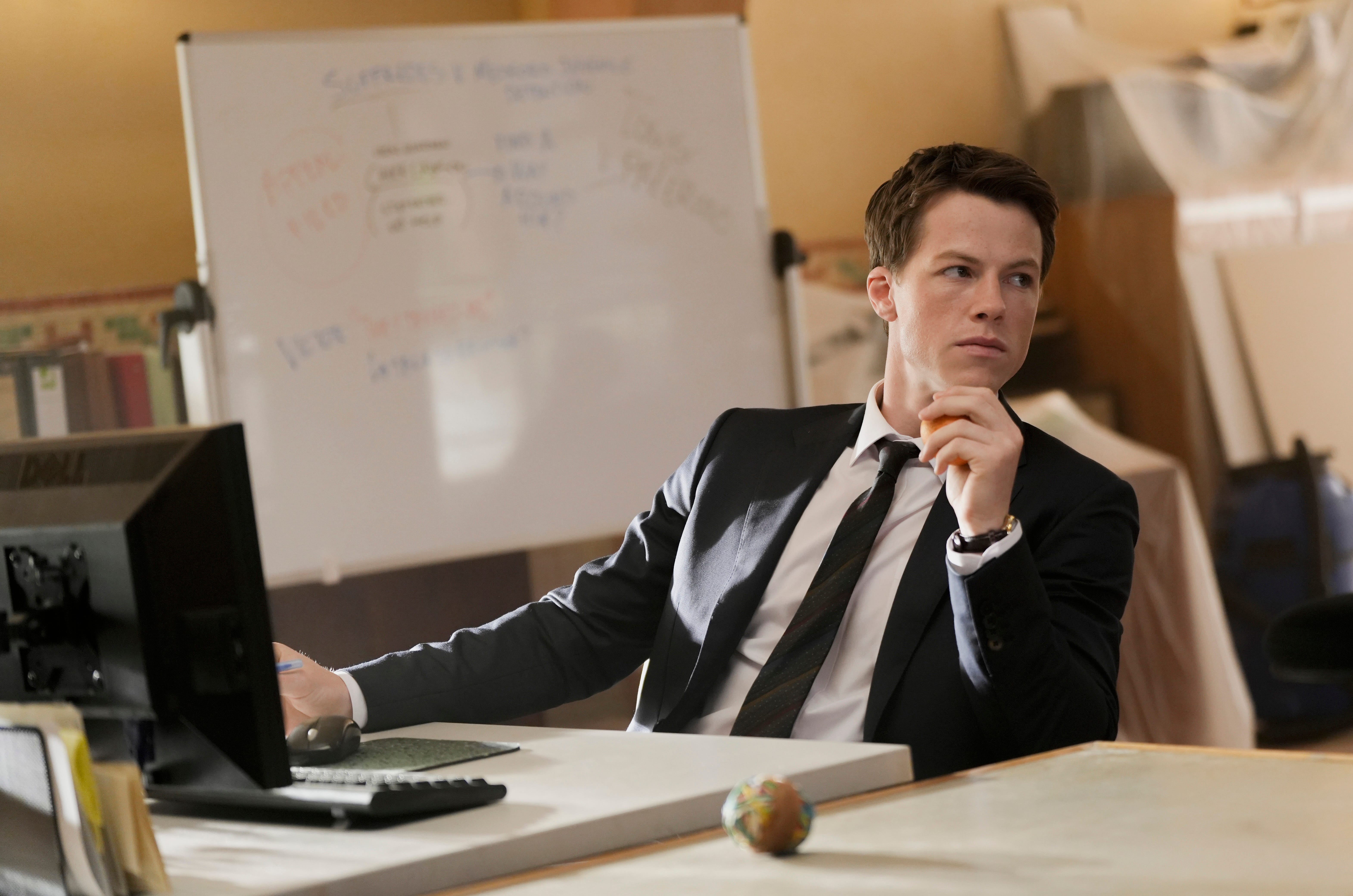
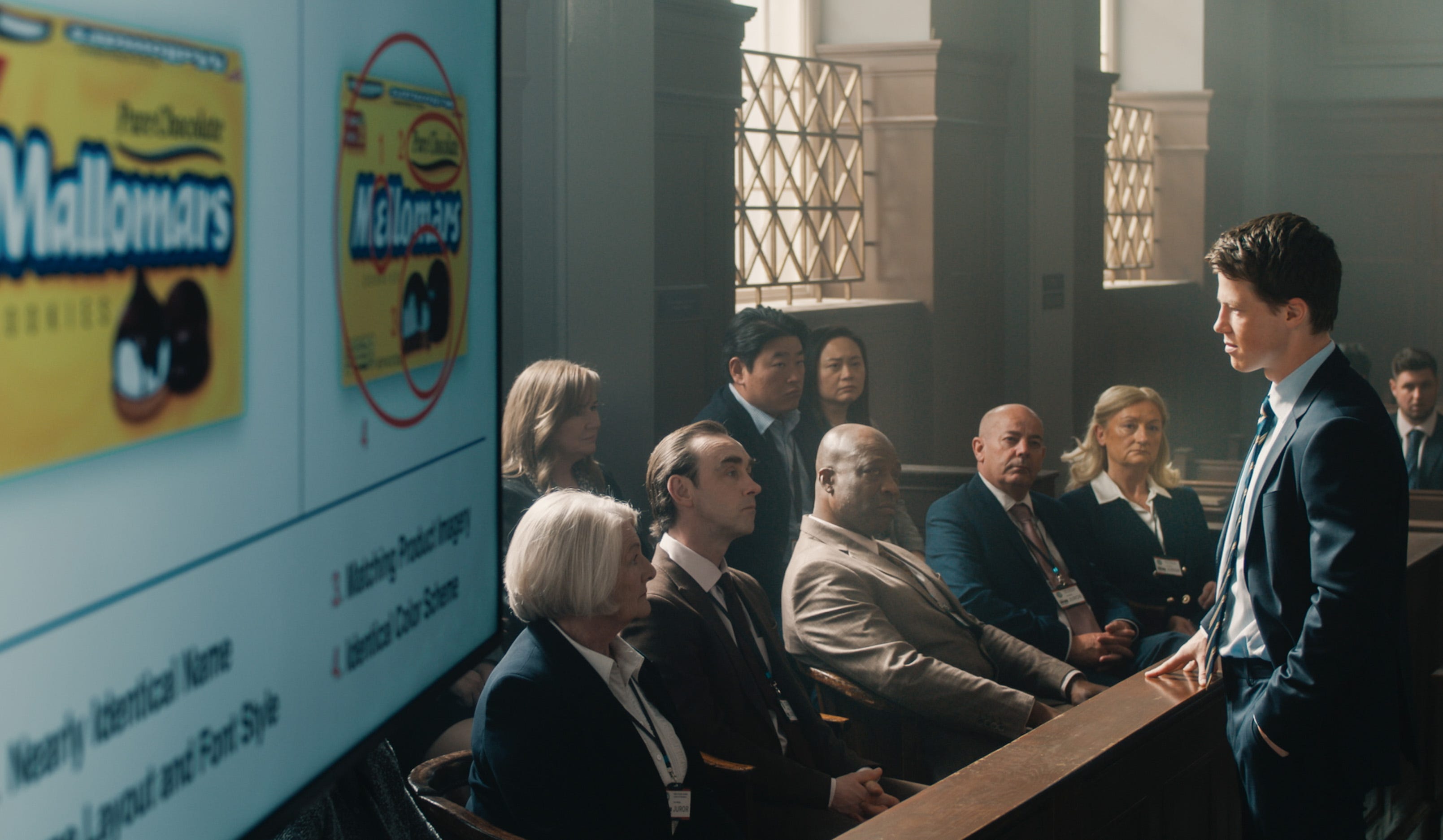
While Bruiser and Deck work on J. Lyman Stone and Associates’ latest case with a major snack company, Rudy is out hunting with a law firm looking to capitalize on his Great Benefit Hospital victory.
At just 26, Rudy is being offered a partnership—an opportunity to have his name etched into a law firm and secure the kind of recognition most young lawyers spend years chasing.
But where Rudy sees an extraordinary opportunity, Bruiser sees the dangers of his inexperience and untamed ambition.
“Fletcher Kincaid thinks you’re a celebrity. They’re using you.”
To Bruiser, Rudy’s sudden “celebrity” isn’t just an opportunity for him to advance. It’s an opportunity for others to exploit his ambition for profit before he fully understands how much it will cost him in the long run.
Season 1 highlighted the friction between Bruiser and Rudy, often placing them on opposite sides of the same argument. But his determination to do right by his clients eventually forced Bruiser to look beyond his age and recognize his abilities as a formidable lawyer.
In “Dear Uncle Rudy,” his youth and inexperience come back into focus, only this time Bruiser’s resistance feels less like criticism and more like protection.
From law sharks and from himself.

“I was convinced I was doing my job.”
Where Bruiser appears determined to keep Rudy out of the shark tank, Sarah unknowingly walks right into one.
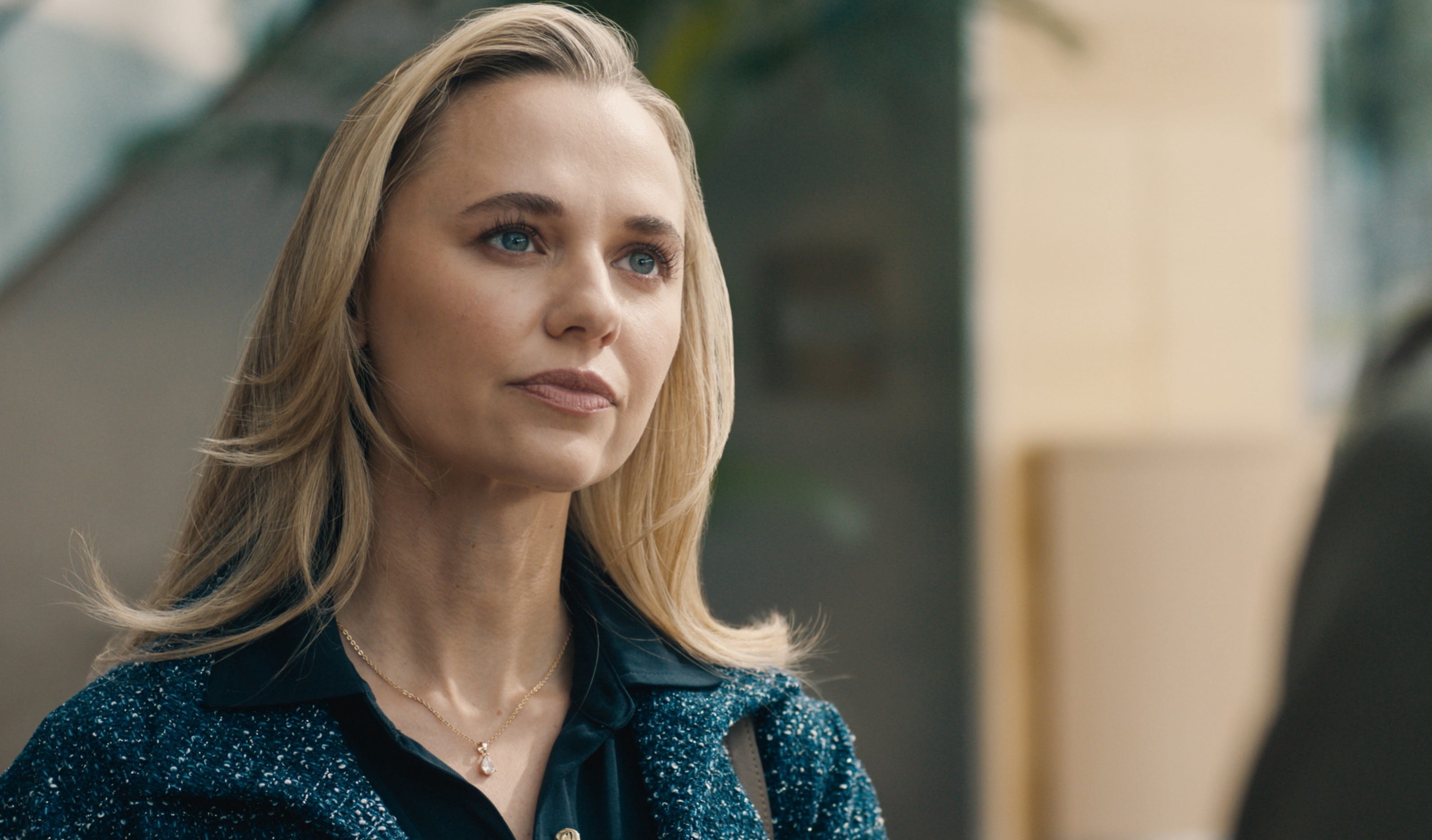
After repeatedly contacting Amanda Vonn’s office in search of a new start, Sarah finally finds herself in the same room as the woman she admires.
But what do they say about meeting your heroes?
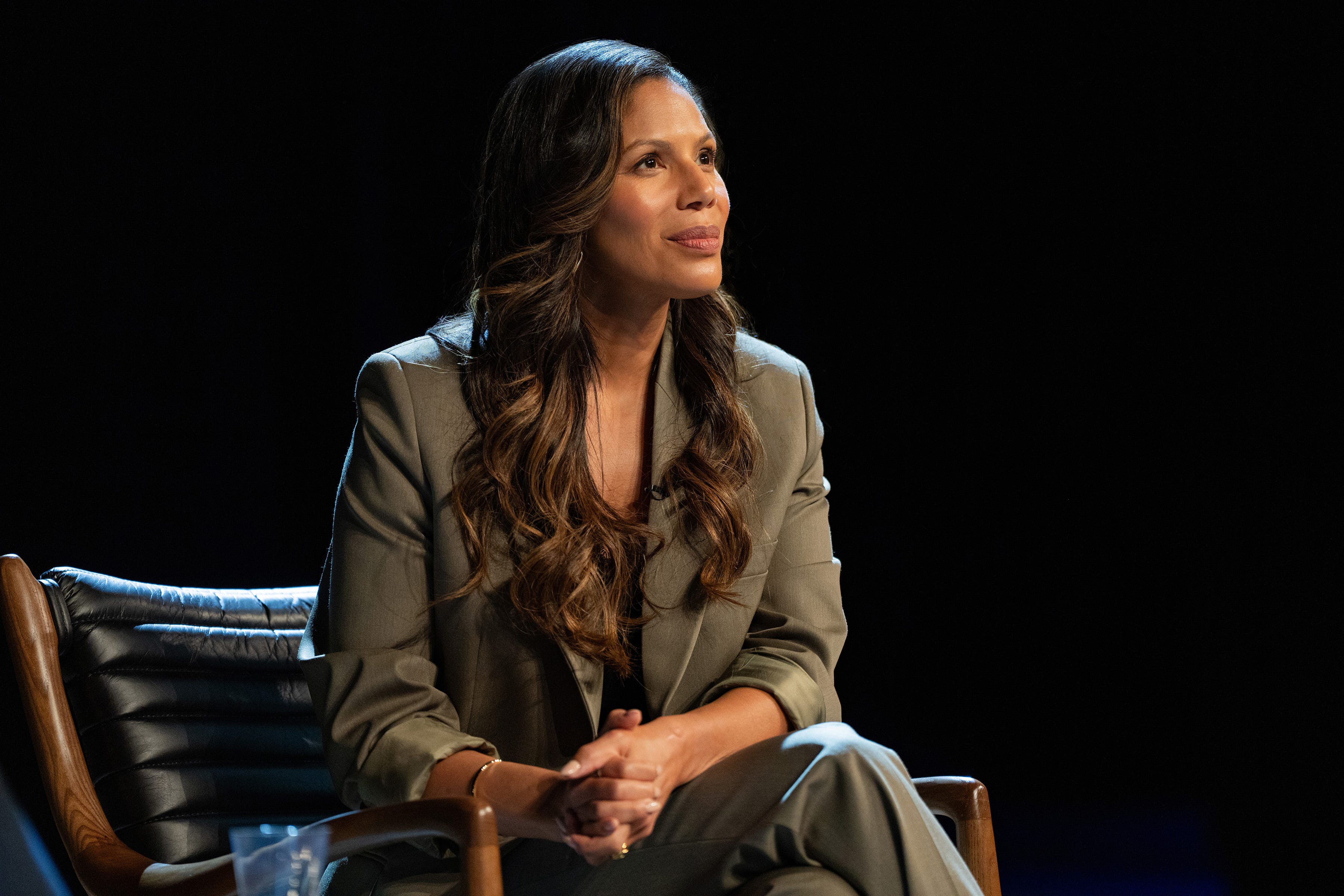
Sarah gets bitten by her own ambition as Amanda skillfully and surgically dissects her past year—her major loss, her bosses now in jail—before rejecting her pitch and leaving Sarah to stand in the consequences of her decisions.
But Amanda doesn’t simply reject Sarah. She demonstrates just how much power she holds over Sarah’s professional future.
Losing a case isn’t always the end of the world, but in the aftermath of Great Benefit, Sarah learns something fundamental from this exchange:
It’s all about who you know.
And Amanda appears to know everything and everyone.
Amanda understands the professional cloud hanging over Sarah’s career, but more importantly, she recognizes how Sarah’s ambition and questionable decisions brought her to this point.
Everyone else involved in the case faced consequences. Yet, somehow, Sarah emerged “clean” despite the damage to her reputation that followed.
As we explored in our spoiler-free Season 2 review, Sarah’s unwillingness to see how she played a role in the Great Benefit fallout remains a challenge she has yet to confront.
But “Dear Uncle Rudy” introduces a more immediate concern:
Sarah has found another powerful attorney she idolizes—one who recognizes her vulnerabilities and knows exactly how to use them.
New Players, Old Battlegrounds
“Dear Uncle Rudy” takes a quick departure from Rudy and Sarah to bring more focus on Bruiser and Deck.
Bruiser’s ex-husband, Tom, returns to her life like a bad omen, seeking legal assistance for a member of the minor league baseball team he coaches.
But his request comes with baggage—a vintage grudge that Bruiser has carried since discovering his infidelity during a surprise visit to one of his games, all while he was leaving a voicemail about how much he missed her.
Messy, much?
We met Bruiser as a no-nonsense, hard-knocked woman who holds her tongue for no one. However, Tom’s presence allows us a glimpse into a softer version of her that we’ve rarely seen.
A version she guards with her life.
Between her complicated relationship with her father and Tom’s betrayal, Bruiser has learned to protect herself by keeping everyone at arm’s length.
Tom’s sudden reappearance threatens her carefully maintained defenses, picking at old scabs that may complicate her judgment and the life she’s worked to build.
When Tom serves her with a subpoena in an attempt to forcefully involve her in his case, she goes to his house to confront him and the woman he cheated on her with.
But Bruiser doesn’t take anything lying down, and above all, she will get paid for the inconvenience.
Tom may have strong-armed her into taking on his case, but Bruiser walks away with something else—something that offers a little satisfaction for a decades-old betrayal:
His dignity and a Birkin bag.
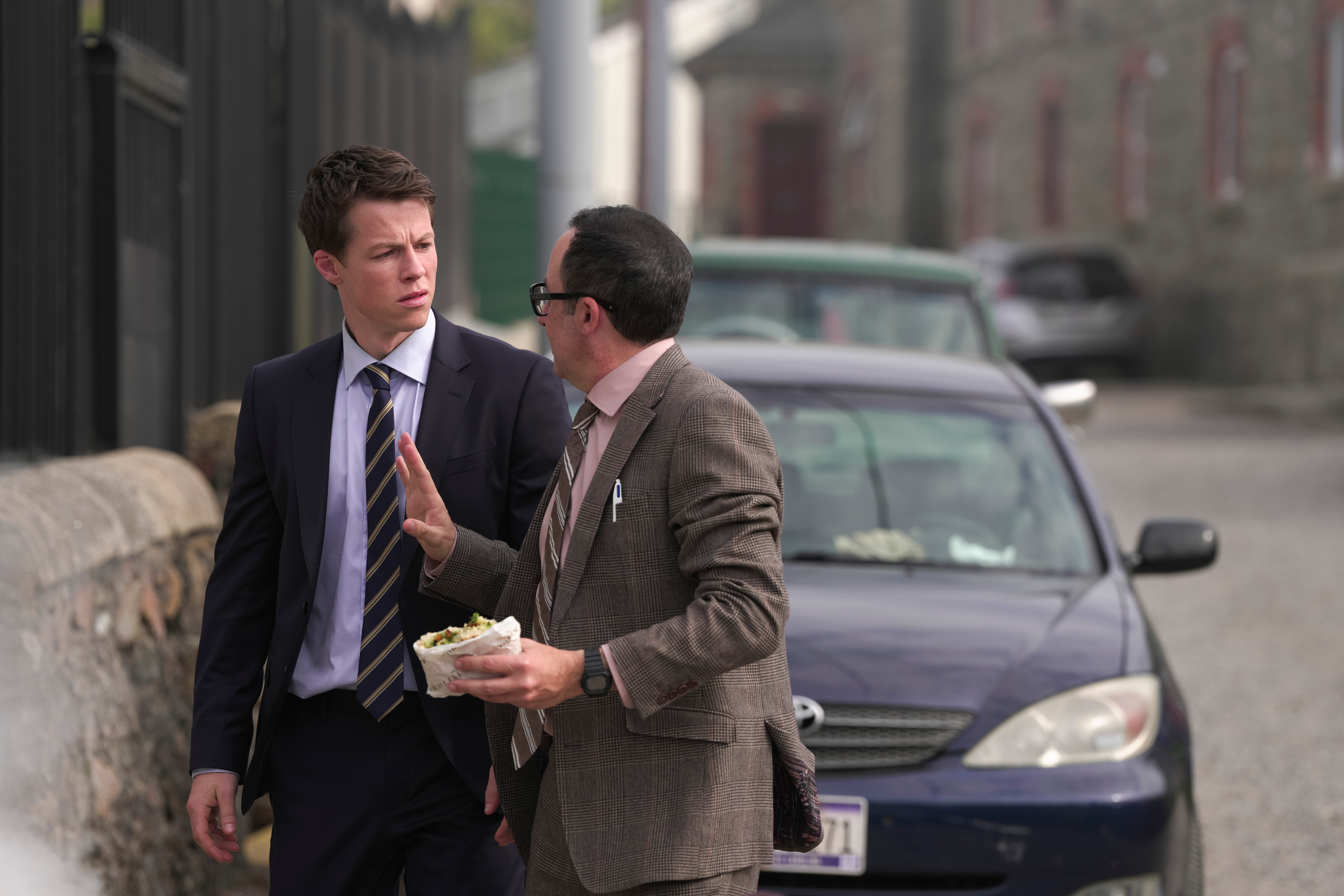
With the snack company case settled and Tom being dismissed by Bruiser, Episode 1 comes back to one of the season’s primary focuses:
Victor.
Deck finds the letter addressed to Rudy—decoding the message to reveal a clever but frightening request:
“Help me.”
Victor’s case gives the audience a chance to see Deck in a different light. Known for his bright outlook, jokes, and bubbly personality, Deck visits Victor’s stepfather only to find a parent who couldn’t care less about his child’s well-being.
But rather than changing Deck’s personality, this encounter uncovers another layer of it.
His compassion becomes a form of advocacy, taking the optimism we’ve come to love and making it something more purposeful.
For the first time, Deck isn’t just Rudy’s sidekick in the pursuit of justice—he’s the one reminding Rudy why the pursuit matters.
“It’s not about the fight; it’s about who you fight for.”
Deck convinces Rudy to go with him to the juvenile detention center and learns that there’s more to Victor’s case than meets the eye.
Beaten and bruised, Victor pleads with Rudy to examine his case. He doesn’t deny hacking into the school’s system as a prank. Instead, he insists the judge tricked him.
What Victor thought would result in a verbal reprimand became the confession used to put him behind bars for three years.
As Victor gets dragged away, with both fear and a pleading look in his eyes, Rudy makes what feels like an easy decision:
He’s taking the case.
And Bruiser is on board.
At the beginning of the episode, Rudy was being courted for the celebrity and prestige his Great Benefit victory brought him.
By the end, he’s choosing a far less glamorous case, but one with considerably more at stake for the boy who risked his safety to find him.
It’s a return to the moral compass that defined Rudy in Season 1—and a reminder that becoming a successful lawyer and the lawyer people need aren’t always the same pursuit.
This takes “Dear Uncle Rudy” down an unexpected path when Rudy files a guardianship petition for Victor.
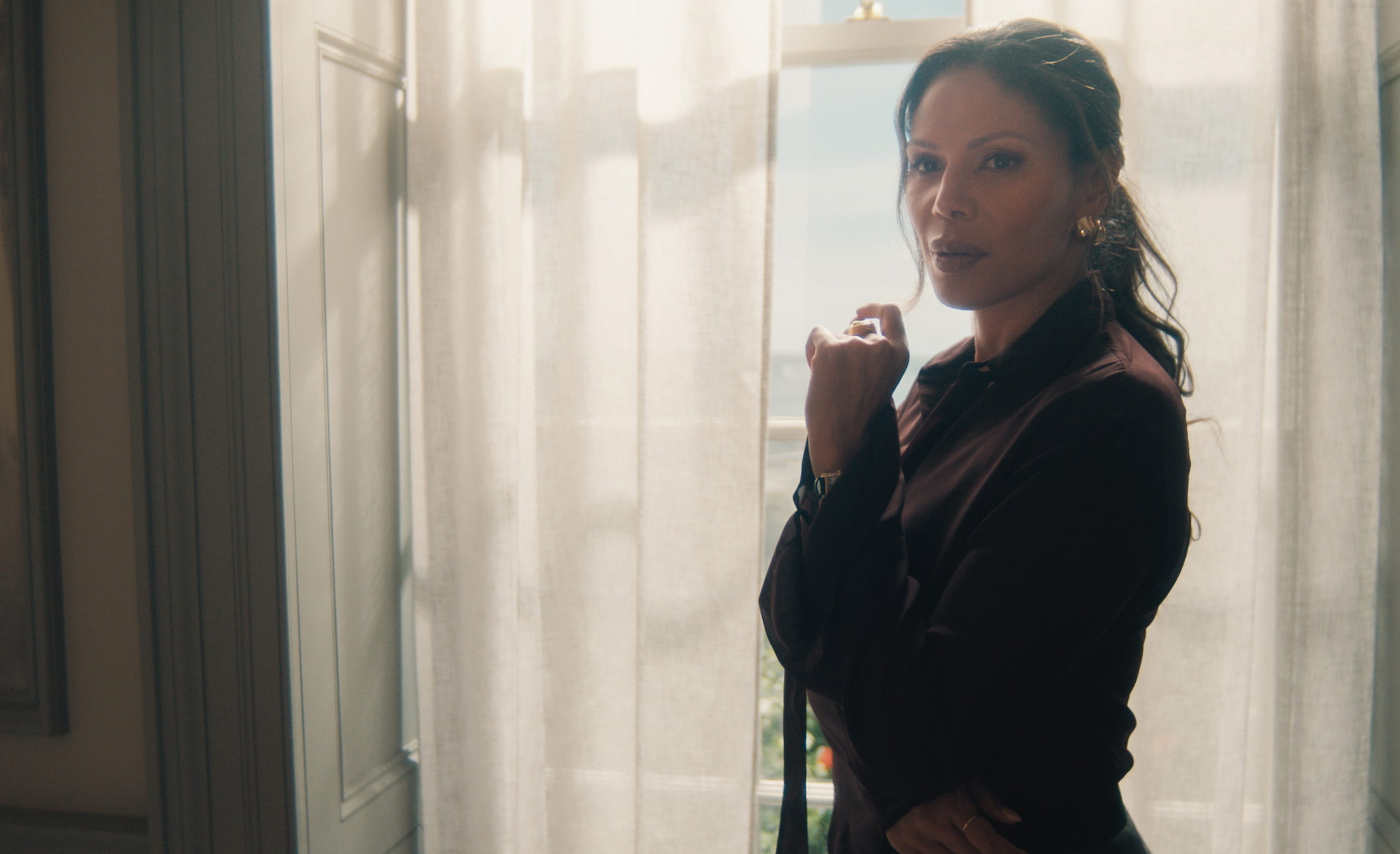
A filing that lands in Amanda’s office.
The petition not only brings back beloved Season 1 character Dot Black (Karen Bryson), it plants the seeds for Sarah and Rudy becoming courtroom adversaries once again.
Only this time, Amanda is the one engineering it all.
And Sarah has no idea it’s even happening.
“You’re an opportunist.”
We don’t know yet how much Amanda’s presence will influence Sarah’s decisions, but “Dear Uncle Rudy” makes one thing extremely clear:
Sarah’s vulnerabilities and ambitions will be used to Amanda’s advantage.
And judging by the smile on Sarah’s face, even after Amanda’s barely veiled insult, Sarah may be willing to overlook the warning signs if it means getting back in a courtroom again.
The episode closes with a dark orchestral buildup and a tight close-up on Amanda’s face—a visual declaration that a new antagonist has emerged.
She’s positioning the players on the board, and she’s not interested in playing by anyone’s rules but her own.
This leaves only one question for viewers:
Will Rudy be ready?
Want more analysis for your favorite shows? Subscribe to get them directly in your inbox. Have a suggestion? Leave a comment.
The Jury Selection
© Kivonshe | So There’s That
Original editorial commentary, criticism, and analysis. Unauthorized reproduction, republication, redistribution, or adaptation of this content, in whole or in part, is prohibited without prior express written permission from the copyright holder. Attribution alone does not constitute permission.
Kivonshe—founder of So There’s That—is a film & TV critic who explores compelling storytelling, fandom relationships, character psychology, and the impact of entertainment media through film reviews, episodic recaps, and in-depth theme analysis.