


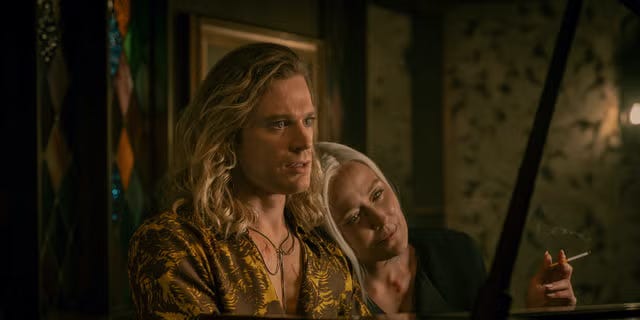
“Escape was not an option for Gabriella Vece...The Marquis promised preservation and delivered her ruin.”
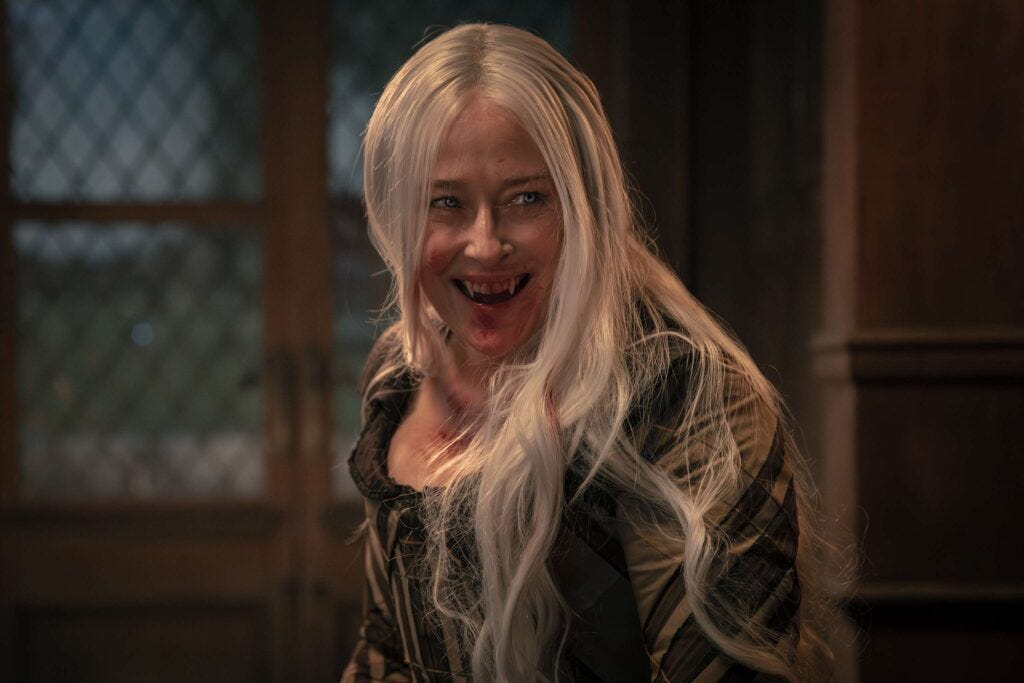
For the entirety of Interview With the Vampire, Gabriella is absent. A story, a distant memory, Lestat may have told Louis to silence his many questions.
But in The Vampire Lestat Episode 2, “Toledo,” Lestat pulls the curtain back on the uncomfortable truth of who she truly is in his life and how she influenced every intimate relationship thereafter.
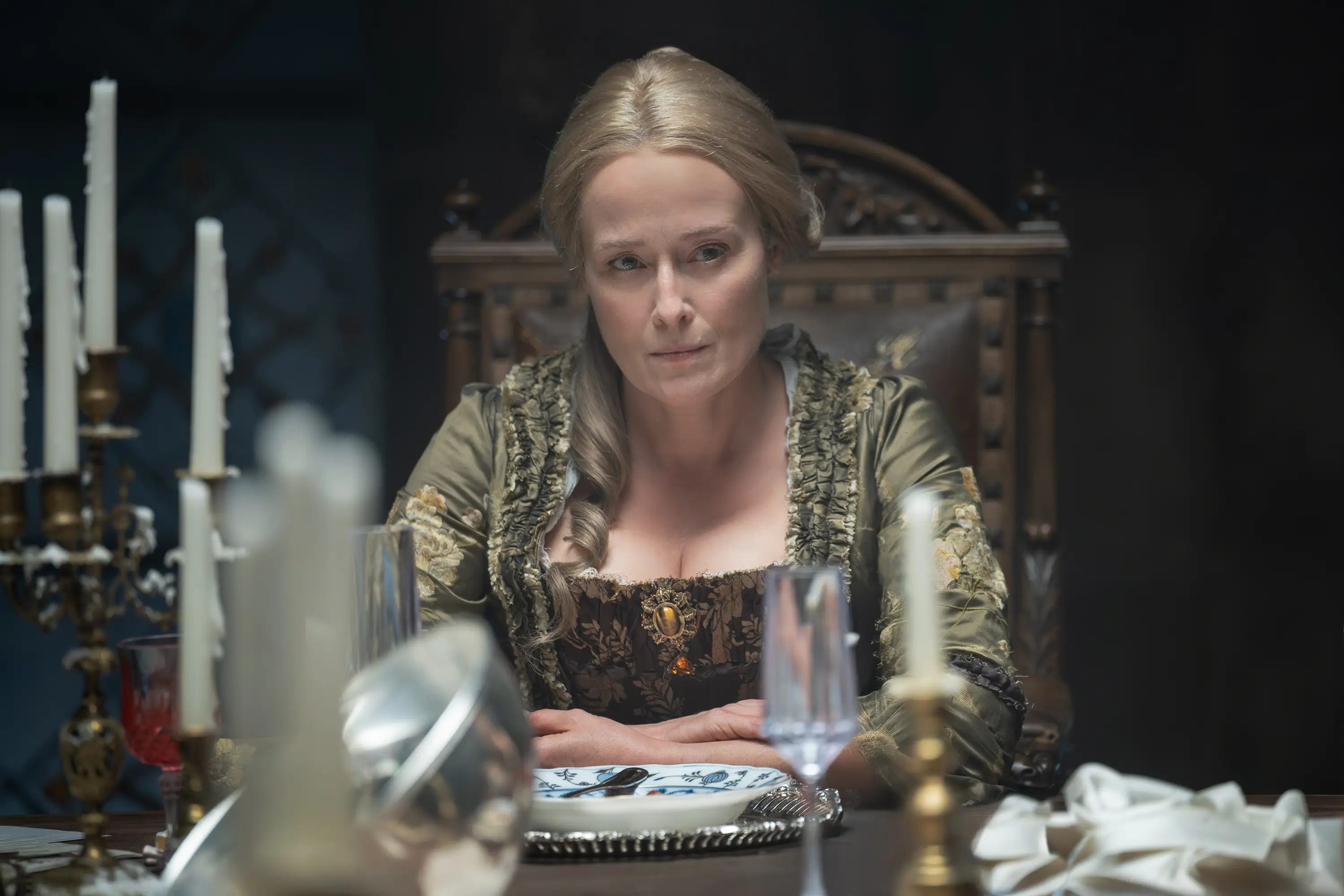
Before Gabriella became an elusive vampire, she was a woman with dreams ahead of her time, trapped in a life she didn’t choose.
Forced into marriage at fifteen.
Forced to bed with a vile man that resulted in several children.
Those that drew breath grew in the image of the man she despised the most.
All except for one.
Her Lestat. Her reflection. Her dreams, aspirations, and her longing for a better life wrapped in a near carbon copy of her flesh and bones.
And it is in that longing that “Toledo” exposed one of the most important truths. But it is not a truth about Gabriella.
It’s a haunting truth about Lestat.
The Only Escape Was Death
Opening the episodes with flashbacks to Auvergne, Lestat’s voiceover, carried by a light tune and the fluttering of his tone and cadence, lures you into the glossy portraiture of a beautiful life.
Opulence. Food. Status. Power.
But as the story unfolds, Lestat can no longer hold on to the truth, exposing the audience to immoralities and violence beneath his newly painted picture.
The truth of Gabriella is a woman who was suffocated by the weight and responsibility of being titled and tethered.
Tethered to a life and people she abhorred with all of her being.
Her escape from societal duties anchored her to her torture, so her solace became her books.
Her silence.
Her empty presence took up space in a room where at least one person looked to her for safety and for peace.
But judging Gabriella through the lens of motherhood is easy. And Lestat’s narration—gliding over horrific details as if they’re but a mere scratch upon the flesh of his 265-year existence—makes it feel like a demand to do so.
However, “Toledo” pleads with us to sit within the complications. Not to absolve Gabriella of her wrongdoings, but to understand the context of her own confinement and how it created the blueprint for Lestat to construct a prison for his unreturned love.
During The Vampire Lestat: After Dark, Hannah [Moscovitch] highlighted the tragic reality of a lack of identity and autonomy in Gabriella’s life.
This was made even worse by giving birth to children she detested...except for Lestat.
Lestat became the vessel of everything that was stripped from her.
These desires whirled inside her so much so that they transformed into something deeply unsettling.
She no longer saw Lestat as her son. In him, she saw freedom.
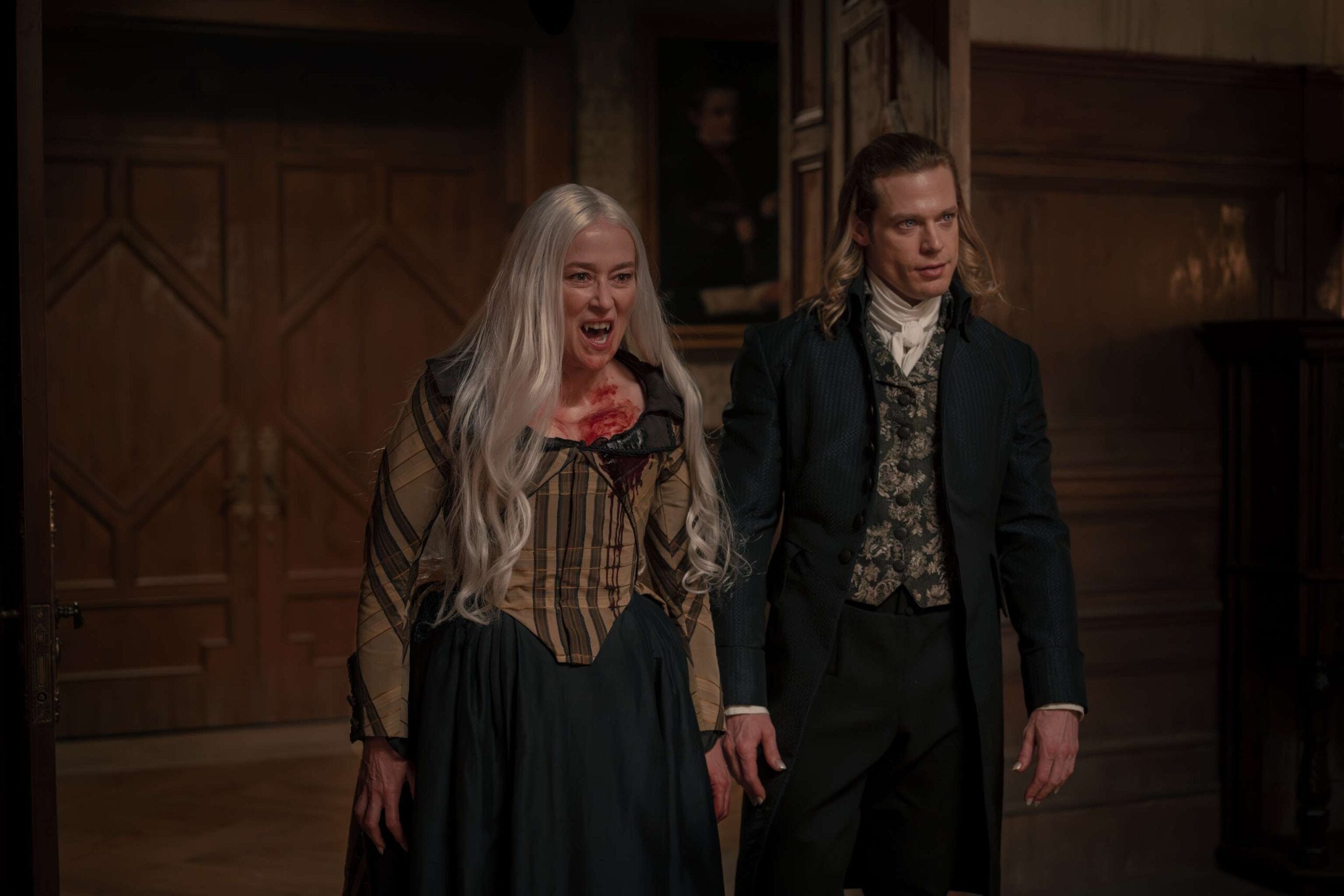
As she spoke to him, tending to his wounds after she all but challenged him to be a man—and subsequently sentenced him to his death—she confessed her darkest fantasies of wanting the power to choose how she exists.
And Lestat listened, enthralled by the intimacy, overwhelmed by his desire to be the “big men, small men, boys” she spoke of—his unwavering attention providing her the comfort to admit such a secret.
He understood her.
He loved her.
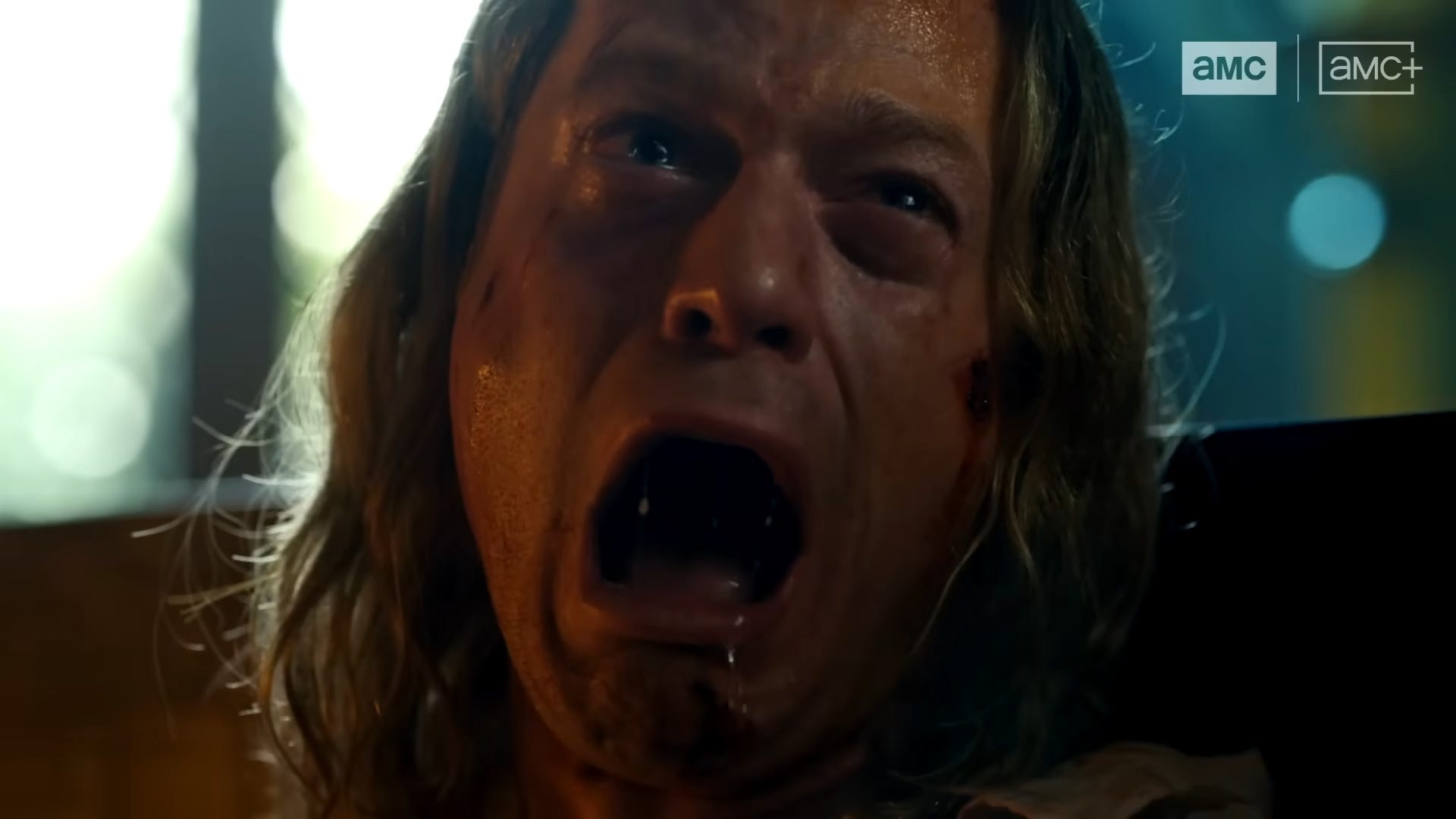
But the tragedy of this moment lay in the wailing cries from Lestat when he said, “Except for me,” and she responded with abandonment.
A Thin Line Between Desire and Devotion
“Toledo” is a hard episode to watch, and what makes it heartbreaking isn’t Gabriella’s continued inappropriate behavior and un-respected boundaries.
The devastation is in Lestat spending time telling the audience—the purchaser of The Failures—that her behavior didn’t cause any damage.
At every turn, he rationalizes her neglect and abuse, explains away her emotional distance, and accepts her decision to constantly choose herself over him.
He allows this treatment because confronting the alternative requires him to acknowledge a truth he’s known his entire life:
The first person he ever loved never truly loved him back.
That someone can seek comfort in your presence, confess their deepest secrets, fulfill their desires with your body, and still abandon you the moment you ask for something real in return.
And with Lestat, this pattern is woven deep into his veins.
He openly offered his devotion to Gabriella, again and again and again.
But every carefully tailored plea, moments of tenderness, and displays of love was met with silence, withdrawal, or abandonment.
This lesson buried itself into Lestat’s very DNA, so deep that centuries later it still governs the way he understands intimate relationships.
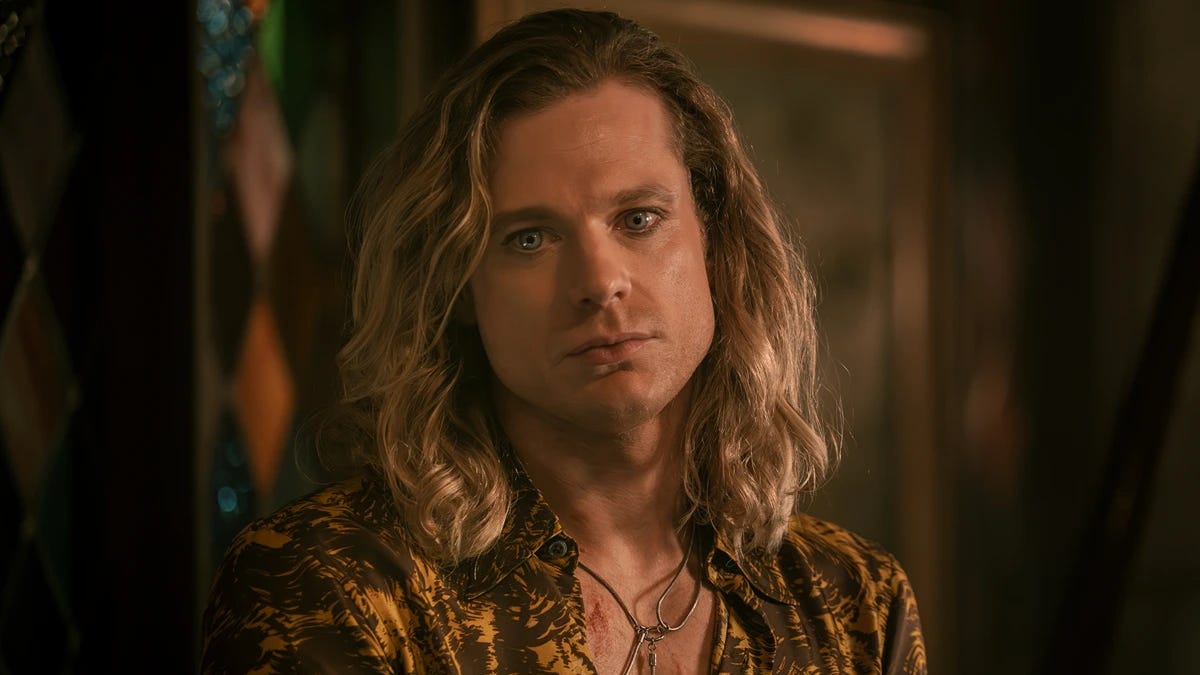
And through his narration, Lestat continues to pack glitter into open wounds that threaten to destroy him.
The Story Lestat Doesn’t Want to Tell
The Vampire Lestat feels like a far departure from the melancholic and distant narration from Louis.
But where Louis misremembered or had zero memories, Lestat wrestles with his true memories, fighting to keep them hidden while he weaves a story that he feels will make him a god.
As Lestat processes his life through songs, he realizes that the story that wants to be told isn’t the one he’s writing. It’s writing itself through every intrusion, every nightmare, and every moment spent with Gabriella.
Everything feels intentionally clouded by the way Lestat chooses to remember and chooses to narrate. He’s honest about everyone else’s failures—his father’s cruelty, his brothers’ abuse, and Louis’ omissions—but when it comes to Gabriella, he refuses to acknowledge her actions are the sharpest and cruelest of them all.
And the irony of the documentary being about Lestat telling “his truth” is his constant protection of her image, revealing something far more harmful.
Lestat declares that the songs are his story, yet the music keeps bringing him back to the story he’s least interested in telling.
The story of the boy who convinced himself that abuse was love.
“Toledo” surrounds us with the unfortunate truth of how pain and trauma linger across time.
How Gabriella’s captivity became Lestat’s emotional inheritance.
How her desire to belong to no one taught him that love always comes with distance. That his declarations and being “too much” must be kept silent lest he be subject to eternal loneliness in return.
And it cracks the porcelain mask, forcing us to consider something devastating.
That maybe Gabriella isn’t merely an important chapter in Lestat’s story.
Maybe she is the lens through which every other chapter must be read.
More Immortal Universe Analysis
Kivonshe—founder of So There’s That—is a film & TV critic who explores compelling storytelling, fandom relationships, character psychology, and the impact of entertainment media through film reviews, episodic recaps, and in-depth theme analysis.