


The Vampire Lestat premiere episode, “Detroit,” hilariously recounts and refutes entries of the now-infamous book, Interview With the Vampire.
And with the all-caps giant scribble of “LIES” angrily scribbled across the page, the audience must once again ask the following:
Is Louis an unreliable narrator?
During the The Vampire Lestat: After Dark episode that aired on AMC+ Sunday, June 7, Jacob jokingly states that Louis looks like a liar.
And after “Detroit,” it’s easy to come to such a simple conclusion.
Lestat spends a great amount of time refuting the details: the omissions, the exaggerations, the train, and the scars.
These narrative misgivings seem to support the argument that Louis didn’t paint an honest picture of their life together. But what if it’s not as simple as Louis lying, or even Armand altering his memories?
What if Louis didn’t tell the complete truth because he wanted to protect the parts of his marriage that were never meant for the public’s, nor Armand’s, consumption?
If we reframe our thinking that Louis’ omissions were an act of immense love, then the possibilities of what “Detroit” really exposes are far more interesting than what’s on the surface.
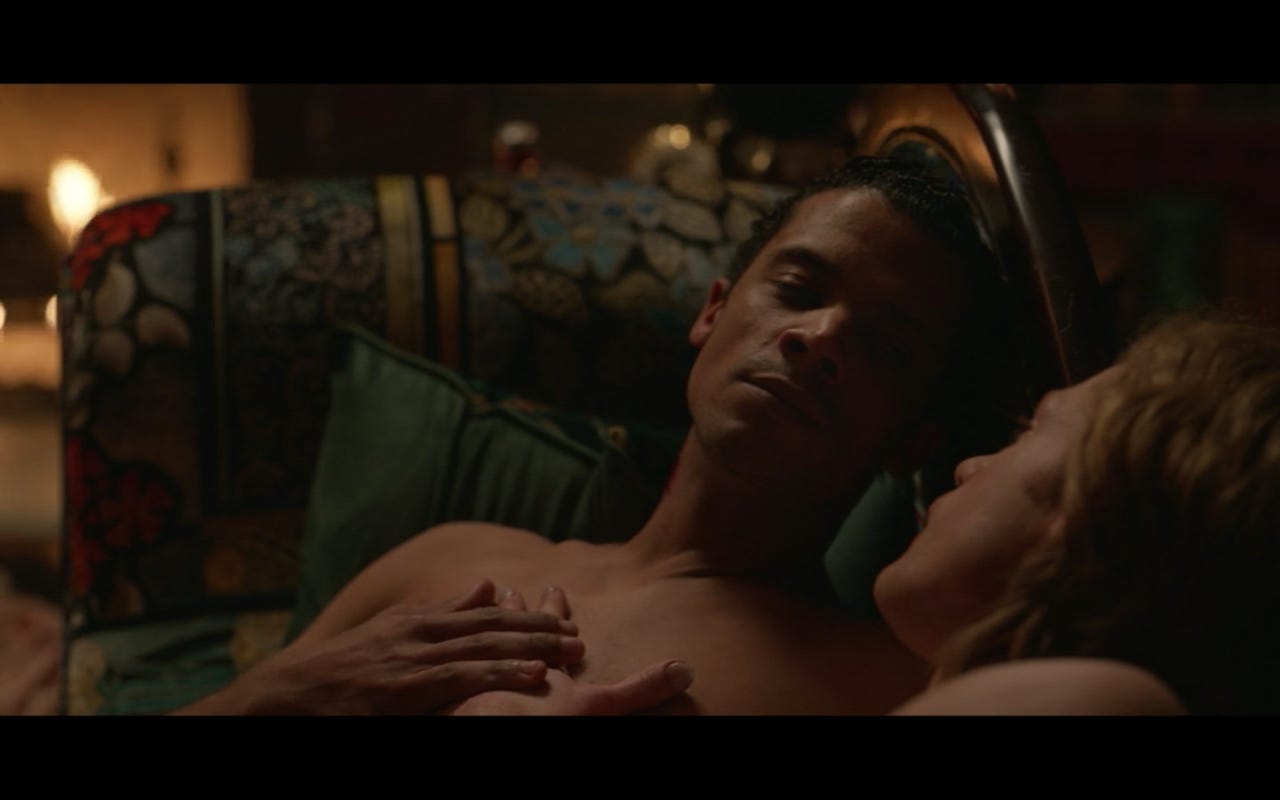
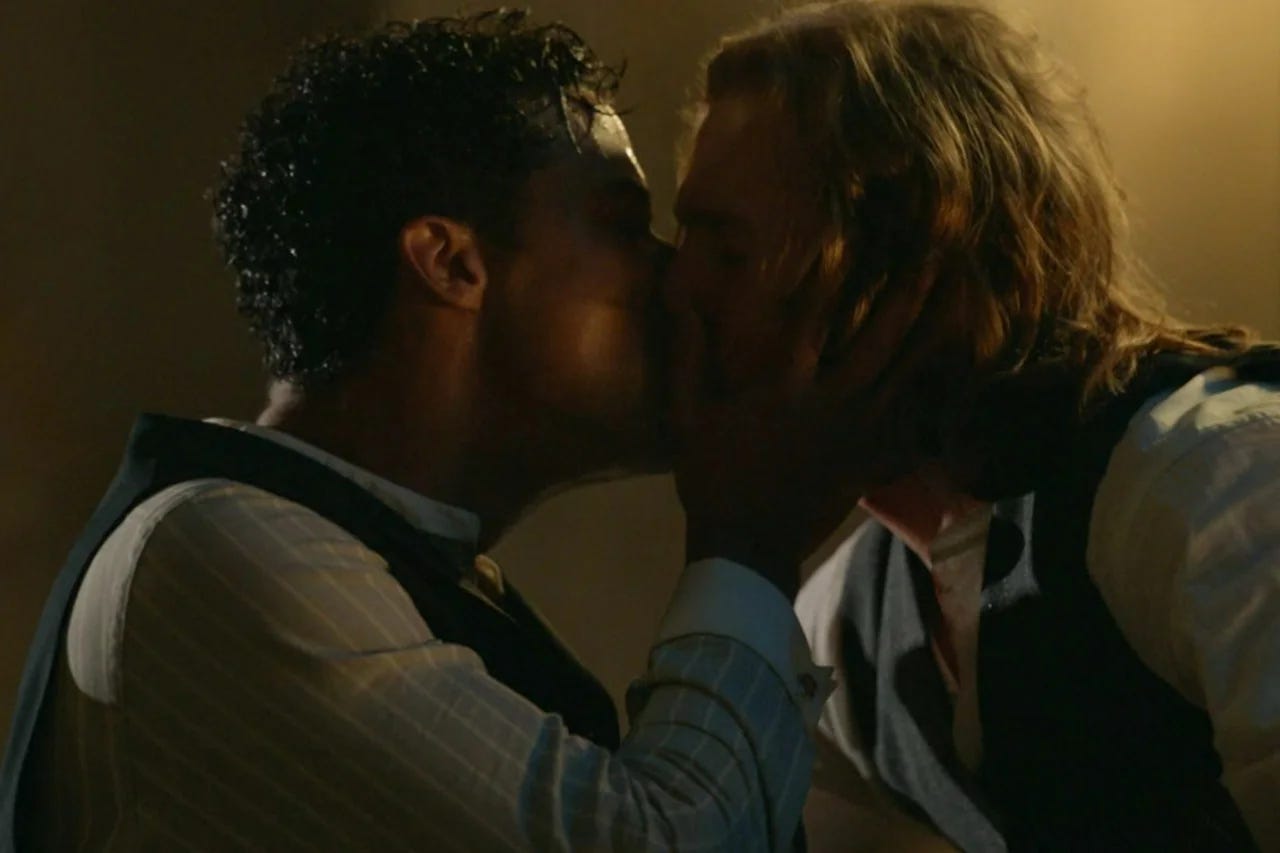

“Louis never mentioned my scars.”
Louis’ Love Language is a Deep Well of Unuttered Confessions
Lestat’s declaration is as much a complaint as it is a sensitive wound. It’s not just that the absence of the scars is a factual inaccuracy, but that their absence makes it feel [to Lestat] as though Louis wanted to distance himself from their tenderness, his vulnerability, and the things that made him more human than monster.
That Louis wanted to purposely erase the parts of him and Lestat that existed in the quiet comfort of their marital coffin.
In many ways, this very argument echoes the ideas explored in Why The Vampire Lestat Makes People Bristle—where I argue that audiences often respond to the version of Lestat placed in front of them rather than the full complexity of who he is as a complete being.
And so we drift back to the source of Lestat’s pain behind the release of the book.
Did Louis erase the soft parts because he didn’t think they were important or because they were sacred?
Because those memories only belong to them?
If we investigate what we know about Louis and how deeply he feels about Lestat, then the omissions are less a malicious act or even removed memories but a confession of just how much he loves Lestat.
This doesn’t mean Louis never lied, remembered things incorrectly, or had his memories completely removed. The first two seasons establish this as part of his narrative. But “Detroit” makes room for another possibility that audiences, and Lestat, may have overlooked.
The beautiful parts of his relationship weren’t missing because they were forgotten. They were missing because Louis never intended to share them.
And if we allow ourselves to sit with this revelation; we see that within “Detroit” is an undercurrent of something much sadder.
Lestat believes Louis never loved him enough to truly see him, but what if Louis saw him more clearly than anyone else in his entire existence?
Without words.
Without open declarations.
But hidden within the secret chambers of his undead heart.
And in Lestat’s anger, hurt, and fragility, he’s just too blind to allow himself to see the truth for what it is:
Love.
More Anne Rice Character Analysis
Interview With the Vampire is a Masterclass in Physical Storytelling
The Vampire Lestat Episode 1 Exposes a Truth Lestat’s Refuses to Confront
Kivonshe—founder of So There’s That—is a film & TV critic who explores compelling storytelling, fandom relationships, character psychology, and the impact of entertainment media through film reviews, episodic recaps, and in-depth theme analysis.