

From Fiction to FYC
Bang. Bang.
Bang. Bang.
BANG! BANG!
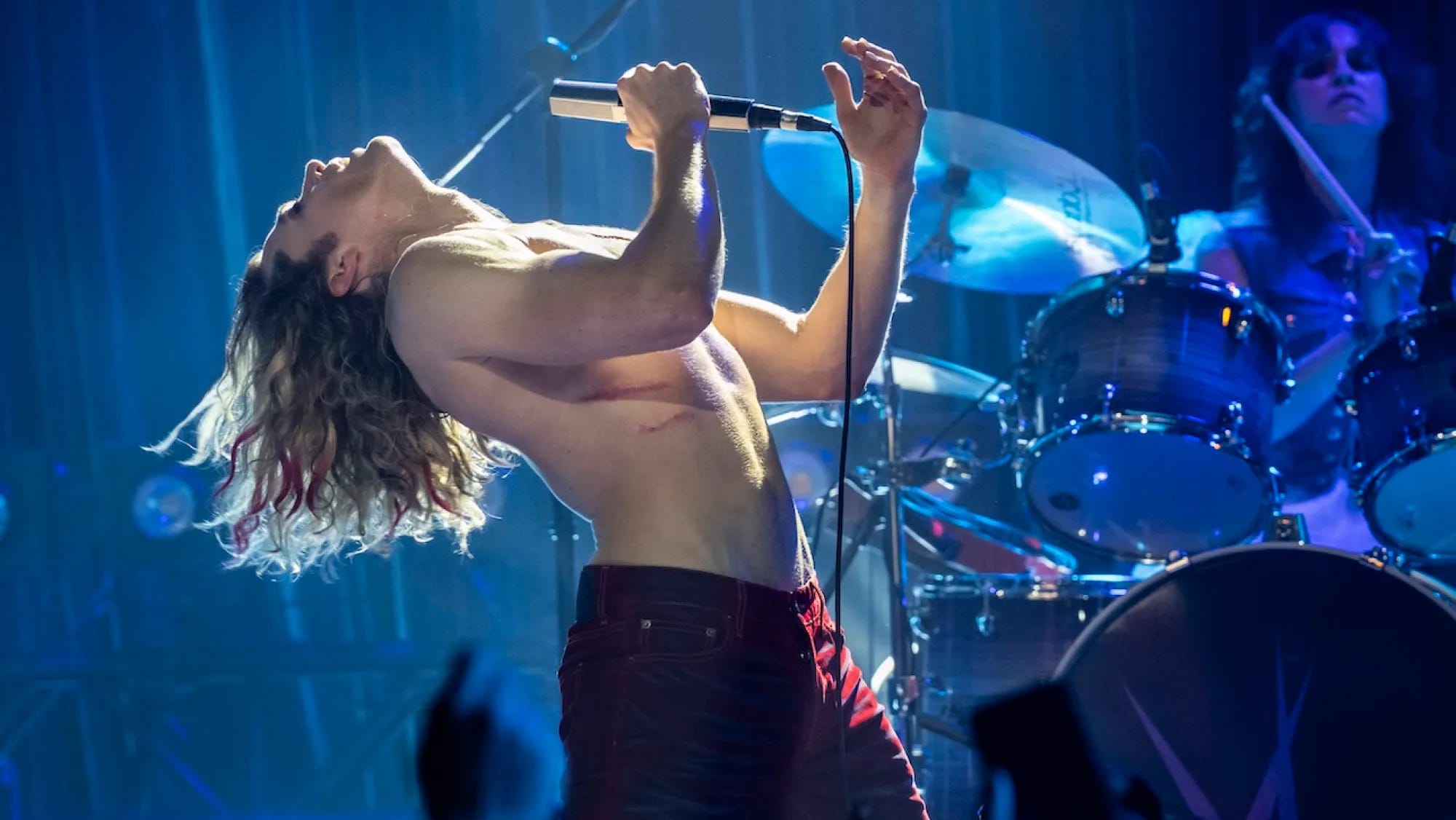
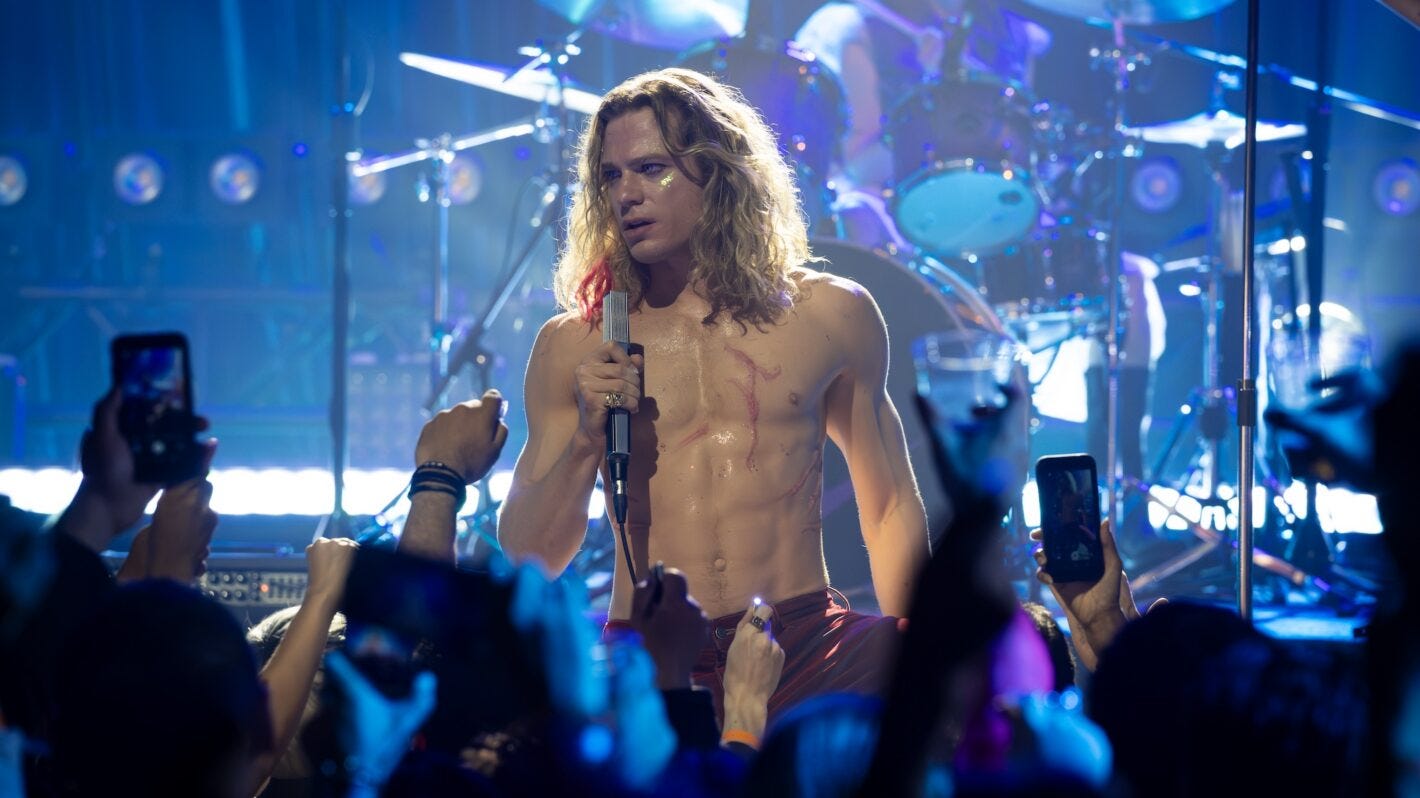
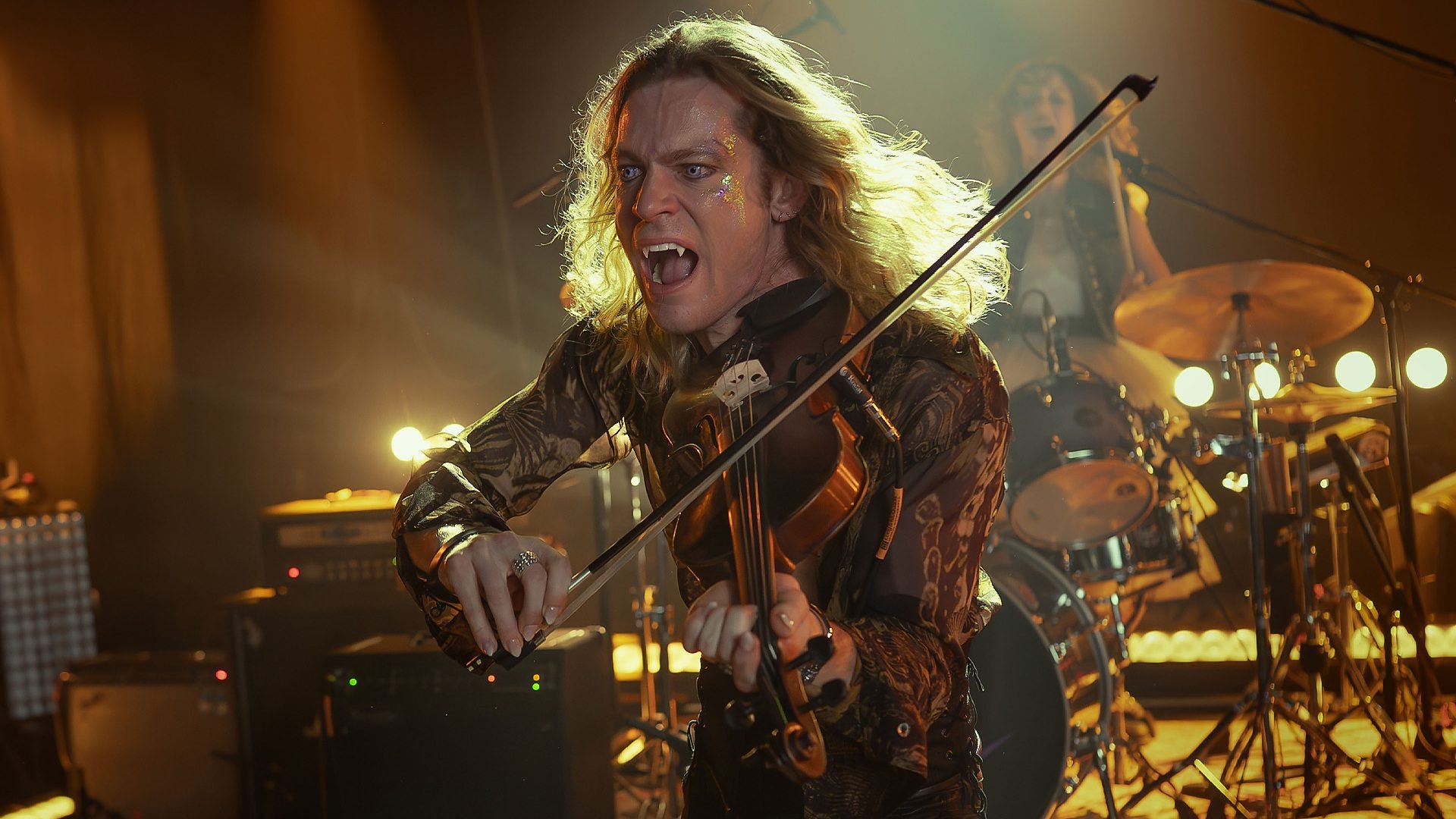
Lestat de Lioncourt leapt from the pages of Anne Rice’s Vampire Chronicles and onto the stage as the official For Your Consideration Grammy campaign begins for the vampire rockstar.
In an astonishing meta-moment for the series and fans alike, Daniel Hart’s musical genius—through Sam Reid as Lestat—creates a historic moment for fictional TV bands in the Visual Media Grammy landscape.
The Grammy category now known as Best Score Soundtrack for Visual Media was established at the 2nd Annual Grammy Awards in 1959—recognizing Best Score for cinematic features.
The inaugural award went to Duke Ellington for Anatomy of a Murder, and since then, the category has been largely dominated by film.
Over the years, the category underwent numerous changes regarding eligibility and which contributors received the recognition.
Between 2001 and 2007, the category expanded recognition to include mixers, producers, and sound engineers for their contribution to the scores before reverting back to composers only in 2007.
While the category largely defaulted to film, the culture began to change, and television finally started constructing doors its composers could walk through for recognition long overdue.
The shift to television was a long and difficult road for TV composers and production teams. Historically, only a handful were ever nominated at a time and it became almost a given that they wouldn’t be competitive enough for a nomination, let alone a win.
Audiences were trained not to expect much, even from the small victory of getting considered.
However, the boom in streaming changed everything.
In 2020, Hildur Guðnadóttir made history by winning Best Score Soundtrack for her work on HBO’s miniseries Chernobyl at the 62nd Annual Grammy Awards—becoming the first solo woman ever to win in the category, the first woman winner in 35 years, and the first TV score to ever win.
Two years later, Carlos Rafael Rivera won in a historic four-way tie for Netflix’s The Queen’s Gambit, alongside Jon Batiste, Trent Reznor, and Atticus Ross for Pixar’s film, Soul, in 2022.
Since then, Theodore Shapiro was nominated for his work on Severance Season 2 for the 68th Annual Grammy Awards, held in February of 2026, another sign of the competitive television landscape being built in real time.
What does this mean for The Vampire Lestat?
In the 1985 novel, Lestat awakens from a vampire sleep to discover 1980s rock music—using it as the answer to Louis de Pointe du Lac’s tell-all book, Interview With the Vampire, breaking all the rules, and revealing the secrets of his beings.
But in the hands of Rolin Jones, Hannah Moscovitch, Daniel Hart, Sam Reid, and the entire team at AMC, Lestat became more than a one-night-only act that awakened the Queen Akasha.
The immortal Brat Prince became a global icon—amassing a fanbase that expanded beyond the one already established through the books and the first two seasons of the series.
This history became cemented when AMC made a bold move and booked The Vampire Lestat in a sold out concert at Beacon Theater in New York in June 2026.
While the building capacity held 2,894 people, the streets were lined with even more fans from all over the world, hoping to get just a glance at the vampire rock god.
By bringing music created for a fictional artist into a real-world FYC Grammy campaign, AMC collapses the boundary between Lestat’s fictional rock stardom and the very real awards landscape—introducing the Recording Academy to the narcissistic yet charismatic immortal rock god who demands the world’s highest musical accolades.
The Vampire Who Refused to Remain in the Subtext
“OH YEA, I’M COMIN!”
The FYC campaign for Daniel Hart’s original music, album, and Sam Reid’s raw vocal performances is for the following categories:
Best Song Written for Visual Media - “The Loneliness”
Best Arrangement, Instruments and Vocals - “Black Licorice”
Best Score Soundtrack for Visual Media - The Vampire Lestat (Original Series Soundtrack)
Best Compilation Soundtrack for Visual Media - The Vampire Lestat, The Failures
The official nominations will be announced Monday, November 16, 2026, ahead of the ceremony, which takes place Sunday, February 7, 2027.
While a win is what the fans want, a nomination for any of the campaign’s submissions would mark another significant milestone for television music and its competitiveness within the industry.
For Hart, a nomination would further validate his range as a composer—moving beyond traditional dramatic scoring to construct a gothic rock opera through 16 original songs.
A nomination would not only solidify his standing but also prove that the music exists beyond both the version readers imagined from the novel and the fully realized television world that eventually gave it architecture.
A nomination would also be a significant win for the gothic-horror genre, which is largely shut out of recognition across many traditional awards—television, cinema, and music.
One nomination that would truly amplify the creative risks taken for the series is Best Arrangement, Instruments and Vocals.
While the category recognizes the arranger rather than Reid as a performer, his voice is inseparable from the execution.
And because Sam committed to the tireless work and conditioning of both his body and his voice to deliver Lestat in the only way in which he could be delivered, a nomination in this category would celebrate the physical and musical chemistry between Hart’s music and Sam’s visceral and erotic vocal performance.
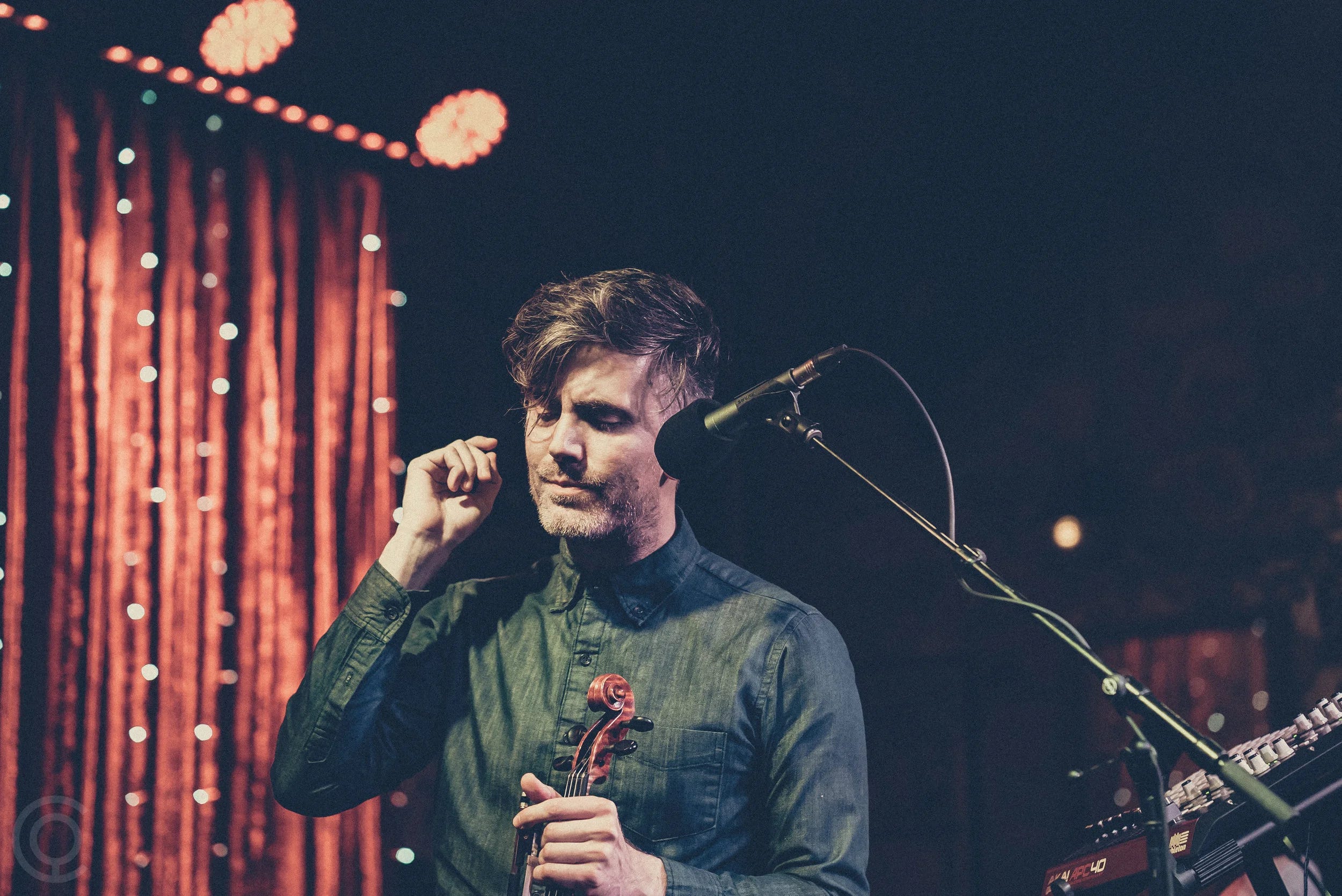
The Grammys are only part of the journey for Daniel Hart.
While the show was slow to be recognized across the major award stages, a Grammy nomination could generate massive buzz for Hart ahead of the 2027 Creative Arts Emmys circuit.
The nomination could not only be a historic win for AMC but also for Hart, as it positions him as a dual-threat across music and television academies.
And if he wins?
The music and television industries would have one less excuse to overlook the series—and the genre—as legitimate competitors on their biggest stages.
Diegetic music is already an extremely hard task to pull off.
But a win for the individual songs “The Loneliness” and “Black Licorice” would mark a point where the Recording Academy voters recognize Lestat’s music as something capable of standing alongside real-world acts, rather than functioning solely as a TV prop.
While the FYC campaign places Hart’s music at the center of each submission, any recognition would still prove an undeniable victory for Sam Reid, whose vigorous studies and interpretation brought Lestat to life.
And despite the immense critical acclaim across multiple outlets—major, freelance, and independent publications—major television award bodies have historically snubbed the show and its performers.
A Grammy win would bite through biases, forcing the entertainment industry to confront what fans have known all along:
The unparalleled creativity and bold execution that is the Immortal Universe.
Want more analysis for your favorite shows? Subscribe to get them directly in your inbox. Have a suggestion? Leave a comment.
The Beautiful Unwell
Kivonshe—founder of So There’s That—is a film & TV critic who explores compelling storytelling, fandom relationships, character psychology, and the impact of entertainment media through film reviews, episodic recaps, and in-depth theme analysis.