Has Music in Film and Television Lost Its Impact, or Have We Stopped Listening?
From unforgettable theme songs to iconic soundtracks, the music that once defined our favorite stories raises questions about how we watch, listen, and remember stories today

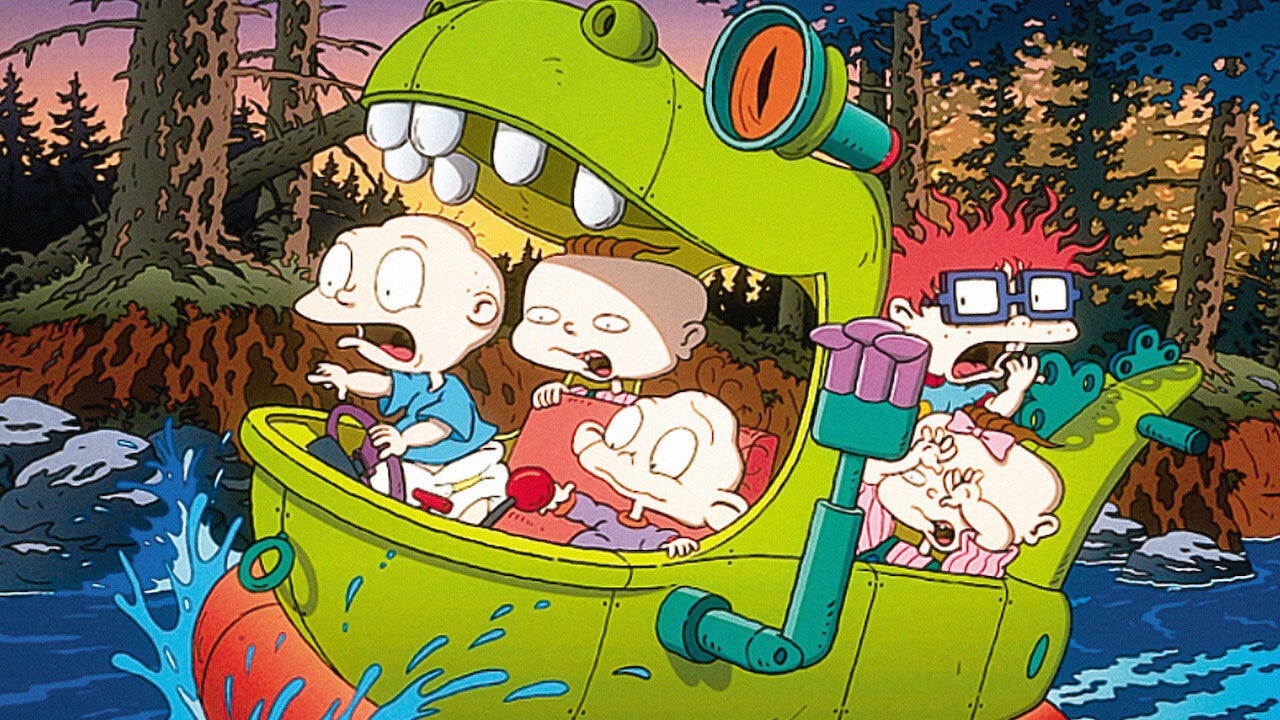
If I say original scoring and notable soundtracks haven’t hit the same for film and television in over a decade, then what?
We used to hear a song and immediately picture the film or TV show.
Free Willy.
Rugrats.
Waiting to Exhale.
You can hear these films, right?
But as I ponder some of film’s biggest blockbuster hits over the last decade, I can’t think of many songs that connect me to the film emotionally.
What happened?
Theme Songs Used to Mean Something
“So long, farewell, to you, my friend. Goodbye for now until we meet again.”
In just one sentence you’ve been catapulted back to your childhood home, watching television and eating a snack (likely your third bowl of cereal).
Now this is a task you’ve done as a child that was necessary for basic nutrition, but a song connected to entertainment makes the memory specific.
Music.
The thing that connects us all but somehow has taken a backseat these days to cinematography.
Today, the visual aspect of film (aspect ratios, lighting, blocking, and an increase in oners) has led the conversation when it comes to granting a film, or series, the title of cinematic masterpiece.
So much so that the very aspect that connects our memories to what we saw has become less and less involved in the conversation:
Sound editor. Music supervisor. Soundtrack. Score.
All the components of a project (to include sound design) that connect us to stories that live with us forever.
For example, think of Michael Myers, right now.
I’ll wait.
The sounds of the piano keys enter your mind, and you know without a doubt that it represents an entire film franchise.
What about if I say The Proud Family?
You’re thrust back in time, where artists were given access to the material in order to create music dedicated to the project.
Not just songs already in existence that add to the vibe of a scene.
So what happened?
Why, when I think of Obsession or Backrooms, do I not hear anything?
Music Makes You Lose Control
Now, not all current media fits the mold.
Interview With the Vampire fans lost their minds when they heard Daniel Hart’s score underneath scenes in The Vampire Lestat—clearly showcasing how some composers still find ways to connect an audience’s memory of a story through music.
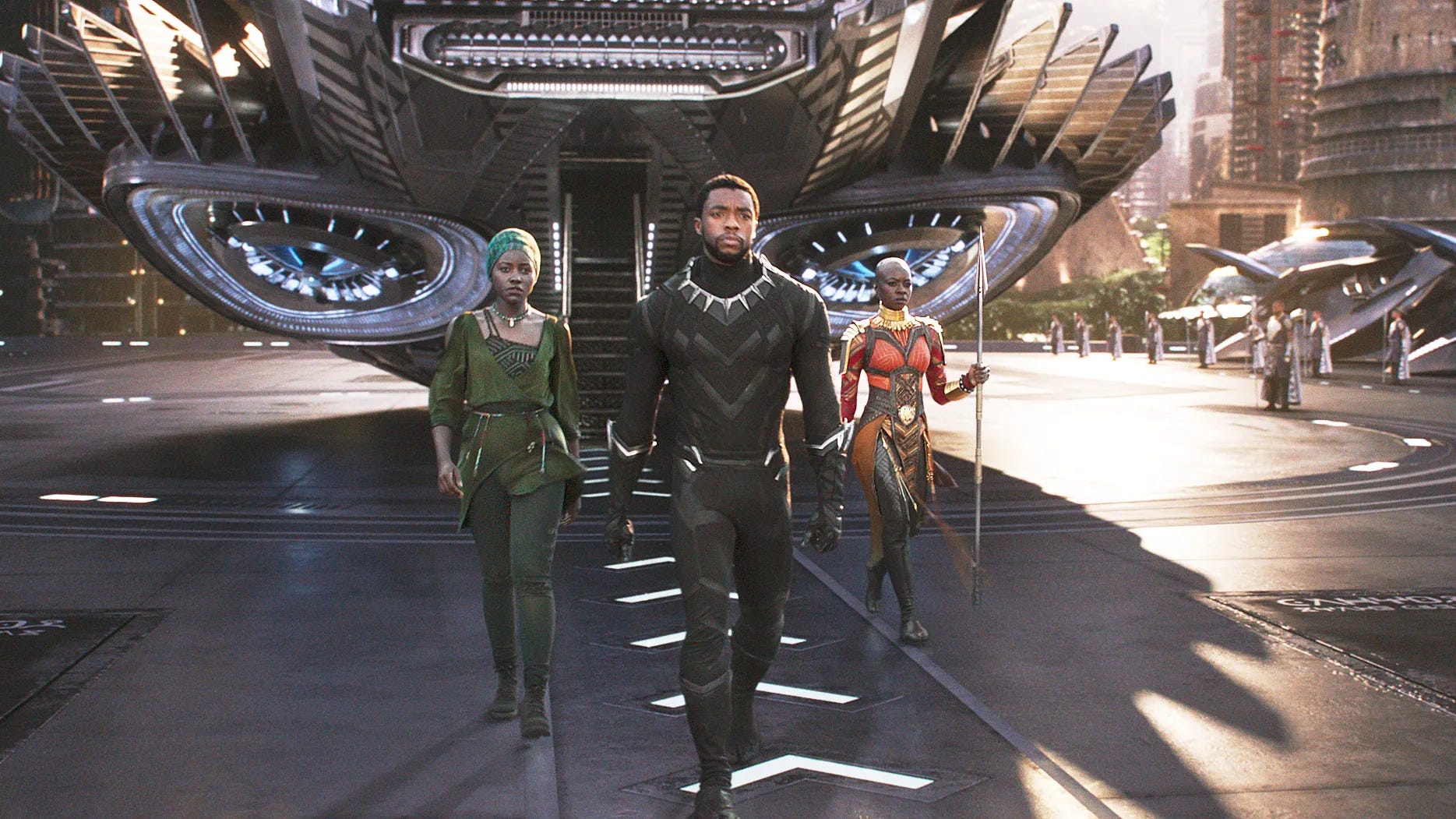
We also have composers like Ludwig Göransson and Jon Batiste—and even recording artists who have shown themselves to be incredible contributors to film and television like Solange (music supervisor), Janelle Monáe (composer), and Kendrick Lamar (soundtrack curator, producer)—who make deep emotional impacts through their relationship with music and narrative.
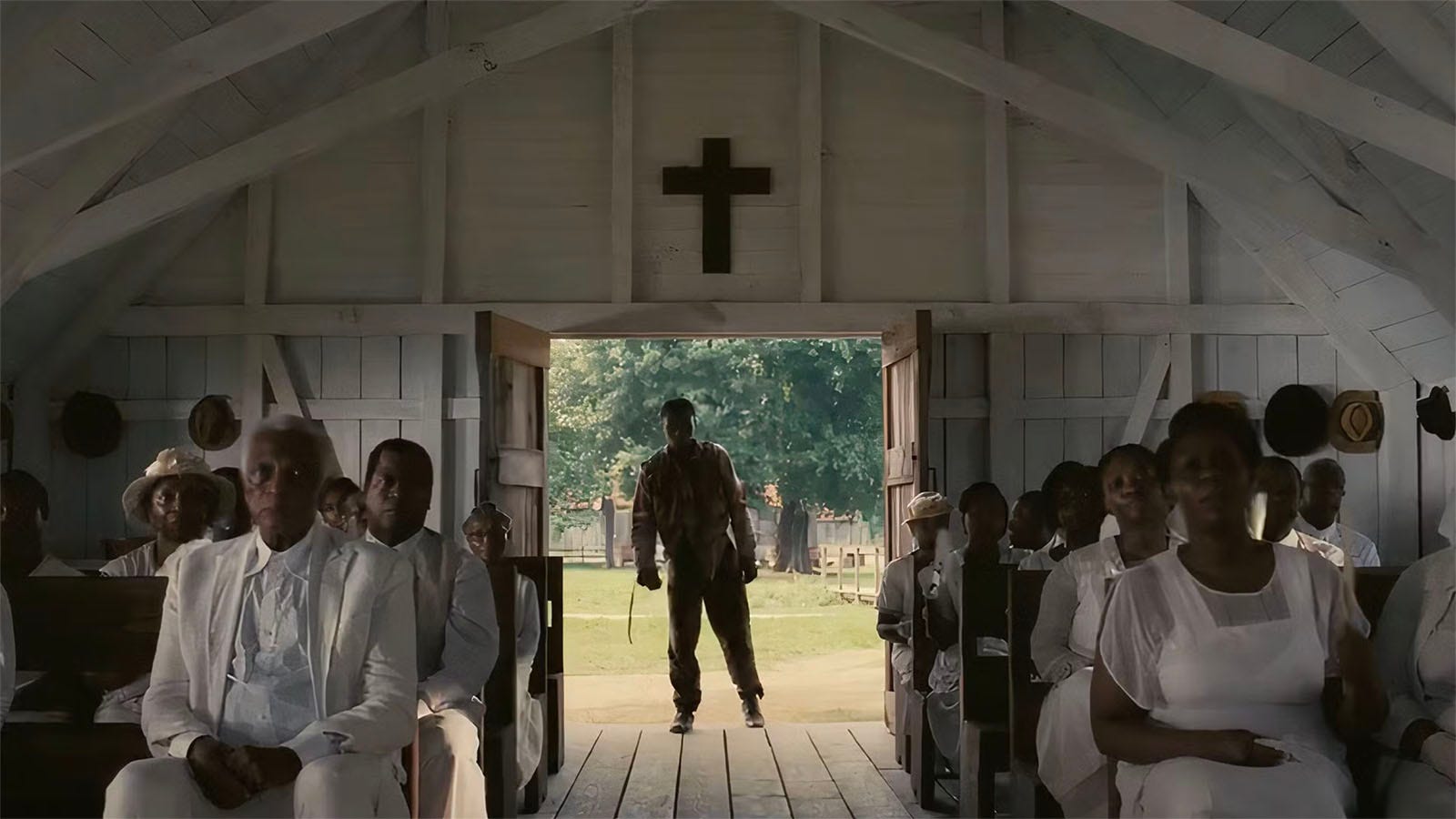
But in a landscape where hearing “Touch Me, Tease Me” instantly teleports you to the exact time and place you saw The Nutty Professor for the first time, what current song or score (besides Sinners) arrests you in time?
The absence of theme songs is also part of this conversation.
As television shows continue to gain more recognition on award stages, we also have to look at how the history of theme songs carried popularity.
“Give Me A Break,” “Happy Days,” “Thank You For Being A Friend,” and “Moving On Up” are prime examples of songs that are inseparable from the series in which they served.
Even songs without lyrics in shows like Sanford & Son, General Hospital, and Game of Thrones cement themselves in the minds of viewers who formed an emotional connection with the show through music.
But in the past decade or so, something has shifted within the industry that has sidelined music in visual entertainment, and we’re desperately trying to recover it.
The Artist Was Removed From the Art
I’ve had this thought for quite some time now, and I wondered whether I was alone in feeling the decline of musical impact in today’s visual media.
Turns out, I wasn’t.
In my research, I came across an article by award-winning film composer Christopher Caliendo titled When Composers Fade: A Filmmaker’s Guide to Film Music’s Decline, in which he offers his interpretation of music in visual media and the decline of its presence in storytelling.
One passage in particular caught my eye and articulated exactly what I’ve been feeling for a while but couldn’t quite place:
“Sometime around the late 1980s and early 1990s, the role of the composer began to shrink. And by 2025, we find ourselves in a cinematic landscape where many film scores feel more like ambient wallpaper than essential narrative tools.”
Now, this isn’t to say one era of music disappeared when another era began. Memorable scores and soundtracks continue to emerge across generations. Instead, we are examining how music is introduced, experienced, and remembered alongside a changing industry.
Let’s take a quick drive through history, shall we?
From the 1950s through the 1970s, many films and shows featured overtures or extended opening credits to set tone and expectation
The 1980s and 1990s saw a rise in shorter openings and a change in credit conventions
By the 2000s, Hans Zimmer and other composers helped popularize percussive and ambient scoring that was more understated but still an emotional driver to how a film (or series) was received
From the 2000s to 2025 and the meteoric rise of streaming platforms, it became easier for audiences to “skip intro” and “watch next”—creating an opportunity to decrease engagement with openings and credits altogether
Somewhere between the convenience of skipping an opening sequence and the need to complete an entire series in one go, we may have inadvertently changed how we process music in visual storytelling and our relationship with it.
So we must ask:
If audiences spend less time engaging with the music from a film or television project, how much of its potential decline in cultural recognition is on the composer?
This question cannot be investigated without placing some responsibility on our change in viewing habits.
Music still exists in the storytelling, but the opportunity for it to live with us—in the way music from our childhood shows did—seems to have dwindled.
We don’t sit through the same theme music week after week.
We’re not forced to wait for the story to begin (and we’re taking a hard side-eye at the DVR model that allowed audiences to record a show without watching live just to fast forward through the introduction, we see you.)
We now move directly to the content and exit before the credits even begin.
So somewhere between “skip intro” and “watch next” the conversation needs to shift.
Is music losing its ability to move us, or are audiences just no longer willing to sit with it?
Please Don’t Stop the Music
We spent the entire article asking if music in film and television has simply lost its impact.
And with the examples given, maybe.
But maybe we, the listeners, have become so accustomed to moving from one thing to the next that we never gave ourselves the time to let the music stay with us.
There’s power in a song that lingers long after the credits roll.
To hum a song while washing the dishes or cooking dinner, and in your mind you see the exact show or film it comes from.
You don’t sing it because you necessarily recognize the artist or composer, but because it captured something about the story that visuals alone couldn’t convey.
That is what I keep coming back to.
How can the music recapture us as listeners?
A memorable score or soundtrack doesn’t just tell us how to feel during pivotal or emotionally impactful moments in a story.
It helps us remember how we felt when we received it.
“My Heart Will Go On.”
Tell me you didn’t see Jack in the water.
You see him, you hear him, and the song moves you through your emotions and memories as if it were your first time watching the film.
So is it the composers? Is it us?
To be clear, music shouldn’t have to compete with the visual language of a film or series to be recognized when both help shape the audience’s experience.
But years from now, when someone mentions a film or series from 2026, I don’t want to just remember what I saw.
I want to remember what I heard.
Want more analysis for your favorite shows? Subscribe to get them directly in your inbox. Have a suggestion? Leave a comment.
Music in Film and Television
Kivonshe—founder of So There’s That—is a film & TV critic who explores compelling storytelling, fandom relationships, character psychology, and the impact of entertainment media through film reviews, episodic recaps, and in-depth theme analysis.
© Kivonshe | So There’s That
Original editorial commentary, criticism, and analysis. Unauthorized reproduction, republication, redistribution, or adaptation of this content, in whole or in part, is prohibited without prior express written permission from the copyright holder. Attribution alone does not constitute permission.
Discussion about this post