

Waiting for the End
Cold rooms.
Stiff beds.
Terrible pillows.
For anyone who’s ever visited a hospital, the idea of staying longer than necessary is a cruel one.
Now imagine it being the very place you go to live out your final days.
And suddenly the cruel idea becomes a harsh and lonely reality.
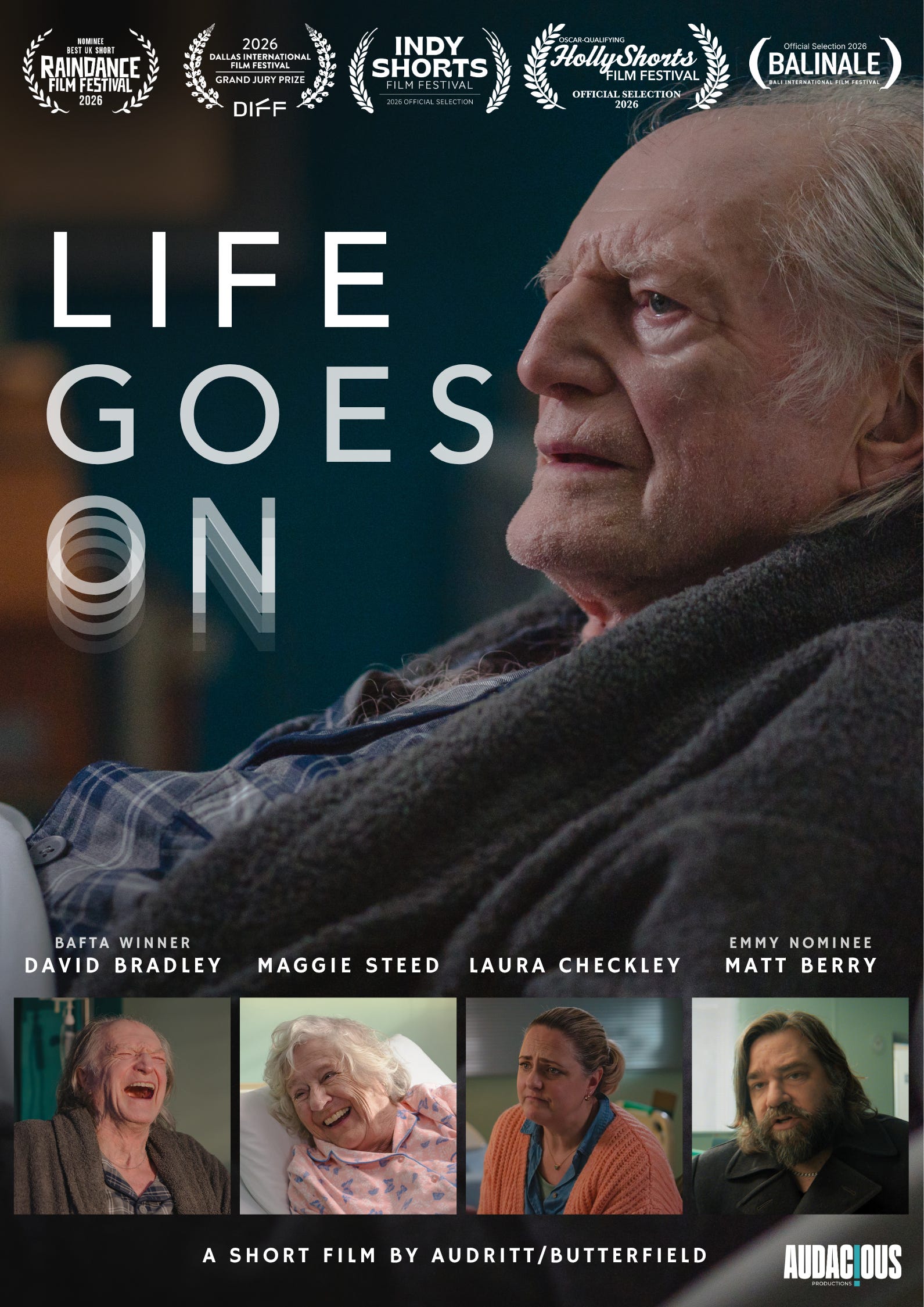
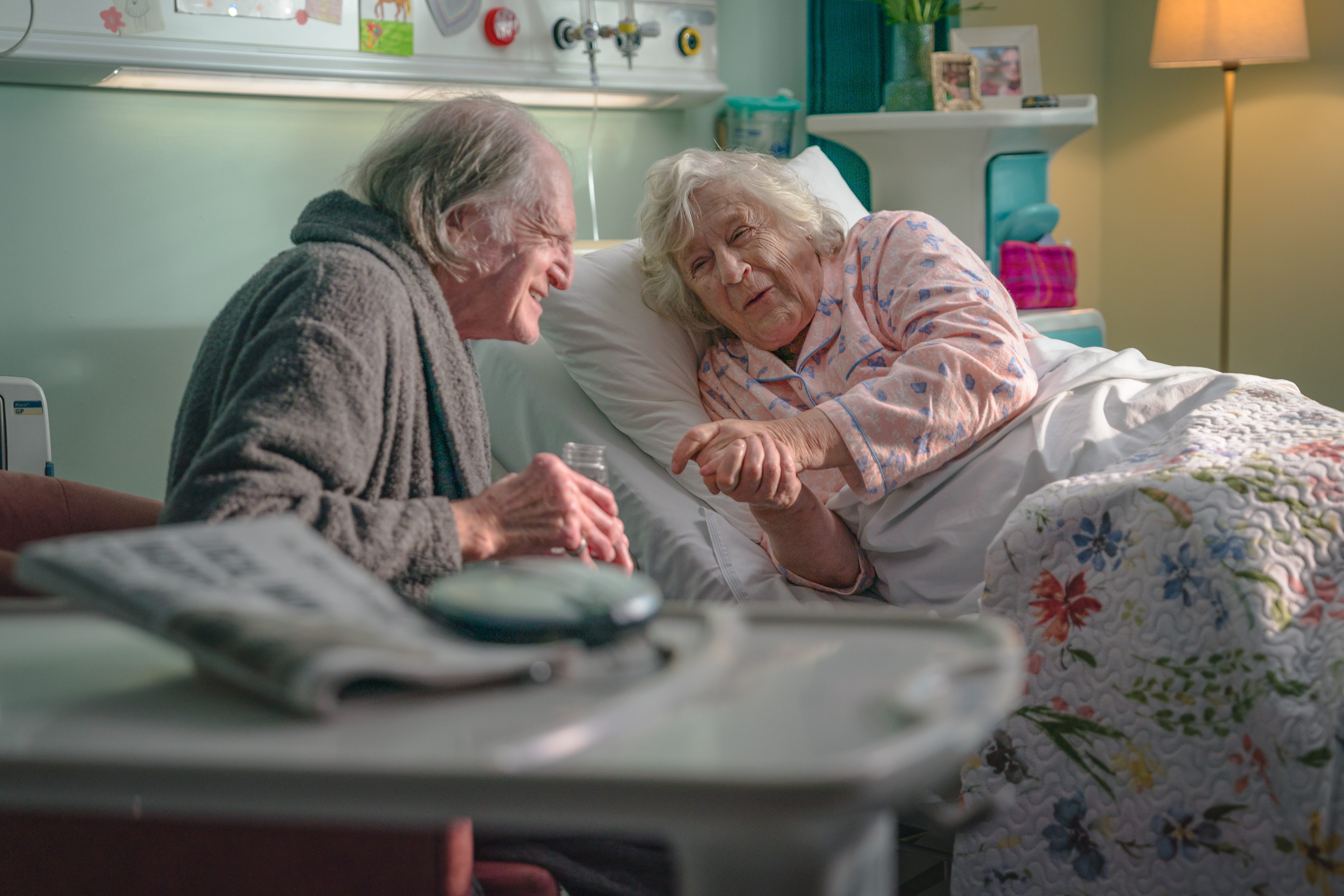
Life Goes On is about a man in hospice care, Bill (David Bradley), who’s ready for death and the silence that comes after such a long life. And though he’s ready to be through with life, life isn’t through with him yet.
This is the debut short film from writing, producing, and directing duo Kat Butterfield and Daniel Audritt, who deliver a film that is hilarious and audaciously dark.
But it’s a reality that is explored in a way that allows us to sit alone with the scary feeling that overtakes our bodies whenever we think of death.
We can’t escape it.
It’s inevitable.
But if given an opportunity to establish a relationship with death, how would we treat it?
When Life Refuses to Let Go
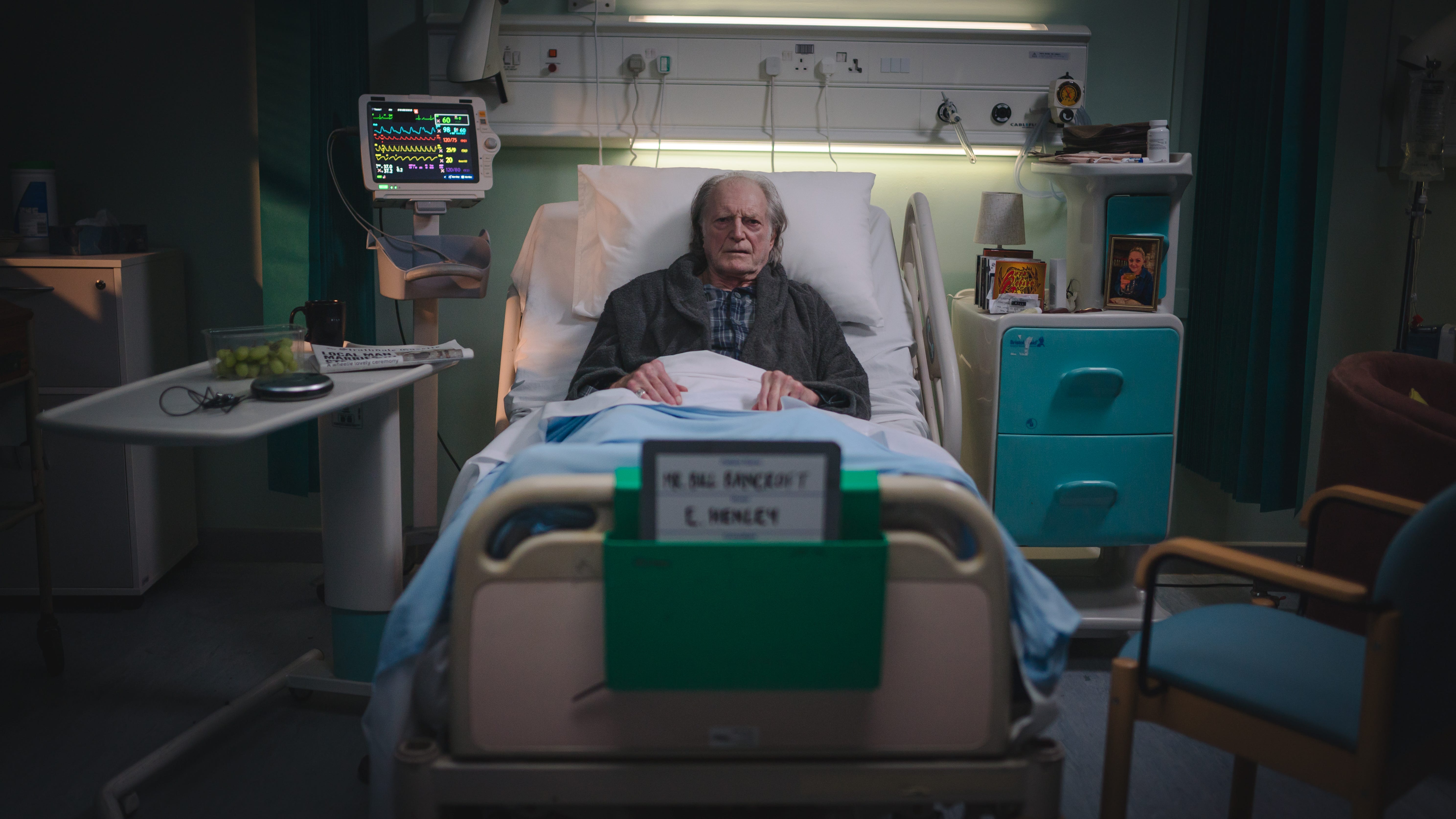
Bill awakes every day to repeat his last day on Earth in a cycle that increasingly forces him to confront the relationships he’s going to leave behind.
The title sequence alone, synced with the steady beeping of a vitals machine, immediately pulls you into the dark humor that blankets the film.
On.
And on.
And on…
The yellow lights.
Pale painted walls.
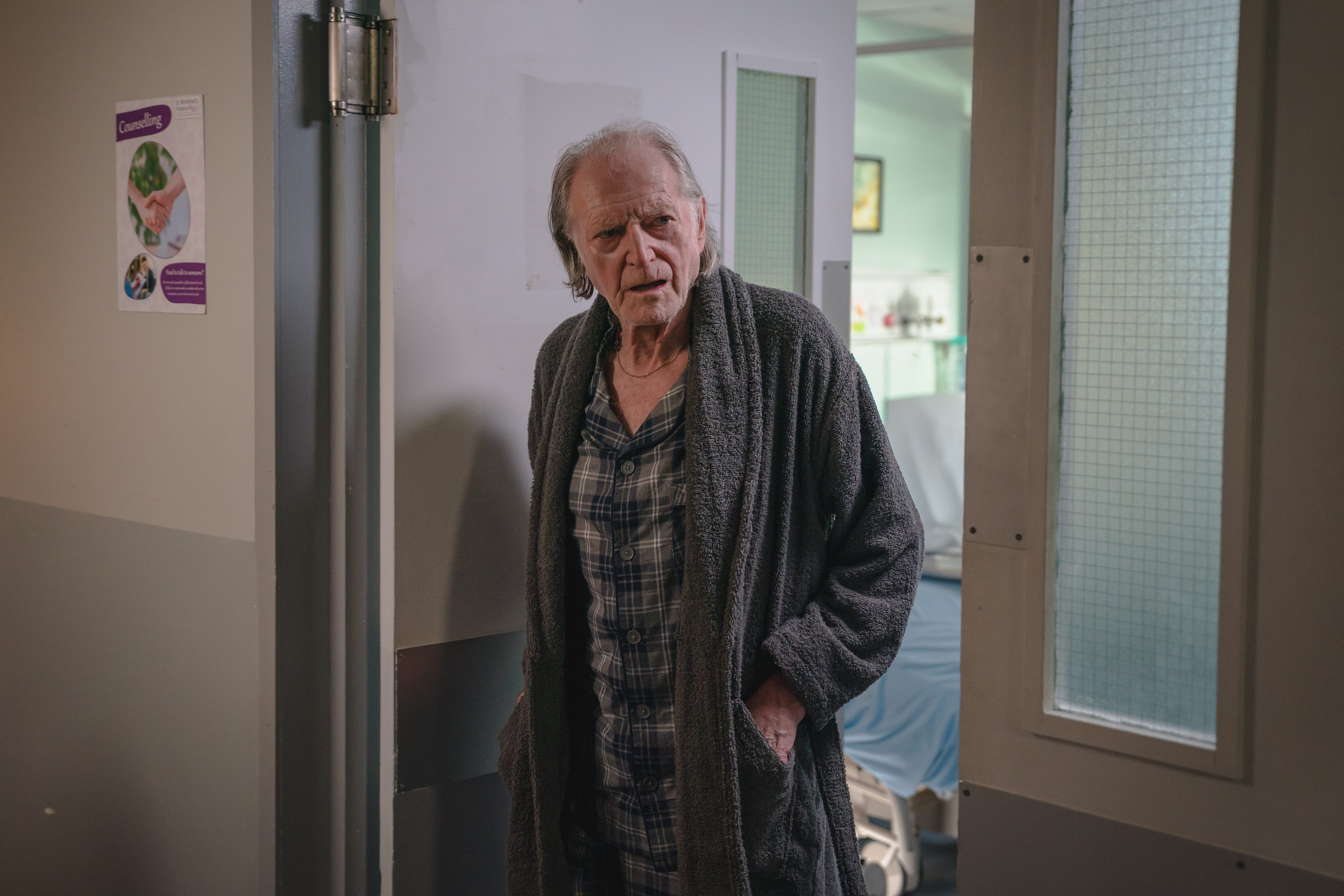
Nurses, aides, and doctors come in and out to poke and prod, but Bill sits in a state of mild disgust—feeling like less of a man and more a simple body occupying a bed until it’s his time.
His annoyance is amplified by the comings and goings and endless one-sided conversations from those who, through Bill’s eyes, may be there as much for themselves as they are for him.
Is it to say goodbye, or is it to resolve their own feelings?
These inner thoughts manifest in Bill’s retreat—placing himself inside an emotional cocoon, safe from the outside noise, biding his time until his last breath.
As each person comes to visit, Bill steps outside of himself, examining their motivations, his surroundings, and the repetitive mundanity of one’s last days from the lens of someone who’s had enough.
And Bradley poignantly carries the rigidity and impatience that comes from those who were once vibrant but now feel the wheels of time slowly bring their existence to an end.
What We Leave Behind
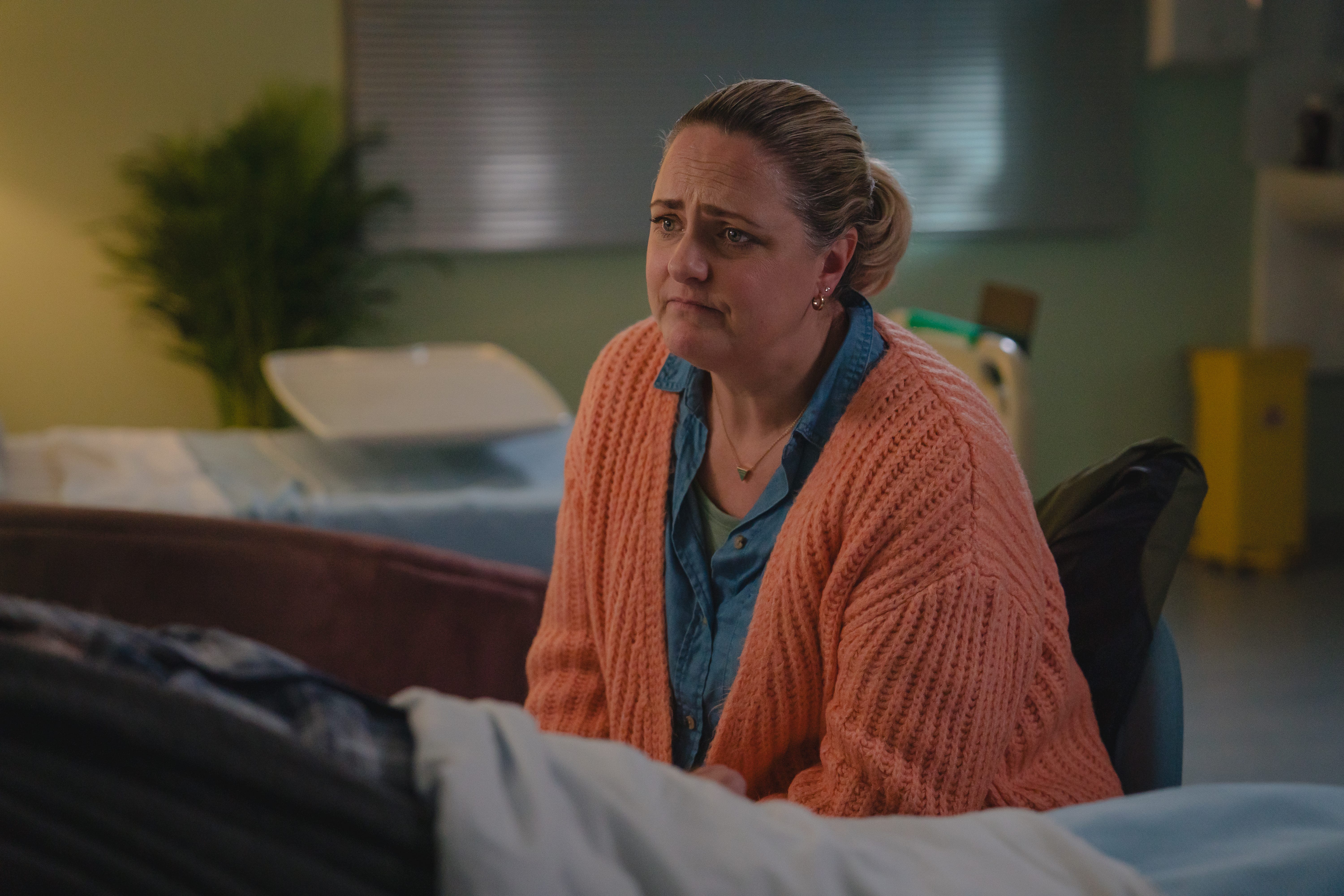
But one relationship cuts through the humor like a surgical knife:
His daughter.
Bill can race toward death, but he can’t outrun the regret he leaves behind.
Every “should’ve,” “could’ve,” or “would’ve” feels much too little and far too late.
It’s within these feelings that Life Goes On truly comes to life—where presence becomes the lesson.
The very thing we take for granted, that we believe time will wait for, is what cripples us in the moments we feel both most alive and most alone.
There’s no getting that back.
We must decide to be in the present the moment it’s with us or risk leaving the Earth mourning the moments we allowed to pass us by.
With Life Goes On, Kat and Daniel accomplish something extraordinary through something remarkably simple.
They capture a feeling of peace many of us hope to experience when faced with the finite nature of our own lives.
The humor.
The laughter.
The parts of ourselves we hope remain with the people we love.
In Life Goes On, death doesn’t become a punchline but rather the inevitable we can come to accept once we reconcile how we’ve lived.
When everyone else’s lives go on, how will they carry us with them?
The film doesn’t answer the question.
It simply allows you to wonder.
For more short film reviews, subscribe to get articles sent directly to your inbox. Have a short film you want analyzed? Leave a comment.
More Short Films to Explore
Kivonshe—founder of So There’s That—is a film & TV critic who explores compelling storytelling, fandom relationships, character psychology, and the impact of entertainment media through film reviews, episodic recaps, and in-depth theme analysis.
© Kivonshe | So There’s That
Original editorial commentary on film and television. All rights reserved. Reproduction or redistribution without attribution is not permitted.